


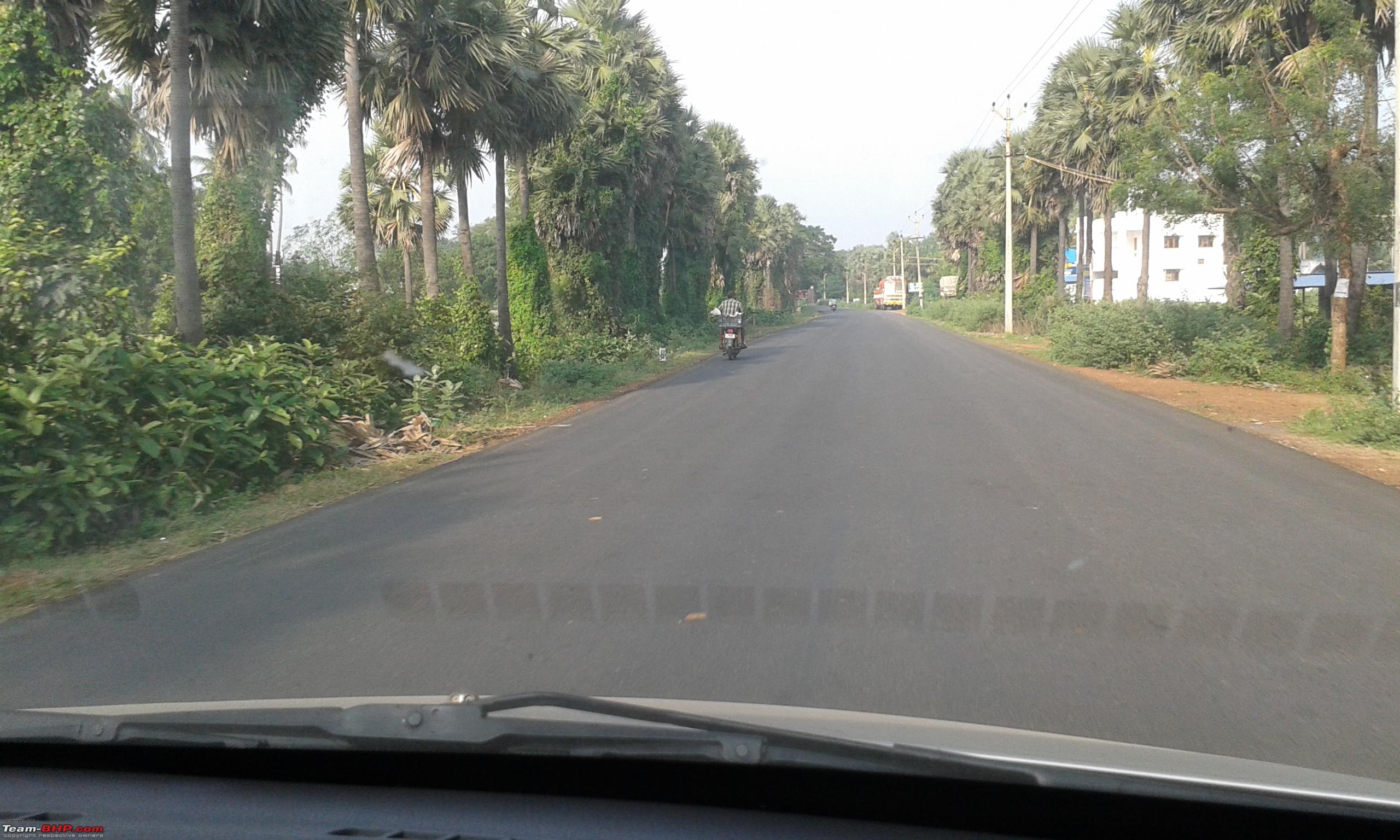
An emerging pattern of motorists opting for alternative road corridors between Kumbakonam and Chennai is drawing attention to uneven highway quality and gaps in regional connectivity, particularly as traffic volumes increase across Tamil Nadu’s economic belt.
While secondary routes are helping bypass congestion, inconsistent infrastructure conditions are raising concerns about travel efficiency, safety, and long-term planning.The growing reliance on a Kumbakonam Chennai alternate route reflects a wider shift in commuter behaviour. With arterial highways frequently witnessing bottlenecks due to construction, toll congestion, or heavy freight movement, drivers are increasingly experimenting with less conventional paths.However, these routes often lack uniform road quality, signage, and support infrastructure such as fuel stations and rest facilities.Transport experts say this trend highlights structural imbalances in how road networks are developed. While major national highways receive significant investment and upgrades, connecting corridors and feeder roads lag behind. This creates a fragmented mobility system where users must trade off between shorter distances and better road conditions.Officials familiar with state highway planning indicate that traffic redistribution onto secondary roads was not originally anticipated at current volumes. As a result, many stretches now face accelerated wear and tear, leading to uneven surfaces, reduced safety margins, and longer travel times despite shorter distances on paper.
From an urban development standpoint, the Kumbakonam Chennai alternate route underscores the importance of integrated regional planning. Cities like Chennai depend on hinterland connectivity for economic activity, including logistics, tourism, and labour mobility. Poorly maintained alternative routes can disrupt these flows, impacting both urban markets and rural economies.There are also environmental implications. Frequent detours, stop-start driving conditions, and longer travel durations contribute to higher fuel consumption and emissions. In the absence of well-designed bypasses or ring roads, traffic spills into smaller towns and villages, affecting local air quality and road safety.
Urban planners argue that addressing these challenges requires a shift from corridor-based development to network-based planning. Instead of focusing solely on primary highways, authorities may need to upgrade secondary routes to consistent standards, ensuring resilience and redundancy in the system. This includes better road engineering, drainage, lighting, and digital navigation support.For commuters, the experience remains mixed. While alternative routes offer temporary relief from congestion, unpredictability in road conditions and travel time reduces reliability. Logistics operators, in particular, face higher operational risks when route consistency cannot be guaranteed.Looking ahead, the increasing use of the Kumbakonam Chennai alternate route could act as an early signal for policymakers.
Strengthening regional connectivity, improving last-mile infrastructure, and building climate-resilient road systems will be critical as travel demand continues to rise. Without coordinated upgrades, such alternative corridors may remain stopgap solutions rather than viable long-term mobility options.
Also Read:Kolkata Restaurant Fuel Shift Toward PNG Gains Pace
