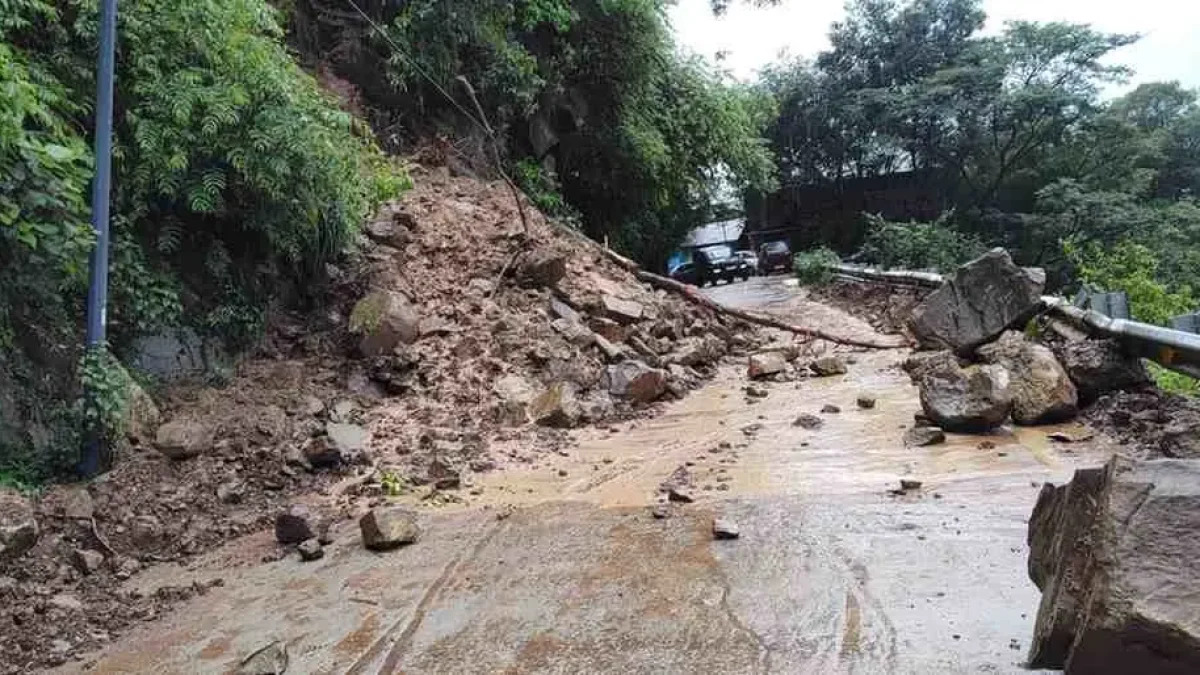
Kullu Manali Highway Faces Disruptions Due To Landslides Traffic And Infrastructure Gaps
The vital Kiratpur-Manali highway is experiencing a crisis, with frequent landslides and traffic disruptions transforming a critical lifeline into a source of peril. The 197-km stretch, crucial for connectivity to the upper Himalayas and beyond, has been blocked an alarming 22 times in just 52 days this monsoon season. This repeated chaos has not only stranded thousands of commuters and tourists but has also resulted in significant economic losses for local communities, sparking widespread anger and a demand for accountability from the national authority responsible for the project.
Local officials and affected citizens describe a harrowing scenario where the highway is a constant threat. The blockages, some lasting for days, have had a devastating impact on the region’s economy, with farmers and traders suffering immense losses as their perishable goods, particularly vegetables, rot in transit. This recurring disruption highlights a glaring vulnerability in a crucial supply chain. The human toll is even more severe, as the highway has become dangerously prone to rockfalls and landslides, tragically claiming lives and injuring several people over the past few years. Commuters now travel with the constant fear of being caught in a falling boulder incident.
Environmental experts and geologists are unequivocal in their assessment, attributing the recurring disasters to the flawed methodology used during the highway’s expansion. They point to the “unscientific” and steep vertical cutting of the fragile Himalayan hills as the primary cause of instability. A noted environmentalist commented that while there were hardly any landslides on this road historically, the current road-widening methods have “created a mess.” The illegal dumping of excavated muck and debris into the Beas river and its tributaries has further exacerbated the risk of flash floods and environmental damage. The lack of proper drainage systems and the use of sub-standard materials have compounded the problem, creating a network of vulnerable points that collapse with the slightest rainfall.
The crisis extends beyond the highway itself to the communities living in its shadow. Reports from several villages along the route indicate that land is sinking and houses are developing cracks, threatening the homes and livelihoods of dozens of families. Community leaders and local activists have demanded compensation and relocation for those affected, but their pleas have reportedly gone unanswered. This showcases a clear disconnect between large-scale infrastructure ambitions and the equitable, human-centric approach necessary for sustainable development in sensitive ecosystems.
In a region increasingly vulnerable to the impacts of climate change, the situation on the Kullu-Manali highway is a powerful reminder that progress at the cost of the environment is unsustainable. This is not merely a problem of monsoon showers; it is a systemic failure of planning and execution. The solution lies in a fundamental shift towards a more resilient and ecologically responsible approach to infrastructure development, one that prioritizes the safety of citizens and the health of the planet over speed of completion. Accountability must be fixed and a sustainable path forward must be charted to prevent a permanent disaster in Himachal Pradesh.