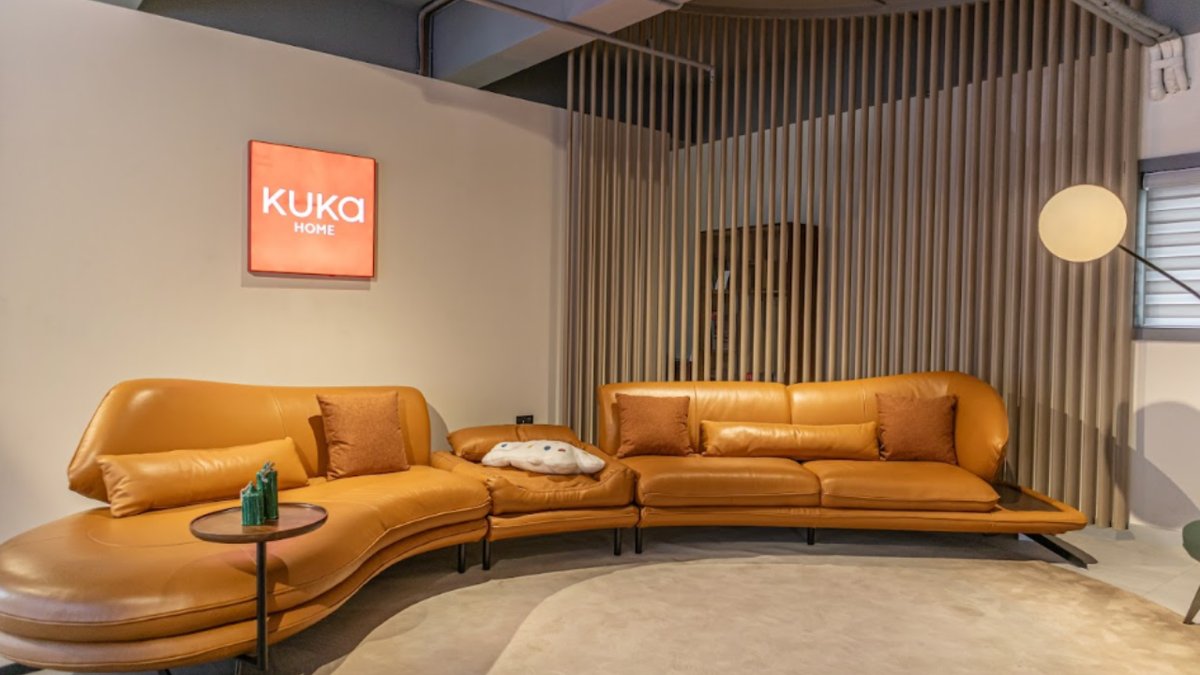
KUKA Home India Push Expands Smart Furniture Market
India’s premium home interiors market is entering a new phase of technology integration, with KUKA Home expanding its intelligent furniture portfolio as part of a broader push into emerging urban markets, including India.The company recently unveiled its Spring 2026 flagship collection of smart furniture, showcasing a range of products designed to integrate comfort, automation, and health-focused features within everyday living spaces. While the launch took place internationally, the brand’s ongoing expansion into India signals growing alignment with the country’s evolving housing and lifestyle preferences.
The new lineup includes AI-enabled mattresses, smart sofas, recliners, and beds equipped with embedded sensors, adaptive cushioning systems, and app-based controls. These products are designed to respond dynamically to user behaviour—adjusting posture, pressure, and comfort settings in real time—reflecting a shift from static furniture to responsive living systems. For India’s urban housing market, this signals a deeper transition. As cities become more compact and lifestyles more digitally integrated, demand is rising for multifunctional and intelligent interiors that enhance comfort without increasing spatial footprint. Smart furniture, which combines design with embedded technology, is emerging as a key component of this evolution.Industry experts note that the move by KUKA Home aligns with a broader global trend towards “whole-home solutions,” where furniture, layout, and technology are integrated into a cohesive system. In India, this is particularly relevant in metropolitan regions where consumers are increasingly prioritising convenience, health, and personalised living environments.
The product range also reflects growing consumer interest in wellness-oriented design. Features such as posture correction, massage functions, and air quality-friendly materials indicate a convergence between furniture and health technology—an area gaining traction in premium housing segments.From an infrastructure and urban development perspective, the rise of intelligent interiors is closely tied to the concept of smart cities. As digital ecosystems expand—from connected homes to data-driven urban services—the integration of smart devices within residential spaces is becoming more seamless. Furniture is now part of this ecosystem, contributing to energy efficiency, space optimisation, and improved quality of life.The company’s global expansion strategy includes strengthening its retail and distribution presence in India, alongside other Asian markets. KUKA Home is investing in localised supply chains and showroom networks to cater to region-specific preferences, reflecting the importance of adapting global design trends to local contexts. However, the adoption of smart furniture in India is still at an early stage. High price points and limited awareness remain barriers, particularly outside premium segments. Experts suggest that as technology matures and becomes more cost-effective, such products could gradually penetrate mid-income housing markets.
There are also sustainability considerations. While smart furniture enhances comfort and efficiency, its environmental impact will depend on material choices, energy consumption, and product lifecycle management. Manufacturers are increasingly focusing on durable, recyclable materials to align with global sustainability goals.As India’s housing market evolves, the expansion of companies like KUKA Home highlights a broader transformation in the built environment—where interiors are no longer passive elements, but active, responsive systems designed to improve everyday living.