


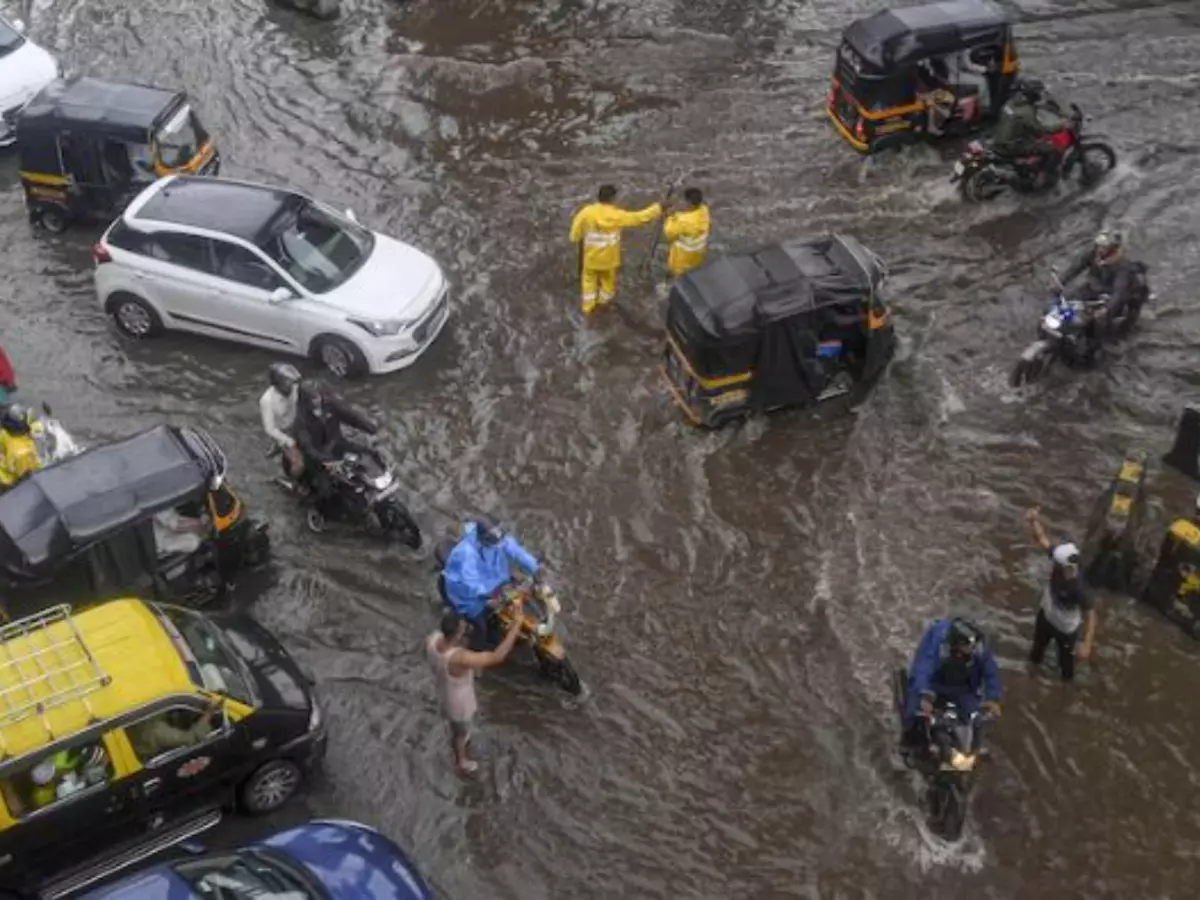
The Konkan region, spanning Raigad, Ratnagiri, and Sindhudurg districts, has been battered by intense rainfall since Sunday night, leading to widespread flooding, landslides, and severe disruptions on the Mumbai-Goa Highway—one of western India’s most critical transport corridors. A landslide at Kashedi Ghat in Ratnagiri has blocked the highway, stranding vehicles and choking the flow of goods and passengers between Maharashtra’s financial capital and the coastal state of Goa. With over 117 mm of rain recorded in some areas, rivers have breached their banks, inundating villages and forcing local administrations to close schools and suspend trekking activities at heritage sites such as Raigad Fort until mid-August.
The impact on daily life has been immediate and acute. In Sindhudurg’s Avalegaon village, 239 mm of rain fell in a single day, while Panvel in Raigad district saw such heavy downpours that temporary shelters were set up for displaced residents. The relentless rain has not only disrupted road travel but also affected rail services, with Central Railway reporting disruptions due to a tilted overhead equipment pole between Vasind and Khadavli, leading to the short-termination and diversion of several local trains. Rescue operations by the National Disaster Response Force (NDRF) are ongoing in Thane and Palghar districts, where rising waters trapped over 150 people in a resort and 24 agricultural workers in fields, underscoring the human cost of the deluge.
The Mumbai-Goa Highway’s vulnerability to monsoon fury is not new, but this year’s events have laid bare the persistent challenges of maintaining all-weather connectivity in a region prone to landslides and flash floods. The highway’s service roads, already riddled with potholes from earlier rains, have become virtually impassable in stretches like Lonere, where construction debris and poor drainage have turned thoroughfares into hazardous pools of water and mud. Temporary gravel patches have proven inadequate, and the repeated cycle of damage and repair highlights systemic weaknesses in infrastructure maintenance and monsoon preparedness.
Meteorological officials have issued an orange alert for Thane, Mumbai, Raigad, and Ratnagiri, warning of further heavy showers and the potential for additional landslides in the ghat regions of Pune and Satara. The forecast suggests that the situation could worsen before it improves, with the risk of more road closures and evacuations if the rains persist. The cascading effect on local economies—particularly agriculture, fisheries, and tourism—is significant, as flooded fields, submerged resorts, and stranded tourists compound losses from an already challenging pandemic recovery.
From a broader urban resilience perspective, the recurring disruptions on the Mumbai-Goa Highway raise urgent questions about the region’s adaptation to climate change and the need for sustainable, equitable infrastructure solutions. While the under-construction Konkan Expressway promises faster, safer travel in the future, its completion remains years away, and the existing highway must bear the brunt of monsoon stress in the interim. Experts argue that investments in robust drainage, slope stabilisation, and early warning systems are essential to reducing the human and economic toll of such events.
For now, the focus remains on rescue and relief, with authorities urging residents to avoid non-essential travel and stay informed through official channels. The NDRF’s swift response in Thane and Palghar is a reminder of the critical role of disaster management in saving lives, but the larger lesson is one of systemic vulnerability. As the Konkan region grapples with the immediate aftermath of this monsoon spell, the imperative for long-term, climate-resilient planning has never been clearer. The road to recovery will be long, but the urgency to build a Konkan that can weather future storms is undeniable.
Also Read : Northeast India Poised As Trade Hub With Kaladan Project Operational By 2027
