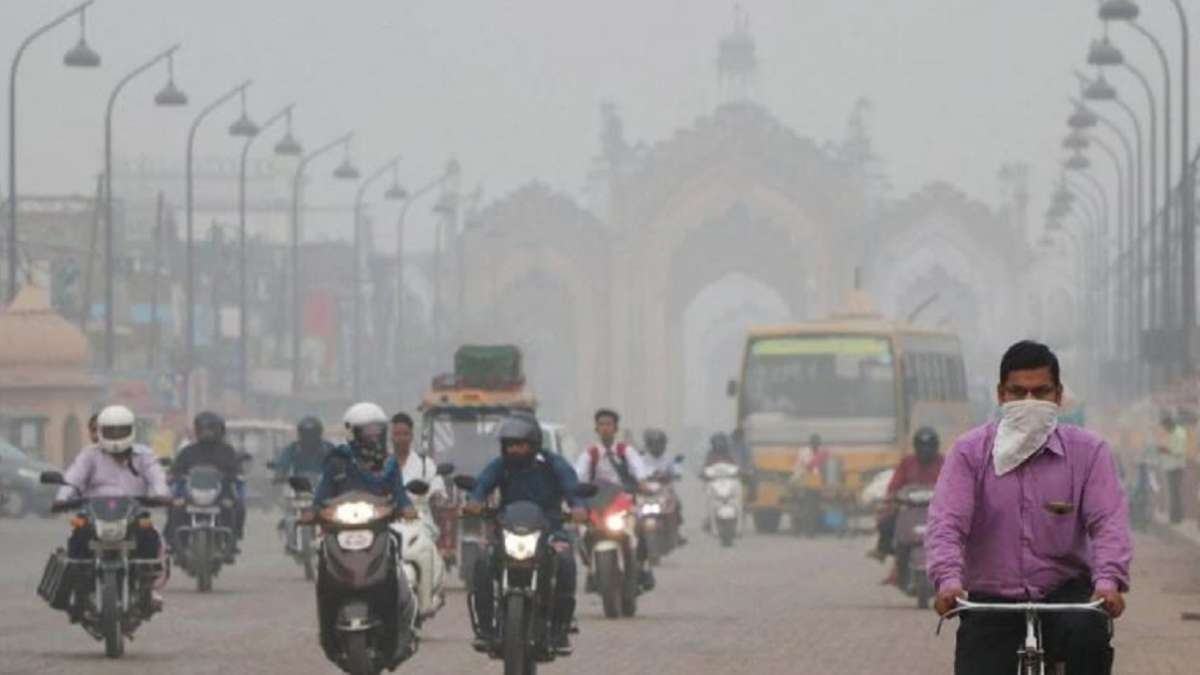
Kolkata began Thursday with bright winter sunshine and mild daytime warmth, offering visual relief after days of haze. Yet beneath the clear skies, the city continues to grapple with stressed urban air, highlighting the widening gap between pleasant weather conditions and environmental health in one of India’s most densely built metros. Meteorological data indicates a cool morning transitioning into a comfortable afternoon, with temperatures climbing from the low teens to the mid-twenties.
The absence of cloud cover and rainfall provides stable conditions for outdoor movement, construction activity, and logistics across the city. For households and businesses alike, such predictable winter weather supports daily routines and short-term planning, particularly in sectors reliant on outdoor labour and transport efficiency. However, urban air quality remains a significant constraint. Monitoring trends suggest that particulate pollution levels remain elevated after several stagnant winter mornings. Fine particles, often produced by vehicle emissions, construction dust, and incomplete combustion, continue to linger close to ground level during early hours. Environmental analysts note that clear winter nights frequently trap pollutants, delaying dispersion until later in the day when sunlight and light winds improve atmospheric mixing.
This disconnect between blue skies and unhealthy air has direct implications for public health and urban productivity. Medical practitioners and planners consistently flag that prolonged exposure to high particulate matter affects respiratory health, workplace attendance, and overall quality of life, particularly for children, older residents, and those working outdoors. For a city undergoing steady real estate redevelopment and infrastructure renewal, sustained pollution also raises questions about construction practices, traffic management, and last-mile connectivity.
Wind conditions through the day are expected to remain moderate, aiding partial dispersion by late morning and afternoon. Urban climate specialists often describe this window as the most viable period for outdoor activity, especially in winter. Still, commuters navigating arterial roads and high-traffic corridors face disproportionate exposure, underlining the uneven distribution of environmental risk across neighbourhoods. Looking ahead, forecasts point to a gradual warming trend over the coming days, with daytime highs moving closer to early-summer thresholds. While warmer temperatures may enhance air movement, they also increase energy demand and strain water and transport systems if not managed efficiently. For city authorities, the pattern reinforces the importance of integrating weather forecasting with air-quality response measures, such as traffic flow adjustments and dust control at construction sites.
For residents, today’s conditions encapsulate a broader urban reality: Kolkata weather AQI dynamics increasingly shape daily decisions, from commute timing to outdoor recreation. As the city continues to expand vertically and economically, aligning clean-air strategies with climate-resilient urban planning will be critical to ensuring that clear skies translate into healthier, more liveable neighbourhoods. The coming weeks will test whether seasonal warmth brings meaningful improvement or simply masks deeper environmental challenges.
Kolkata Winter Sun Persists As Air Quality Struggles