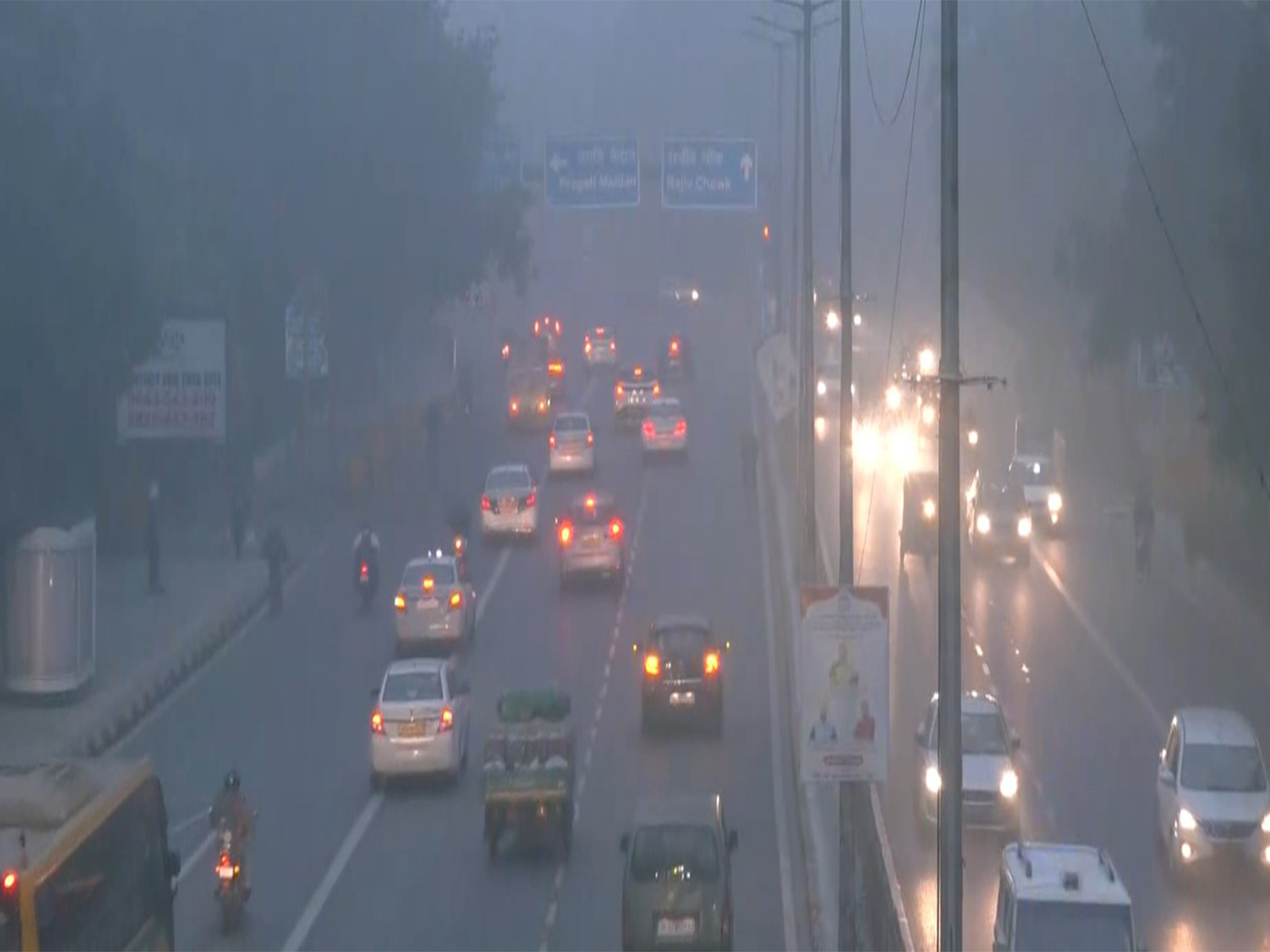
Kolkata experienced an unusually cold start to the week as daytime temperatures dropped sharply, intensifying winter discomfort across the city and catching residents off guard. With the afternoon temperature settling well below seasonal norms, the chill extended beyond early mornings and late nights, affecting schools, informal workers and daily commerce, and highlighting how weather variability increasingly intersects with urban resilience.
Meteorological data shows that the city’s maximum temperature fell to levels rarely seen during daylight hours in early January, while the overnight minimum also trended below long-term averages. Weather officials clarified that the conditions did not meet the technical definition of a cold wave, which is assessed primarily through night-time temperatures. However, the sustained drop in daytime warmth amplified the perception of severe cold, particularly as strong northwesterly winds swept through the region.
Urban climate experts note that such episodes, though not extreme by national standards, have disproportionate impacts on dense, humid cities like Kolkata, where housing stock and public infrastructure are not designed for prolonged cold. Informal settlements, street vendors and daily wage workers were among the most affected, as outdoor activity slowed and energy needs rose. Increased use of small fires and temporary heating sources, despite safety restrictions, reflected gaps in cold-weather preparedness at the neighbourhood level.
The cold spell coincided with the reopening of schools after the winter break, forcing families to adapt quickly. Morning commutes saw children and elderly residents bundled in layers, while demand surged for hot beverages and street-side food, offering a brief boost to local vendors even as overall footfall declined in other sectors.
Beyond the city, several districts in southern Bengal recorded single-digit night temperatures, while hill regions reported near-freezing conditions. Northern districts also experienced dense fog, disrupting visibility and delaying transport services. Meteorologists attributed the conditions to cold surface winds combined with moisture from a departing western disturbance, creating temperature inversions that trapped cool air near the ground and reduced daytime heating. From an urban planning perspective, the episode underscores the need for cities to plan not just for heatwaves and flooding, but also for cold stress particularly as climate variability increases. Planners and public health experts argue that adaptive measures such as improved shelter design, community warming spaces and early warning communication systems can help mitigate the social impact of sudden temperature swings.
Forecasts suggest that while night-time temperatures may dip further in the short term, daytime conditions are expected to stabilise gradually later in the week. Even so, the recent chill has prompted renewed discussion around how Indian cities like Kolkata can better anticipate and respond to less frequent but disruptive weather patterns. As climate resilience becomes a core component of urban governance, episodic cold spells though often overlooked serve as reminders that inclusive, people-first planning must account for both ends of the temperature spectrum to protect livelihoods, health and everyday urban life.
Kolkata Winter Chill Disrupts Daily City Life