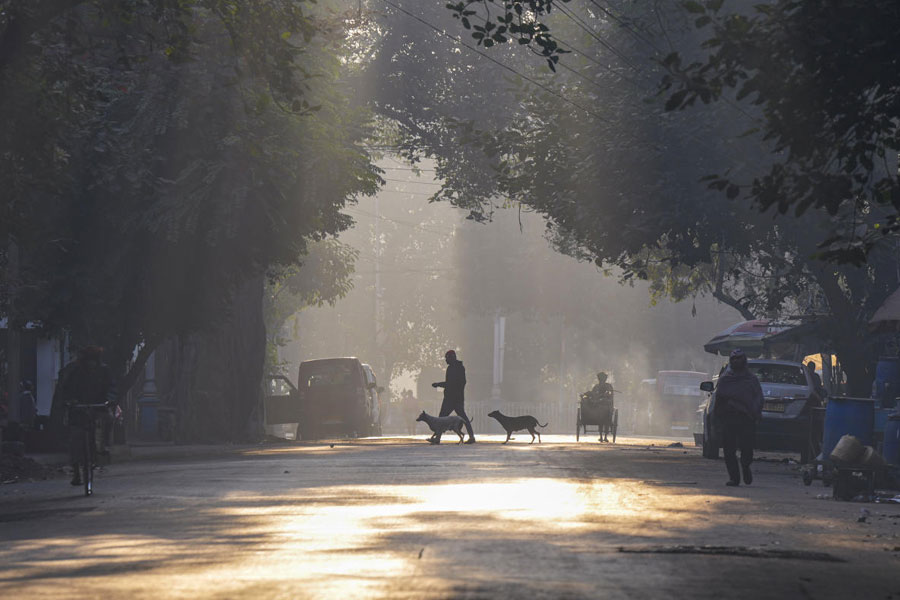
Kolkata is heading into a warmer and drier phase next week, with the maximum temperature expected to touch 32°C and night-time readings climbing past 21°C, according to the latest Kolkata temperature forecast issued by the regional weather office. The shift marks a decisive transition from mild winter conditions to early pre-summer warmth, with implications for urban energy demand, public health, and civic services. Clear skies are expected to dominate the coming days, ending any lingering winter chill in the city. Meteorological officials indicate that minimum temperatures are likely to cross the 20°C threshold at night for the first time this season. The absence of rainfall signals the beginning of a dry spell that could persist across much of southern West Bengal.
Urban planners say such temperature swings are becoming more pronounced in dense metropolitan regions. Rising daytime heat, combined with relatively warm nights, reduces the cooling relief that cities traditionally receive after sunset. In compact neighbourhoods with high concrete density and limited tree cover, the so-called “urban heat island” effect can amplify discomfort levels beyond official readings. While Kolkata prepares for warmer days, northern districts of West Bengal continue to experience winter-like conditions. Hill areas such as Darjeeling and Kalimpong are recording single-digit morning temperatures, with fog and steady patterns expected to continue over the next week. This stark regional contrast underscores the climatic diversity within the state.
In western districts like Paschim Bardhaman, isolated gusty winds have accompanied the prevailing dry conditions. However, no widespread weather disturbances are anticipated. For agriculture-dependent pockets, extended dry spells at this time of year may influence soil moisture and cropping cycles if prolonged. From a civic management perspective, an extended dry period combined with rising temperatures typically triggers higher electricity consumption, especially as households gradually turn to cooling appliances. Urban utilities often witness a steady rise in peak load demand during such transitional weeks. Experts note that better building design, passive ventilation, and increased urban greenery can mitigate some of these seasonal stresses.
Public health specialists also caution that fluctuating day-night temperatures may lead to seasonal respiratory discomfort, particularly among children and the elderly. Preventive advisories often focus on hydration and gradual adaptation to changing conditions. The current Kolkata temperature forecast suggests stability rather than volatility, but climate analysts argue that cities must prepare for sharper extremes in the coming decades. As metropolitan regions expand and built-up surfaces increase, heat management will become central to sustainable urban planning. For now, residents can expect bright skies and steadily warming afternoons an early signal that winter is giving way to a longer, drier stretch typical of late February in eastern India.