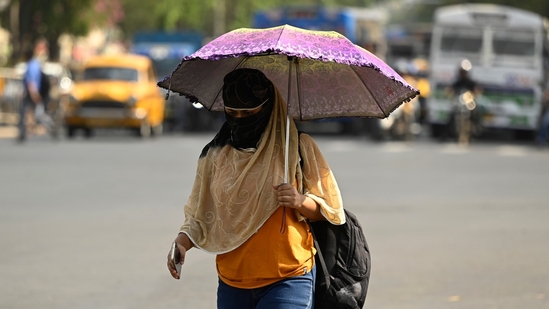
Kolkata is heading into an extended stretch of elevated temperatures and dry skies, with the India Meteorological Department forecasting little relief over the coming week. The outlook, issued by the Regional Meteorological Centre in Alipore, indicates that maximum temperatures will hover around 32–33°C, reinforcing early signs of seasonal heat stress across the city and adjoining districts of South Bengal. The current Kolkata heatwave alert comes at a time when residents have just transitioned out of winter comfort. Afternoon readings have already edged above normal levels, while morning temperatures remain relatively mild. Officials indicate that the sky will remain largely clear, allowing direct solar radiation to push up daytime heat accumulation across dense neighbourhoods.
For a city marked by high humidity later in the year, dry heat in early March presents a distinct urban challenge. Concrete-heavy zones, limited tree cover in several growth corridors, and rising vehicular emissions intensify what planners describe as the “urban heat island effect”. While current readings are not extreme by peak summer standards, sustained dry conditions increase heat retention in built-up areas, affecting productivity and outdoor economic activity. Small businesses and informal workers are among the first to feel the impact. Street vendors, construction labourers and delivery workers often adjust working hours when daytime heat intensifies. Urban economists note that even a marginal rise in maximum temperatures can reduce outdoor footfall in commercial districts during mid-day hours, influencing retail and service demand.
The weekly bulletin for South Bengal confirms that rainfall is unlikely during the next seven days. Meteorologists say there is no active weather system forming over the Bay of Bengal that could trigger convective showers. In practical terms, this means water demand will rise steadily across households and commercial establishments, particularly in high-density residential pockets. Urban planners argue that episodes such as this reinforce the need for climate-resilient design. Heat-mitigating surfaces, shaded pedestrian infrastructure, reflective roofing and neighbourhood-level water conservation systems are increasingly critical for eastern Indian metros. With Kolkata’s real estate expansion moving toward peripheral zones, integrating passive cooling measures into housing layouts is becoming both a market and sustainability imperative.
Public health officials typically advise hydration, staggered outdoor schedules and caution for the elderly during prolonged hot spells. While early mornings remain comparatively comfortable, temperatures escalate quickly once the sun strengthens, narrowing safe outdoor windows. If the Kolkata heatwave alert persists into late March, energy consumption for cooling could climb sharply, placing additional demand on distribution networks. For a city balancing growth with environmental pressures, the coming week will serve as another reminder that climate variability is no longer a distant concern but a daily urban management issue.