


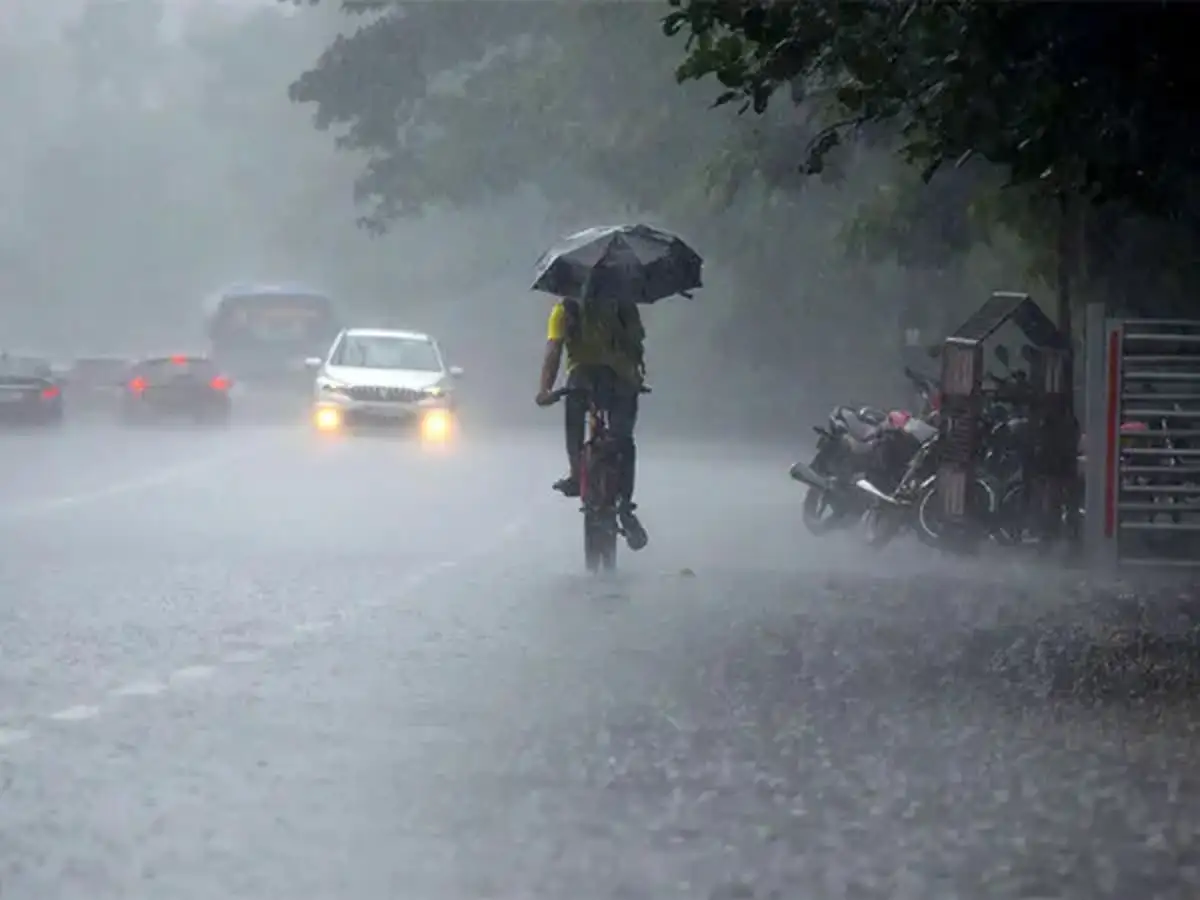
A volatile Kolkata weather pattern marked by recent thunderstorms followed by an expected return of rain later this week is underscoring the growing complexity of climate behaviour in eastern India’s urban centres.
While brief storm activity has provided short-term relief from heat, forecasts indicate a rapid shift back to humid conditions and intermittent rainfall, highlighting the unpredictability shaping city life.Meteorological trends suggest that Kolkata is transitioning from a storm-driven cooling phase to a warmer, moisture-laden period, with rainfall likely to reappear midweek. Such fluctuations are increasingly common during pre-monsoon months, where atmospheric instability triggers alternating cycles of heat and intense but short-lived precipitation.Urban planners warn that this evolving Kolkata weather pattern poses significant challenges for infrastructure systems that are often designed around more stable seasonal expectations. Sudden downpours, even if brief, can overwhelm drainage networks, particularly in older parts of the city where stormwater systems remain under-capacity.Recent storm activity across south Bengal has already demonstrated the disruptive potential of such events, including temporary cooling followed by rapid temperature spikes as weather systems dissipate. This cyclical stress on infrastructure — from waterlogging risks to increased energy demand for cooling — is becoming a defining feature of urban climate management.Mobility is another critical concern. Rainfall episodes during peak hours can significantly slow traffic movement, reduce pedestrian accessibility, and increase accident risks.
In dense commercial zones, even moderate precipitation can disrupt daily economic activity, affecting both formal businesses and informal sectors that rely on street-level operations.The implications extend beyond immediate disruptions. Climate experts note that repeated exposure to fluctuating weather conditions can accelerate wear and tear on urban infrastructure, from road surfaces to electrical systems. This increases maintenance costs and places additional pressure on municipal budgets.From an environmental perspective, the shifting Kolkata weather pattern reflects broader regional climate variability linked to changing atmospheric conditions over the Bay of Bengal. Increased moisture inflow combined with rising baseline temperatures is contributing to more intense and less predictable weather events. Real estate and urban development stakeholders are also taking note. Weather volatility is influencing building design considerations, including improved drainage, heat-resistant materials, and better ventilation systems. Developers are increasingly factoring in climate resilience as a core component of long-term project viability.At the community level, residents are adapting to these changes through behavioural shifts — from adjusting daily schedules to increased reliance on weather alerts. However, experts emphasise that individual adaptation must be complemented by systemic upgrades in urban planning and governance.
As Kolkata navigates this period of climatic uncertainty, the ability to anticipate and respond to changing weather patterns will be critical. Strengthening infrastructure resilience, improving forecasting integration, and adopting climate-sensitive planning frameworks will determine how effectively the city manages the risks associated with an increasingly unpredictable Kolkata weather pattern.
Also Read:Kolkata New Year Retail Drives Festive Market Growth
