


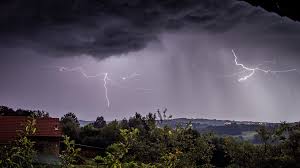
Kolkata and its surrounding districts are bracing for a significant downpour as a cyclonic circulation, a remnant of tropical storm Wipha, is poised to intensify into a low-pressure area over the North Bay of Bengal. This weather system, combined with a strong monsoon trough, promises widespread heavy to very heavy rainfall across West Bengal, potentially exacerbating urban challenges related to heat, humidity, and existing infrastructure. The city experienced a taxing Wednesday with temperatures soaring to 35.2 degrees Celsius, three notches above normal, coupled with a high minimum relative humidity of 62%, contributing to considerable discomfort. This impending weather event underscores the urgent need for resilient urban planning and climate-adaptive strategies for India’s bustling metropolises.
The transformation of tropical storm Wipha, which previously impacted Southeast Asia, into a potent low-pressure system over the Bay of Bengal highlights the far-reaching effects of global weather phenomena. The India Meteorological Department (IMD) forecasts a ‘wet spell’ for Bengal from Thursday to Monday, with Kolkata most likely to experience heavy rain on Friday. Districts such like South 24-Parganas, North 24-Parganas, Jhargram, East Midnapore, West Midnapore, Bankura, Purulia, Howrah, Hooghly, and Kolkata are on high alert, with some regions anticipating ‘very heavy rain’ (7-20cm). Specifically, North and South 24-Parganas and East Midnapore are expected to bear the brunt on Thursday, signaling a critical period for disaster preparedness and urban infrastructure management.
Also Watch: “Mumbai will rock, shine and always be India’s best city to live.” In an exclusive, MHADA CEO Sanjeev Jaiswal (IAS) talks about Mumbai’s enduring charm, livability, and the government’s focus on making it affordable for all
The recurring challenges posed by monsoon rains and tropical systems in Kolkata underscore the imperative for a paradigm shift towards sustainable and eco-friendly urban development. While immediate relief measures are crucial, the focus must also be on long-term solutions that promote flood resilience, equitable access to resources, and gender-inclusive urban spaces. Current initiatives by the Kolkata Municipal Corporation (KMC) in pond revitalization and the development of early flood warning systems are steps in the right direction. However, to truly create a zero-net carbon, sustainable city, comprehensive strategies are required, including the enhancement of drainage infrastructure, promotion of green spaces for water absorption, and community-led initiatives that empower all residents, regardless of gender or socio-economic background, to participate in climate adaptation efforts.
The convergence of climate change impacts and rapid urbanisation demands an integrated approach to city planning. The ongoing monsoon season serves as a potent reminder of the vulnerabilities faced by densely populated areas. By embracing innovative engineering solutions, leveraging natural ecosystems for urban benefits, and fostering community engagement, Kolkata can transition towards a more resilient and liveable future. This includes prioritising infrastructure that can withstand extreme weather events, promoting public transport and cycling to reduce carbon emissions, and ensuring that urban amenities are accessible and safe for everyone, thereby fostering truly equitable and gender-neutral urban landscapes. The path forward lies in proactive, sustainable planning that safeguards both the environment and its inhabitants.
Also Read: Air India Flight AI 2744 Skids Off Mumbai Runway Amid Rain Today
