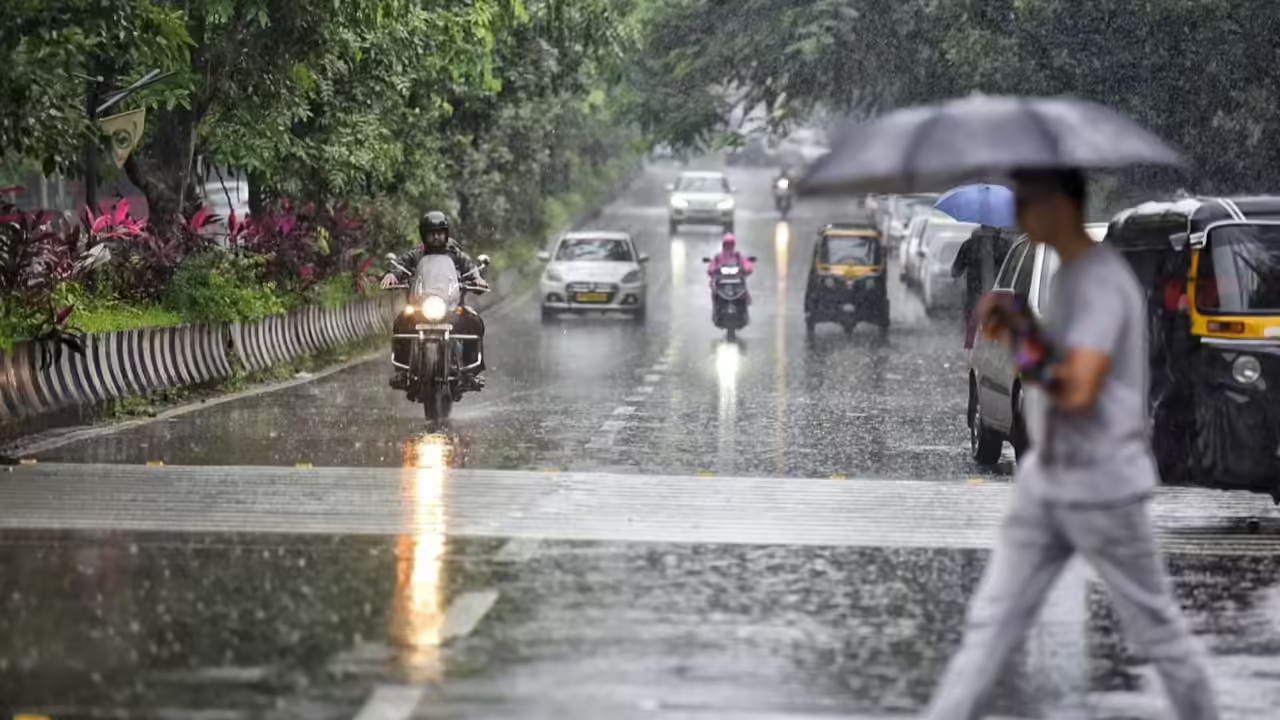
Kolkata is likely to witness a brief spell of pre-summer instability early next week, with light to moderate showers and thunderstorms forecast for February 23 and 24. While not unusual for late winter, the development signals a transitional phase in eastern India’s weather cycle one that carries implications for agriculture, urban drainage preparedness and climate resilience planning.
According to regional meteorological assessments, parts of South Bengal and North Bengal may experience scattered rainfall accompanied by gusty winds. Districts in the southern belt including Jhargram, East and West Medinipur, and the 24 Parganas are expected to see cloud cover and intermittent precipitation. In the northern hills and adjoining plains, Darjeeling, Kalimpong and Jalpaiguri may receive similar showers. For Kolkata, maximum temperatures are projected to hover between 29°C and 31°C over the next two days. While daytime readings remain close to seasonal averages, cloud build-up and passing rain bands could bring marginal relief from afternoon heat. Minimum temperatures across the state are likely to inch upward by about 2°C, underscoring the gradual retreat of winter.
Meteorologists attribute the change to atmospheric disturbances moving across northern India, which often influence eastern regions during this period. Although no heavy rainfall warning has been issued, urban planners note that even moderate pre-monsoon showers test localised drainage in dense neighbourhoods. The city’s expanding built environment, combined with reduced permeable surfaces, has increased sensitivity to short-duration rainfall events. Beyond the metropolitan core, the rainfall forecast carries economic weight. The potato harvest season is currently underway in several districts of West Bengal. Agricultural officers have advised growers to protect freshly harvested produce from moisture exposure, as excess dampness can accelerate spoilage and affect storage quality. Even a short spell of rain during harvest windows can disrupt rural supply chains that feed wholesale markets in Kolkata and other cities.
The episode also highlights the increasing variability of seasonal transitions. Urban climate specialists point out that eastern Indian cities are experiencing more erratic shifts between winter and summer, complicating energy demand forecasting and water management planning. Warmer nights coupled with sporadic rainfall can influence cooling loads in residential and commercial buildings, adding pressure to power distribution systems. While the coming showers are not expected to be intense, they serve as a reminder of the need for climate-responsive infrastructure from resilient urban drainage to better post-harvest storage facilities. As Kolkata moves toward the hotter months, adaptive planning across both city and countryside will determine how smoothly the region navigates these increasingly fluid seasonal boundaries.