


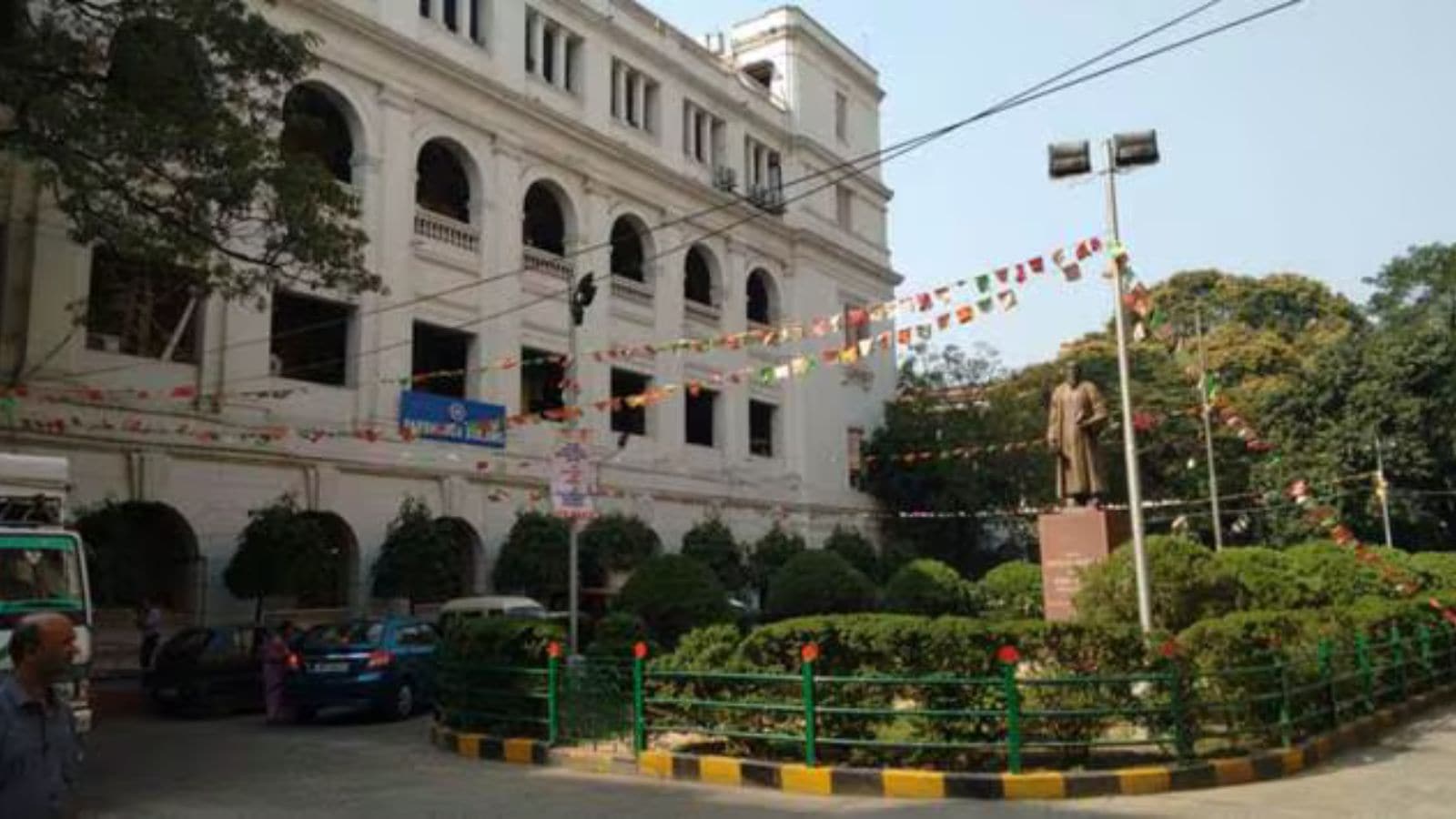
A decision to defer undergraduate semester examinations scheduled after mid-April has introduced fresh uncertainty into Kolkata’s academic calendar, affecting thousands of first-year students and raising broader concerns around institutional preparedness and student mobility.
The move by University of Calcutta comes at a critical juncture in the academic cycle, where timely assessments are closely linked to progression, admissions, and workforce entry.The Kolkata university exam delay is expected to ripple across colleges affiliated with the institution, many of which are already navigating tight teaching schedules and administrative transitions.According to academic officials, the postponement is linked to logistical and administrative constraints, though no immediate revised timeline has been formally standardised across departments. This lack of clarity has left students and faculty recalibrating study plans, with many concerned about overlaps with future semesters and competitive examination schedules.From an urban systems perspective, such disruptions extend beyond campuses.Kolkata’s higher education network supports a large commuting population, including students who travel daily from peri-urban and suburban areas. Changes in examination schedules can alter travel demand patterns, impact rental housing cycles, and affect local economies built around student activity—from transport operators to small businesses.Education experts suggest that the Kolkata university exam delay underscores the need for more resilient academic planning frameworks.
As cities expand and student populations grow, universities are increasingly required to integrate digital tools, decentralised scheduling, and contingency mechanisms to maintain continuity. Delays, if prolonged, can create cascading effects on graduation timelines, job placements, and postgraduate admissions.There is also an equity dimension. Students from economically weaker backgrounds—who often rely on fixed timelines to manage part-time work or prepare for competitive exams—are more vulnerable to such disruptions.Uncertainty can translate into financial strain, particularly for those balancing academic commitments with household responsibilities.Faculty members indicate that while deferment may provide short-term administrative relief, it also compresses future teaching and evaluation windows. This could lead to accelerated coursework delivery, potentially affecting learning outcomes if not managed carefully.In the longer term, urban planners and education policymakers point to the need for synchronisation between academic institutions and city infrastructure. Reliable digital communication systems, flexible examination models, and improved coordination between universities and affiliated colleges could help mitigate such disruptions.
For now, students await updated schedules and clearer guidance. The coming weeks will be critical in determining whether the revised timelines can be implemented without further delays, and whether the system can absorb the disruption without compromising academic continuity.
Also Read:Kolkata Shuttle Bus Route Changes Impact Commuters
