


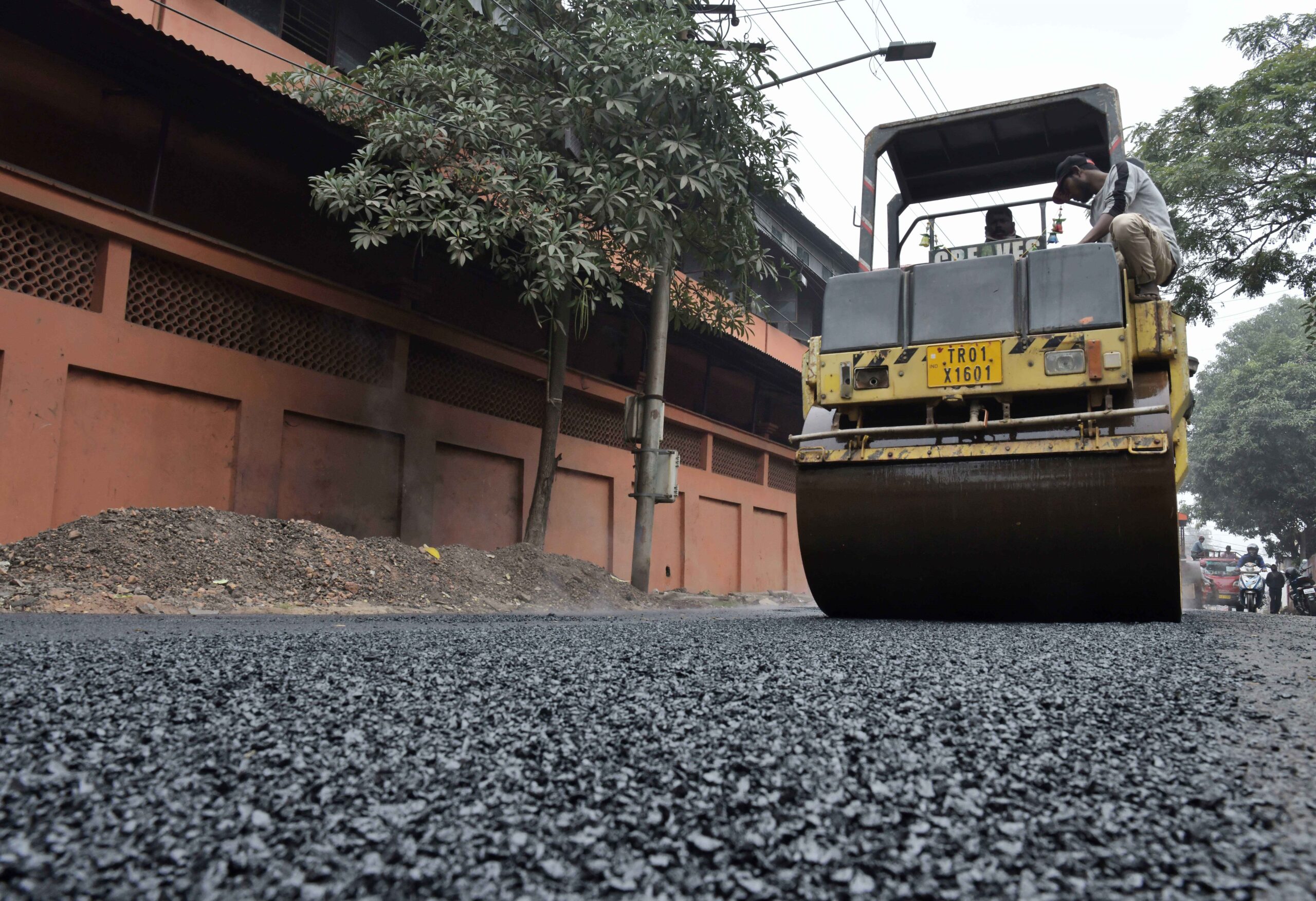
Kolkata turns plastic waste into durable roads
Kolkata is set to take a significant leap in sustainable urban infrastructure with the Kolkata Municipal Corporation (KMC) pushing forward its initiative to integrate recycled plastic into road construction. The move, spearheaded by Mayor Firhad Hakim, aims to tackle the city’s persistent problem of potholes and uneven surfaces while addressing the environmental crisis posed by plastic waste. The civic body has already begun using plastic-infused asphalt on smaller roads, and after successful trials, the model will now be expanded to major arterial routes across the city.
The decision comes after the Mayor himself experienced firsthand the deteriorating conditions of several roads, which he described as a “roller coaster ride” during his daily commute. Frustrated with the state of Kolkata’s roads, he has directed KMC’s roads department to accelerate the restoration process while ensuring a steady supply of plastic granules from the waste management plant at Dhapa. These granules, derived from processed plastic waste, are expected to enhance road durability by preventing water seepage, which is a primary cause of surface degradation. The technique, tested successfully on a stretch in Bakshibagan, Behala, has shown promise in withstanding varying weather conditions, paving the way for its wider adoption.
With urban expansion exerting pressure on Kolkata’s existing road network, the initiative is expected to mitigate the frequent damage caused by monsoons and heavy traffic. The next phase of road restoration will include key stretches such as Chittaranjan Avenue, APC Roy Road, Bidhan Sarani, and College Street, along with major corridors in south Kolkata like Rashbehari Avenue, Gariahat Road, and Gurusaday Dutta Road. The shift towards plastic-mixed roads aligns with global trends in sustainable urban planning, where cities are exploring alternative materials to reduce carbon footprints while enhancing road longevity. A KMC official emphasised that integrating recycled plastic into construction aligns with the broader vision of reducing plastic pollution, creating a circular economy where waste materials are repurposed efficiently.
Kolkata’s experiment with plastic roads holds significant implications for urban sustainability, setting a precedent for other Indian cities grappling with waste management and infrastructural challenges. While concerns persist over long-term performance and potential microplastic pollution, experts believe that with stringent monitoring and improved formulations, such concerns can be mitigated. The project also presents an opportunity to engage the public in waste segregation, as increased demand for recycled plastic may encourage responsible disposal habits. If successfully implemented, the initiative could not only transform Kolkata’s road network but also contribute to a larger shift in India’s approach to sustainable infrastructure development.
