


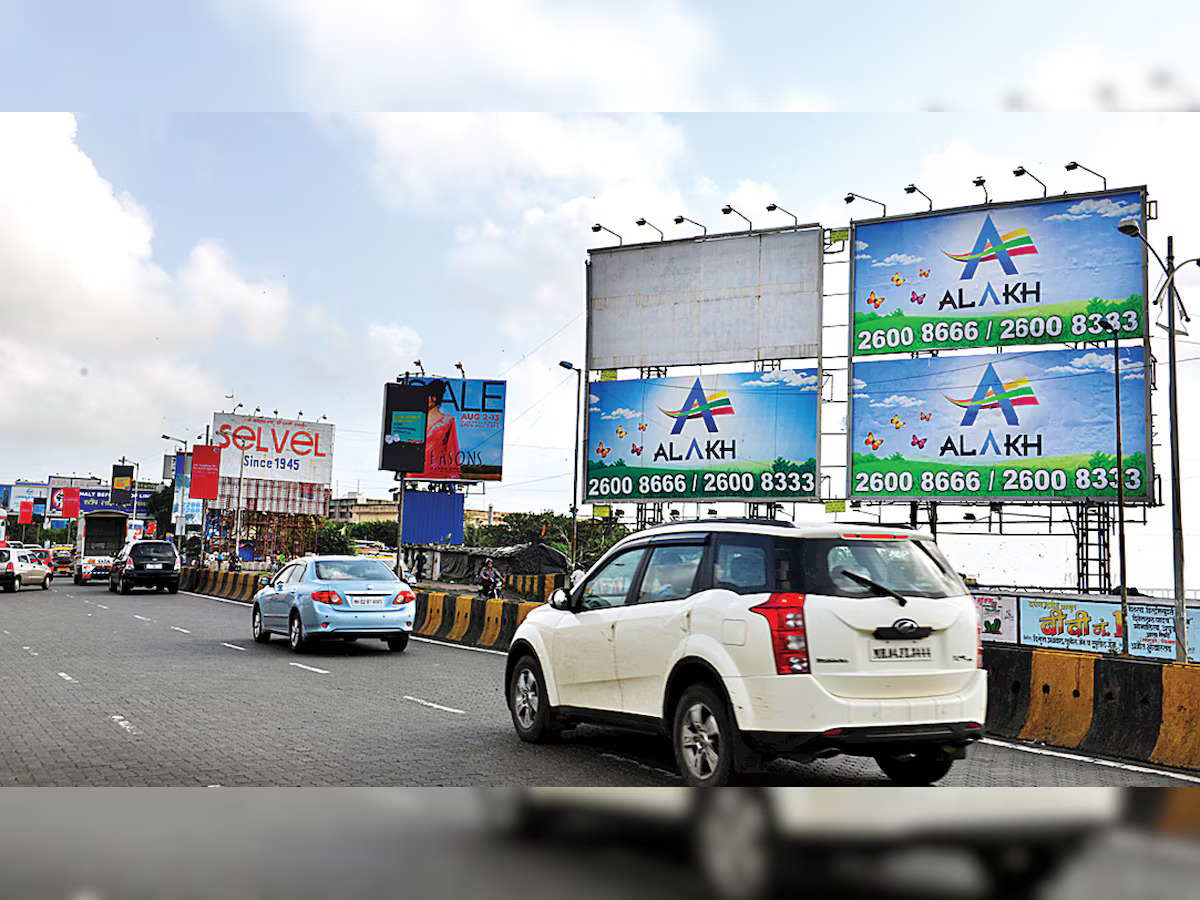
Kolkata is set for a significant urban facelift as the Municipal Corporation intensifies efforts to reduce the overwhelming number of street hoardings across the city.
Officials have announced plans to cut down the existing tally from over 400 to a streamlined 250, aiming to enhance the city’s aesthetic appeal, reduce visual pollution, and improve public safety. This move marks a decisive step towards a cleaner, more sustainable, and orderly urban environment. City officials overseeing advertisement regulation highlighted the dual objectives behind the initiative. Primarily, fewer hoardings will unclutter the streetscape, allowing the city to breathe and reclaim its visual integrity. At the same time, this reduction is projected to enhance the value of remaining advertising spaces, enabling the civic body to increase revenue through a more transparent auction process rather than the traditional tender system.
The auction mechanism represents a strategic pivot designed to foster competition among advertisers. Unlike sealed tenders, auctions allow bidders to openly compete by incrementally raising offers, which is expected to push the market value of advertising rights upward. According to officials managing the process, this method will not only generate better returns for the corporation but also introduce fairness and transparency, reducing chances of underpricing and corruption. Currently, the city hosts more than 400 street hoardings—large display panels situated on pavements and public spaces—and an additional 21 digital hoardings. The widespread presence of these billboards has long been criticised for cluttering urban vistas and contributing to environmental and visual degradation. Compounding the issue is the state of many hoardings, with some exhibiting dangerous signs of wear and neglect such as rusting metal frames and torn advertisements, which pose safety hazards especially during adverse weather.
Beyond the officially counted hoardings, numerous unregulated and illegal structures are scattered throughout Kolkata, complicating enforcement and urban management. Civic sources admit that the true number, including unauthorized hoardings, far exceeds the official count. The Municipal Corporation has been conducting periodic drives to dismantle illegal hoardings, yet these efforts have only partially addressed the issue. The move to cap hoardings and regulate them more strictly aligns with a broader urban sustainability agenda. Visual pollution has become a significant concern in modern Indian cities, impacting mental well-being, urban aesthetics, and environmental quality. By controlling the proliferation of hoardings, Kolkata seeks to enhance not only the city’s visual environment but also pedestrian safety and traffic management.
One notable recent success in monetising public spaces involved auctioning advertising rights on decorative gantries along Park Street, which are primarily used during festive seasons such as Christmas and New Year. Officials reported generating revenue exceeding ₹2 crore by leasing these spaces for ten months, a strategy that optimises assets without compromising public enjoyment during peak festivities. Local governance experts observe that Kolkata’s advertisement policy reform is timely and crucial. The previous ad tendering system often resulted in an excessive number of hoardings placed too close to each other, diluting their effectiveness and causing sensory overload. The new policy, backed by municipal leadership, aims to rationalise this clutter, allowing citizens to experience a visually cleaner and more navigable city.
In addition to improving the city’s aesthetics, the reform could create ripple effects in urban sustainability. Reducing billboard density decreases the energy consumption associated with lighting and maintenance, particularly for digital hoardings, contributing to Kolkata’s broader environmental goals. Moreover, fewer but well-maintained hoardings can ensure safer streets by mitigating risks of structural collapses or accidents during storms. While the plan primarily targets street hoardings installed on pavements and public spaces, questions remain about the regulation of private hoardings fixed on terraces and building walls, which are equally prevalent. As of now, officials have not committed to extending the reduction strategy to these privately held advertisements, leaving a grey area in comprehensive urban visual management.
Residents and urban planners largely welcome the move, recognising the need to reclaim public spaces from excessive commercial clutter. However, the success of this policy will depend on sustained enforcement, clear regulations, and active civic participation to eliminate illegal hoardings comprehensively. Kolkata’s decisive step to reduce street hoardings is a noteworthy stride towards a cleaner, more orderly, and sustainable urban environment. As India’s cities expand rapidly, balancing commercial interests with public welfare and environmental considerations will be vital. The city’s experience could serve as a model for other metropolitan centres grappling with similar challenges of visual pollution and urban clutter.
Ultimately, this policy shift reflects a growing recognition that cityscapes are more than just transit routes—they are living environments where aesthetics, safety, sustainability, and commercial activity must coexist harmoniously for the benefit of all citizens.
Also Read : Pune Ring Road Construction Begins Targeting 2027 Completion
