


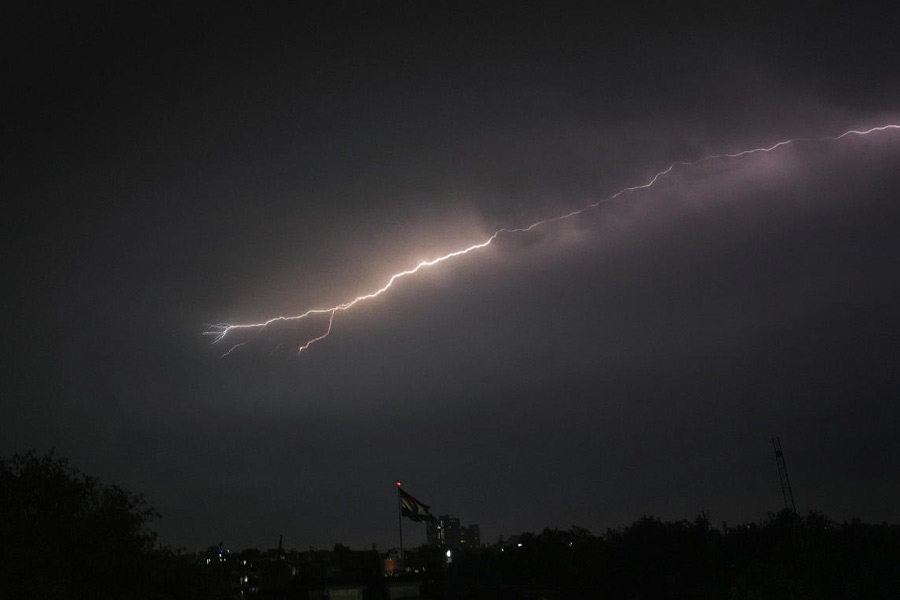
Recurring thunderstorms across Kolkata have continued to disrupt flight operations and strain urban systems, as the city experiences a prolonged spell of volatile pre-monsoon weather.
The third consecutive day of storm activity has impacted both air travel and ground mobility, highlighting the growing challenge of managing climate variability in dense urban environments.Operations at Netaji Subhas Chandra Bose International Airport were affected as adverse weather conditions reduced visibility and forced adjustments to flight schedules. Delays and temporary disruptions underscore the sensitivity of aviation systems to sudden atmospheric changes, particularly during periods of intense thunderstorm activity.The ongoing instability, captured under the Kolkata thunderstorm disruption, reflects a broader pattern of erratic weather increasingly observed across eastern India. Meteorological conditions driven by heat build-up, moisture inflow, and localised wind patterns have contributed to repeated storm events within short intervals.While these storms provide intermittent relief from rising temperatures, their cumulative impact on infrastructure is becoming more pronounced. The Kolkata thunderstorm disruption has led to waterlogging in certain areas, traffic slowdowns, and pressure on civic services tasked with maintaining drainage and clearing debris. Frequent weather interruptions can compound urban stress, especially in areas with ageing infrastructure.Urban planners point out that such repeated events test the resilience of city systems. Transport networks, power supply lines, and drainage systems must be capable of withstanding both sudden and sustained weather shocks.
In Kolkata, where population density and infrastructure constraints intersect, even moderate disruptions can have widespread ripple effects.The economic implications are significant. Flight delays affect business travel and logistics, while disruptions to road networks can impact productivity and supply chains.Informal sector workers, who depend on daily mobility, often face income losses during such periods of instability.From a climate perspective, the frequency of these events aligns with broader concerns about shifting weather patterns linked to climate change. Increasing sea surface temperatures and atmospheric variability are contributing to more intense and less predictable storm activity, particularly in coastal and riverine cities.Experts emphasise the need for adaptive urban planning strategies.Investments in improved stormwater management, resilient power infrastructure, and real-time weather monitoring systems can help cities better anticipate and respond to such conditions.Public communication systems that provide timely alerts can also reduce risk and improve preparedness.Authorities remain on alert as forecasts indicate the possibility of continued weather activity. For Kolkata, the ongoing storms serve as a reminder that resilience is not just about responding to individual events, but about strengthening systems to handle repeated disruptions over time.
As extreme weather becomes more frequent, the city’s ability to maintain continuity in essential services—while safeguarding economic activity and public safety—will be critical in shaping its long-term urban sustainability.
Also Read:Kolkata Wildlife Trafficking Seizure At Airport Raises Alarm
