


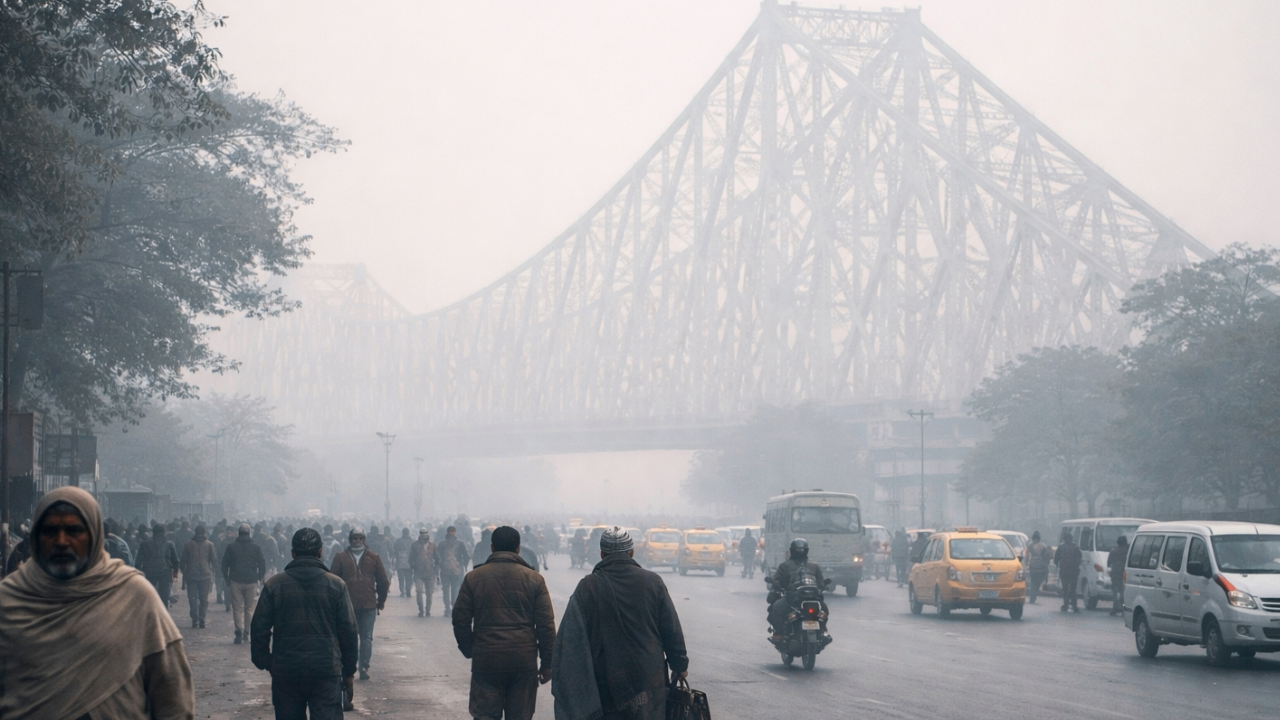
A steady increase in daytime temperatures is forecast across Kolkata over the coming days, signalling the early onset of summer conditions and raising concerns about urban heat exposure in one of India’s most densely populated metros.
The projected Kolkata temperature rise comes at a time when cities are already grappling with climate-linked stress on infrastructure, public health, and energy demand.According to meteorological assessments, maximum temperatures are expected to climb gradually over the next three to four days, accompanied by relatively stable weather patterns and limited chances of rainfall. While the increase may appear incremental, urban planners warn that even moderate spikes can significantly intensify heat discomfort due to the city’s high humidity levels and dense built environment.Experts note that the Kolkata temperature rise is not just a seasonal shift but part of a broader warming trend affecting eastern Indian cities. Concrete-heavy development, shrinking green cover, and limited ventilation corridors have contributed to the urban heat island effect, where city centres record higher temperatures than surrounding rural areas. This has direct implications for vulnerable populations, including outdoor workers, informal settlers, and the elderly.
From an infrastructure perspective, rising temperatures place additional strain on electricity networks as cooling demand surges. Energy utilities often experience peak loads during such periods, increasing the risk of outages or supply instability.
Urban economists point out that this also has a cascading impact on productivity, particularly in sectors dependent on manual labour or non-air-conditioned workspaces.Health systems, too, face seasonal pressure. Public health officials typically prepare for a rise in heat-related illnesses, including dehydration and heat exhaustion. However, the challenge lies in ensuring early awareness and access to cooling spaces, especially in lower-income neighbourhoods where housing conditions may not support thermal comfort.Urban development specialists argue that recurring temperature spikes highlight the urgency of integrating climate-responsive design into city planning. Measures such as reflective roofing, expanded tree cover, and water-sensitive urban design can reduce heat retention. At a policy level, heat action plans—already implemented in several Indian cities—are increasingly seen as essential tools for managing climate risk.The evolving weather pattern also intersects with long-term questions about sustainable growth. As cities like Kolkata expand, balancing real estate development with ecological buffers becomes critical. Without intervention, rising temperatures could reshape how urban spaces are used, from altering commuting patterns to influencing housing preferences.
With forecasts indicating continued warming in the near term, attention is likely to shift towards preparedness and adaptation. For residents and city administrators alike, the immediate focus remains on mitigating discomfort, but the larger challenge lies in building resilience against an intensifying urban climate reality.
Also Read:Kolkata PNG Adoption Gains Focus for Cleaner Energy
