


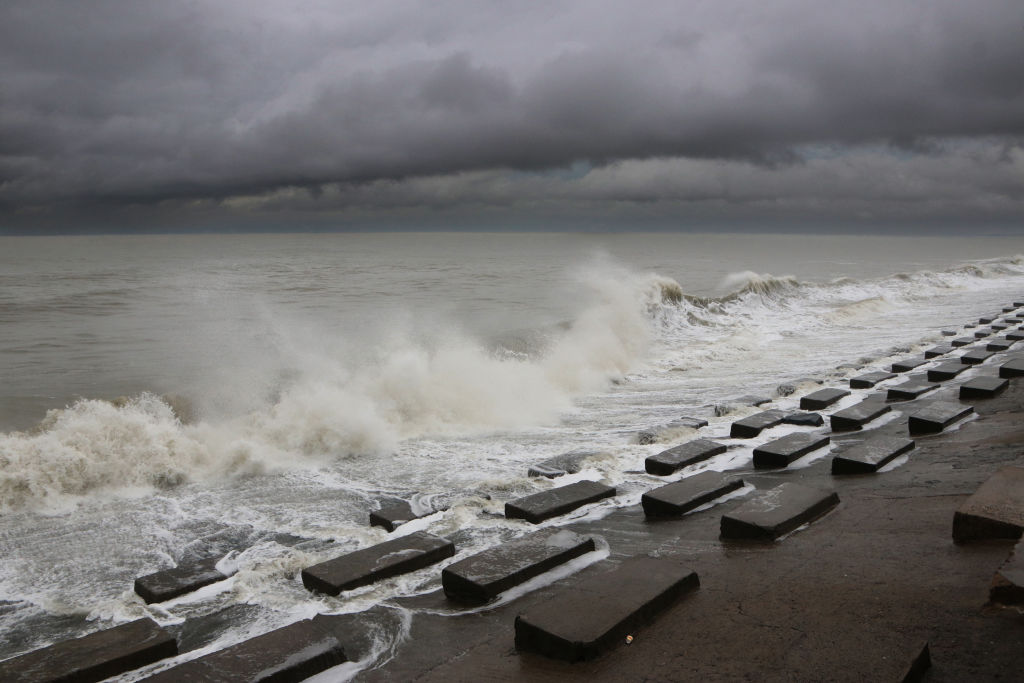
Back-to-back squalls sweeping across Kolkata have disrupted flight operations, uprooted trees, and strained urban infrastructure, underscoring the growing vulnerability of dense cities to extreme weather events.
The sudden storms, accompanied by strong winds and rainfall, triggered widespread disruption across transport and civic systems.The impact of the Kolkata storm disruption was immediately visible at Netaji Subhas Chandra Bose International Airport, where flight schedules were affected due to adverse weather conditions and reduced visibility. On the ground, several arterial roads experienced blockages as fallen trees and debris slowed traffic movement during peak hours.Civic authorities were deployed across affected zones to clear roads and restore normalcy, but the scale of disruption highlights structural challenges in managing climate-linked events.Urban planners note that Kolkata’s ageing tree cover, combined with high-density development and limited open spaces, increases the risk of such incidents during high-wind conditions.Beyond immediate inconvenience, the Kolkata storm disruption points to deeper concerns around infrastructure resilience. Power supply interruptions were reported in multiple areas as overhead lines were affected, raising questions about the pace of underground cabling and grid modernisation.
Similarly, drainage systems faced pressure from sudden downpours, though widespread flooding was limited.Weather experts have indicated that such intense, short-duration storms are becoming more frequent due to changing climatic patterns. For coastal and riverine cities like Kolkata, this trend presents a dual challenge—managing both wind damage and water-related risks within a compressed timeframe.The economic impact is also significant.Flight delays and cancellations affect business travel and logistics, while disruptions to road networks can delay supply chains and reduce productivity. Informal sector workers, who rely on daily mobility, are often the most affected, facing income losses when transport systems falter.From a planning perspective, experts argue that cities must move beyond reactive responses to proactive resilience strategies.This includes regular tree audits, improved stormwater management, and the integration of real-time weather data into urban operations. Investments in resilient infrastructure—such as reinforced power networks and climate-adaptive transport systems—are increasingly seen as essential rather than optional.There is also a growing call for better coordination between meteorological agencies and civic bodies to ensure timely alerts and preparedness measures. Early warning systems, combined with public awareness, can significantly reduce risk and improve response times.
With forecasts indicating the possibility of further weather activity, authorities remain on alert. For Kolkata, the recent events serve as a reminder that climate resilience must be embedded into everyday urban planning. As extreme weather becomes less predictable, the city’s ability to absorb and recover from such shocks will be critical to sustaining economic activity and ensuring citizen safety.
Also Read:Kolkata National Library Partnership Expands Research Access
