


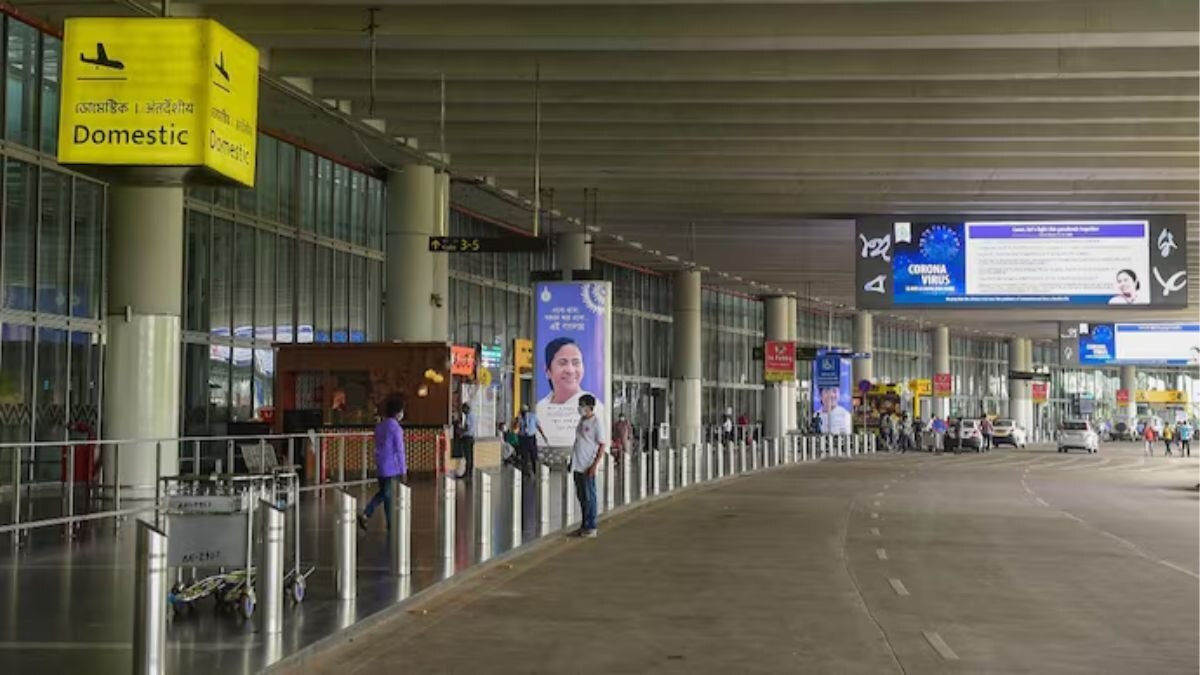
Kolkata has placed an immediate moratorium on new high‑rise constructions within a 20‑kilometre radius of the airport following safety concerns raised after a recent plane crash. The municipal administration has halted permitting of buildings above G+8 levels until aviation authorities offer updated guidelines.
Mayor and Urban Development Minister, speaking at a city‑hall briefing, confirmed orders were issued directing the Building Department to cease clearance issuance for any proposed multi‑storey structures in the airport‑adjacent zone. Existing projects with prior approvals may proceed, but no new applications above eight storeys will be accepted . Four surrounding municipalities—Madhyamgram, Bidhannagar, North Dumdum and South Dumdum—have been given matching instructions to suspend approvals on similar projects. This unified civic policy reflects growing awareness of aviation‑urban interaction risks, particularly as city skylines expand toward flight paths .
Officials revealed that while no formal directive has arrived yet from aviation regulators, precautionary action is likely to be ratified in upcoming notifications. City planners are using this window to reassess urban zoning, safety buffers and compliance with national landing‑zone criteria .Urban design experts welcome the pause, calling it a rare instance of proactive governance. Implementing this “safety‑first moratorium” reflects sustainable, thoughtful growth, especially vital as cities densify near transport hubs. This step aligns with zero‑carbon ambitions and equitable zoning practices that balance urbanisation with public risk mitigation.
“An airport catastrophe can destabilise civic equilibrium,” said a civic‑policy analyst. “By creating a height‑cap buffer, Kolkata signals a shift toward risk‑aware municipal planning.” Short‑term, the moratorium halts speculative high‑rise launches and encourages developers to pivot to mixed‑income or low‑rise green projects that depend less on vertical density and more on sustainable footprints. However, concerns have emerged around affordable housing—heavy building restrictions could reduce supply and push prices upward. Experts suggest zonal incentives like green‑certified mid‑rise housing, co‑housing units and transit‑oriented developments (TODs) may preserve equity goals.
A municipal spokesman assured residents that existing permissions will proceed unimpeded. Structures under the eight‑storey threshold and those approved before Sunday will not be affected. Still, the city has pledged to expedite regulatory processes for compliant projects that adhere to updated safety criteria. Analysts are watching regional real estate impacts. Some expect slowdown in revenue‑driven zoning; others see opportunity to pivot toward climate‑responsive, pedestrian‑friendly developments—especially near Rajarhat and New Town, where airport‑adjacent density has surged.
From infrastructure finance perspectives, land‑value uplift near airports may stall, but long‑term social resilience and public safety gains can reinforce Kolkata’s liveability index. The pause also invites a wider zoning review. Urbanists propose designating flight‑path corridors as green‑buffer zones with parks, carbon sink landscapes and low‑rise public amenities—creating equitable edgelands between airport and city residential zones. Environmental planners warn unchecked vertical sprawl near airports can aggravate wind turbulence, shadow flicker and ecological fragmentation—while low‑rise green zones enhance biodiversity, aid noise buffering, and reinforce storm‑water absorption.
The municipal task force is expected to issue final regulations within four weeks, drawing from national civil‑aviation guidelines, international zoning precedents, and local habitat assessments. The government intends to launch a public consultation platform, inviting resident associations, real‑estate developers, municipal planners, community NGOs and climate experts to shape final high‑rise limits. Analysts stress that any intervention must be gender‑neutral—ensuring women’s access to transit, evening‑lighting standards, secure walkways and inclusive green strips in the 20 km zone.
For now, neighbourhood developers are reassessing pipeline proposals, potentially retrofitting Podium‑residential schemes into mid‑rise or mixed‑use clusters. The near‑airport districts may become incubators for low‑carbon, sustainable high‑density alternatives that conform with safety parameters. As the aviation‑city safety nexus becomes more salient nationwide—especially post Ahmedabad crash—Kolkata’s moratorium may set a precedent. It signals a readiness to integrate urban growth with transport‑sector risk analysis, aligning civic planning with public safety, equitable access and environmental sustainability.
The coming months will test whether this policy translates into measurable gains—improved safety, boosted liveability, affordable housing supply and zero‑carbon resilience—or simply delays tall‑tower aspirations. Its legacy will rest on collaborative stakeholder engagement and implementation integrity, rather than symbolic pause alone. In the meantime, Kolkata’s moratorium offers a new model for cities balancing skyline ambitions with aviation risk—an intersection often overlooked amid rapid urban expansion.
Also Read : Delhi Begins Demolition of Illegal Mosque Section
