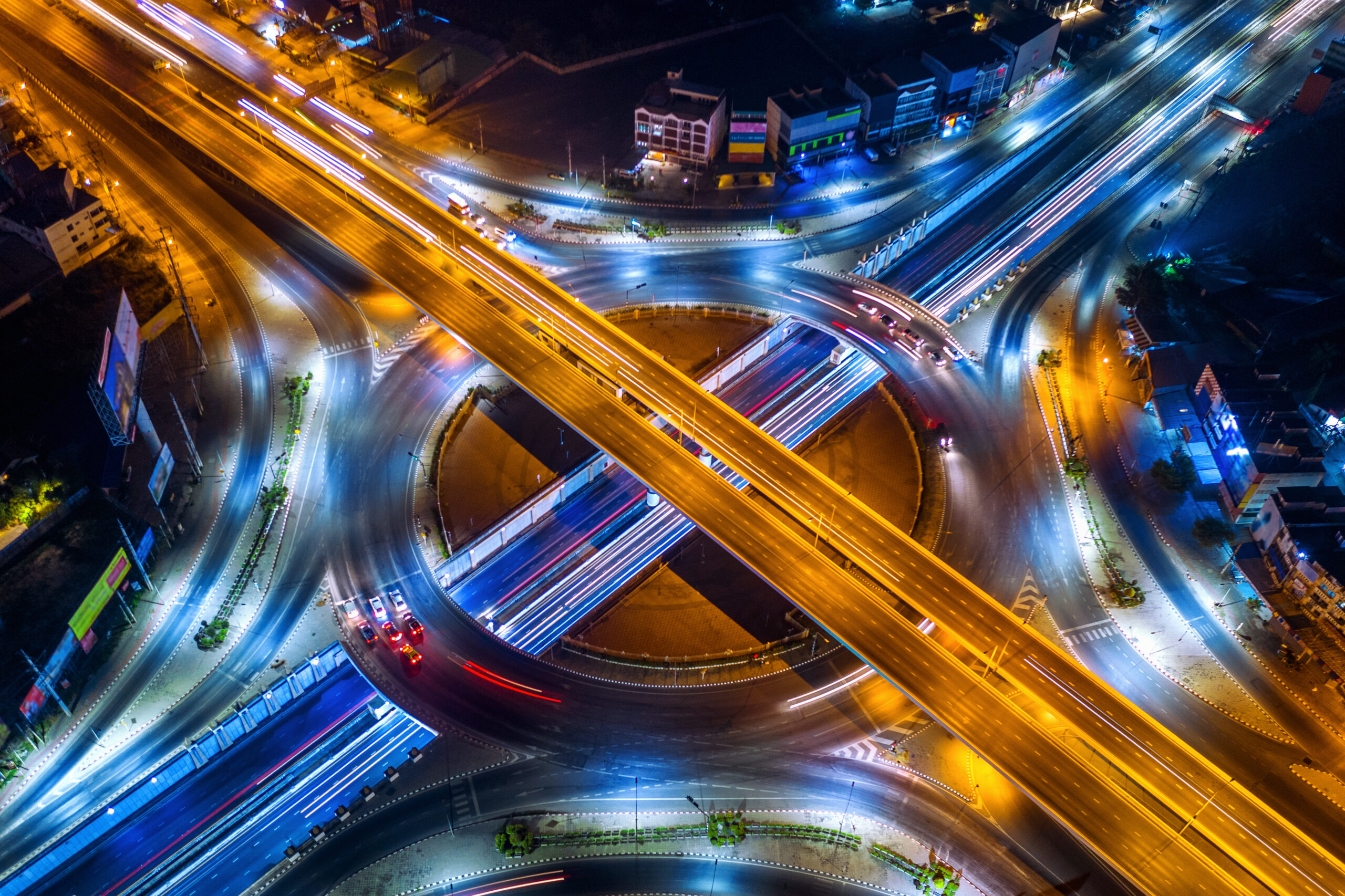
Kolkata is poised to see a major infrastructure upgrade as the foundation stone has been laid for a six-lane elevated Kona Expressway in Howrah district. Spanning 7.2 kilometres and valued at ₹1,200 crore, the project aims to ease traffic congestion, cut travel time and strengthen trade, commerce and tourism links between Howrah and the city. The expressway is scheduled for completion in 2026, marking a significant intervention in eastern India’s transport connectivity.
Officials said the new corridor will not only cater to rising vehicular demand but also integrate better with the national highway network, providing smoother entry into the metropolis. The project is expected to bring relief to daily commuters who have long faced bottlenecks on the existing stretch, while also supporting freight movement towards key ports.
Transport experts believe the elevated roadway can become a model for modern highway design, provided that sustainability features are incorporated. They note that India’s rapidly expanding road infrastructure must align with global calls for reduced emissions, equitable access and greener construction practices. With expressways typically encouraging faster travel, there are parallel demands to balance mobility gains with environmental safeguards such as noise barriers, green landscaping, and advanced drainage to withstand climate impacts. The authorities have confirmed that the speed limit on the new route will follow national expressway norms of 120 km per hour. While this is expected to cut travel time considerably, road safety advocates urge caution, pointing out that enforcement of speed rules and pedestrian safety measures remain critical in high-speed corridors.
According to highway planners, the project has been structured to enhance long-term regional growth. By creating a direct and efficient link to Kolkata, it is expected to boost industrial clusters and logistics hubs in Howrah and surrounding rural areas. Improved transport networks often lead to increased employment opportunities, urban renewal, and better access to markets for small businesses. The emphasis on modernising transport has also been underlined by central authorities, who argue that twenty-first century India requires integrated connectivity across roads, railways, airports and urban transit systems. West Bengal has already achieved full railway electrification, which is seen as a complementary step towards reducing dependence on fossil fuels in the transport sector.
Observers say the real success of the Kona Expressway will be measured not just in kilometres built but in the quality of urban transformation it enables. If executed with attention to resilience and equitable access, the project could serve as a stepping stone towards more sustainable and inclusive cities. However, delays or cost overruns could undermine its potential, as has been the case with several large-scale projects in the past. For now, the Kona Expressway offers Kolkata a chance to reimagine mobility by merging speed with sustainability—an aspiration that could define the future of infrastructure in eastern India.