Surat Region Navsari Civic Body Warns Residents Of Heat Risks
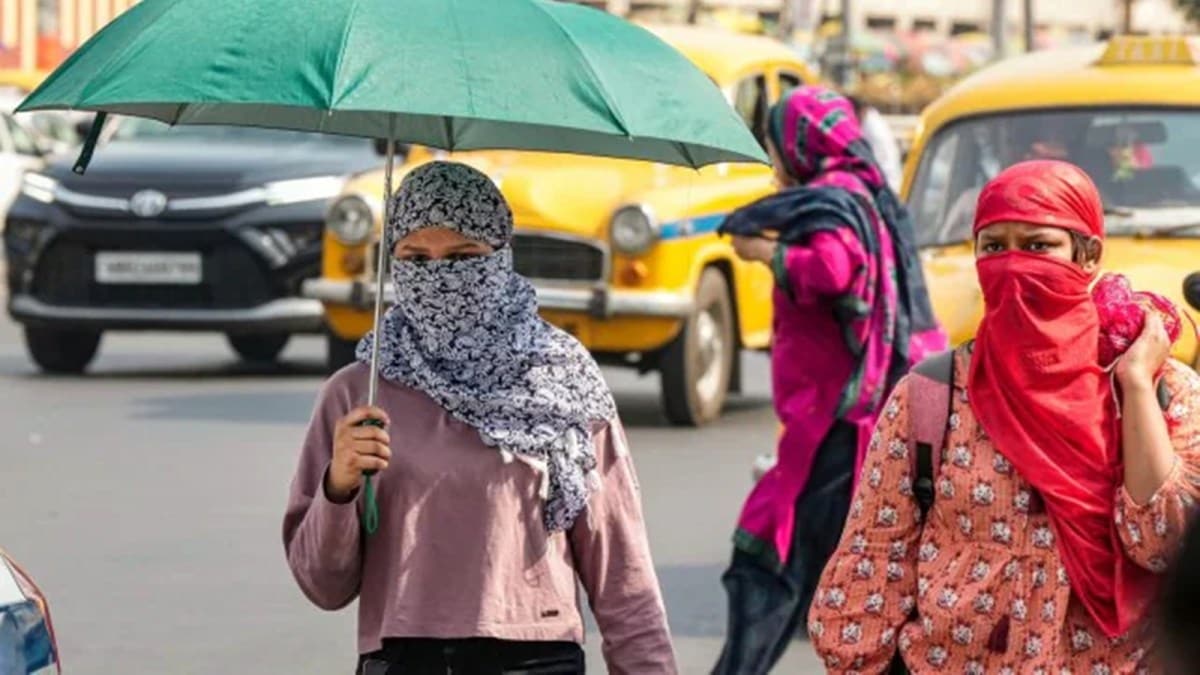
Kolkata has recorded a notable rise in temperatures, with the daytime mercury surpassing 30°C for the first time in nearly three months, signalling a shift from the prolonged winter experienced across the city. Meteorologists anticipate the heat could reach 31°C by the weekend, while night-time lows are also expected to climb closer to 20°C.
Urban climate experts note that such seasonal transitions, though gradual, can influence energy consumption, public health, and the functioning of urban infrastructure. Extended cold periods earlier this year had kept night temperatures below the seasonal norm, while the recent warming trend may start impacting both residential and commercial energy demand, particularly for cooling systems in office and high-density housing clusters. The sustained winter pattern in Kolkata had been largely attributed to persistent north-westerly winds, which are dry and prevent significant temperature spikes. The current uptick in heat, however, remains largely weather-driven and is not linked to any major climatic disturbances such as western disturbances or low-pressure systems.
Senior meteorology officials highlight that the increase is predominantly due to daytime heating, with humidity levels still low enough to keep discomfort minimal. From an urban planning perspective, this transitional phase underscores the importance of climate-resilient city design. Buildings with passive cooling measures, green cover in public spaces, and heat-resilient road materials can reduce urban heat exposure and maintain comfort levels without reliance on energy-intensive air conditioning. Experts also caution that as the city begins to receive more moisture-laden winds from the Bay of Bengal, both heat and humidity could rise rapidly, intensifying thermal stress in dense neighbourhoods.
Economic activity in Kolkata, particularly in the informal and outdoor sectors, is sensitive to such temperature swings. Street vendors, transport workers, and outdoor labourers experience the direct impact of rising temperatures, while the hospitality and real estate sectors may need to adjust facility management strategies to maintain comfort. A gradual rise in night temperatures can also influence water demand and urban microclimates, with potential knock-on effects for local utilities and municipal planning. For city authorities and urban developers, the immediate focus remains on monitoring seasonal patterns and planning for adaptive measures. While no major weather systems are expected in the coming week, the current warming trend highlights the broader challenges of balancing urban development with climate resilience and sustainable living standards.