


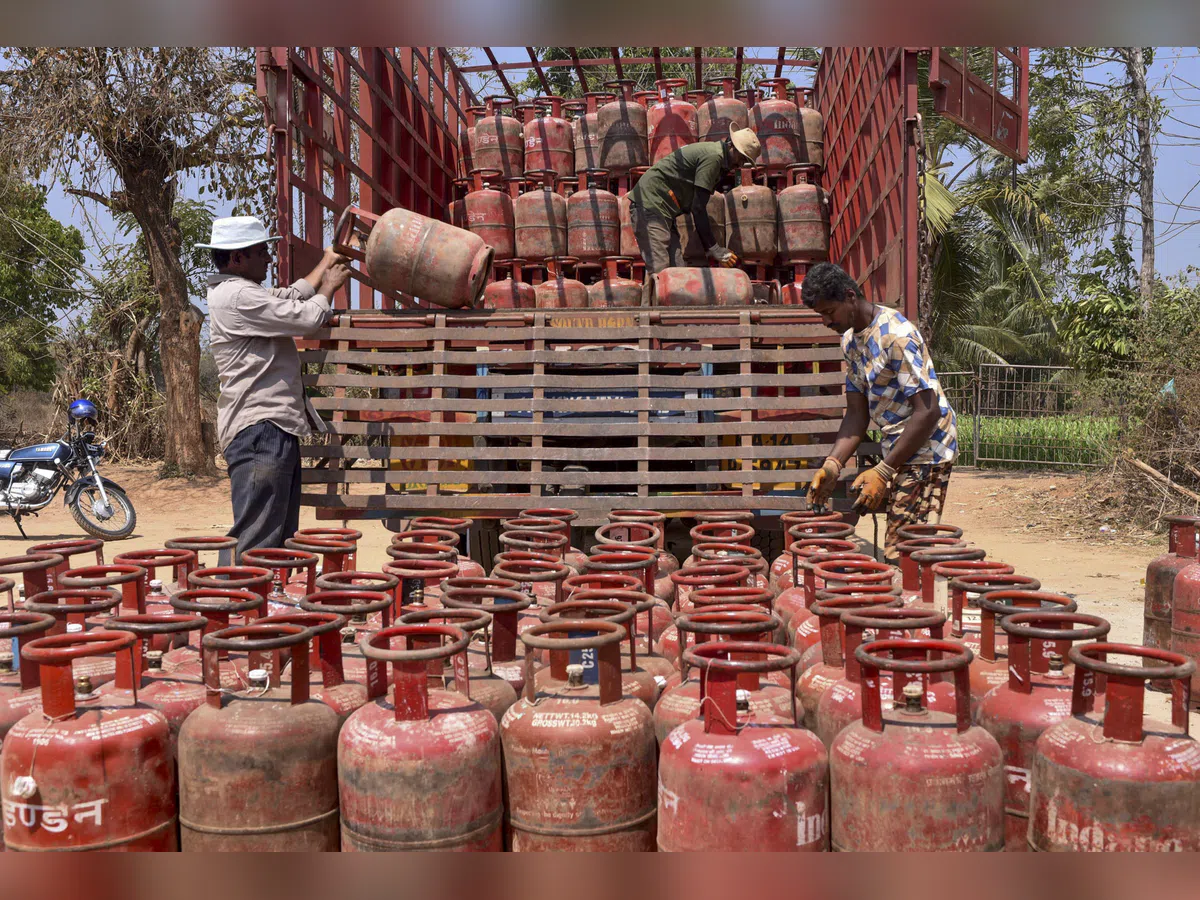
Restaurants and small food businesses across Kolkata are reassessing their energy sources as disruptions in LPG supply prompt a gradual shift toward piped natural gas (PNG), highlighting the vulnerability of urban commercial ecosystems to fuel volatility.
The emerging transition reflects both operational necessity and longer-term cost considerations. With inconsistent LPG availability affecting daily kitchen operations, several establishments are exploring PNG connections as a more reliable alternative. For many, continuity of fuel supply is becoming as critical as pricing, particularly in high-density commercial clusters where service disruptions directly impact revenue.The move has broader implications for the Kolkata restaurant fuel shift, signalling how urban businesses adapt to infrastructure gaps in real time. Industry experts note that while LPG has traditionally dominated the hospitality sector due to ease of use and distribution, supply chain disruptions can expose systemic inefficiencies, especially during periods of geopolitical uncertainty or logistical strain.PNG, which is delivered through a fixed pipeline network, offers advantages in terms of supply stability and safety. However, access remains uneven across the city. Areas with established gas distribution infrastructure are better positioned to make the transition, while others continue to depend on cylinder-based systems. This uneven availability raises questions about infrastructure equity and the pace of urban energy transition.
Urban planners view the situation as a reminder of the need for integrated utility planning in growing cities. As commercial districts expand and densify, reliance on decentralised fuel sources such as LPG can create vulnerabilities. Expanding PNG networks or alternative clean energy systems could improve resilience, reduce emissions, and align with long-term climate goals.From a business perspective, the cost equation is also evolving. While the upfront investment in PNG connections and equipment modifications can be significant, operators suggest that stable pricing and uninterrupted supply may offset these costs over time. Smaller establishments, however, may find the transition challenging without financial or policy support.The Kolkata restaurant fuel shift also intersects with environmental considerations. PNG is generally regarded as a cleaner-burning fuel compared to LPG, with lower particulate emissions. As cities aim to reduce their carbon footprint and improve air quality, such transitions in the commercial sector can contribute incrementally to broader sustainability targets.Yet, stakeholders caution that a fragmented transition could create disparities within the sector. Larger chains and well-capitalised businesses are more likely to adopt PNG quickly, while smaller operators may remain exposed to supply disruptions. This could influence competitive dynamics within the city’s food economy.Looking ahead, the situation underscores the importance of resilient urban energy systems that support both economic activity and environmental priorities.
As Kolkata navigates these challenges, coordinated action between utilities, policymakers and businesses will be essential to ensure that the shift towards more stable and sustainable fuel sources remains inclusive and scalable.
Also Read:Kolkata Housing Registrations Rebound After January Slump
Kolkata restaurants shift toward PNG amid LPG shortage
