


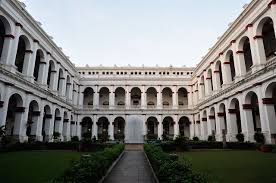
Kolkata is preparing to add a digital history museum within the Town Hall complex, marking a significant step in how Indian cities are rethinking heritage assets for contemporary civic use. The initiative, being developed through a collaboration between the municipal authority and a leading technical institution, aims to reinterpret the city’s layered past using digital tools. Beyond culture, the move reflects how adaptive reuse of historic buildings can support urban regeneration, education and the local experience economy. The proposed museum will use immersive digital technologies to document and present Kolkata’s social, political and urban evolution. Officials involved in the project say the focus will be on interactive storytelling rather than static displays, allowing visitors to engage with archival material, maps and narratives in accessible formats. This approach aligns with a broader shift in cultural infrastructure, where digital platforms are expanding reach without extensive physical alteration of heritage structures.
Urban planners see the choice of Town Hall as symbolically and strategically important. Located in the city’s historic core, the building has long functioned as a civic landmark but has struggled to maintain regular public footfall. Integrating a digital museum could help reactivate the precinct, supporting nearby public spaces, small businesses and pedestrian activity — all key elements of people-first urban centres. From an infrastructure perspective, the project demonstrates adaptive reuse rather than new construction, reducing material consumption and embodied carbon. Conservation specialists note that upgrading existing buildings with modern digital systems is often more climate-resilient than building anew, provided structural integrity and heritage guidelines are respected. The technical institution involved is expected to contribute expertise in digital archiving, virtual interfaces and data management, ensuring that historical records are preserved in formats suitable for long-term access. Education experts highlight the potential for schools, researchers and tourists to use the museum as a learning resource, bridging academic knowledge with public engagement.
Economically, the initiative could strengthen Kolkata’s cultural tourism ecosystem. Digital museums typically have lower operational costs than conventional galleries while offering scalable content updates. Analysts suggest this model could be replicated across other heritage sites, creating a network of technology-enabled cultural assets that generate employment in content creation, maintenance and visitor services. However, challenges remain. Integrating advanced digital infrastructure into an ageing building requires careful planning around power supply, climate control and cybersecurity. Accessibility will also be critical, with urban designers emphasising the need for inclusive layouts that cater to all age groups and abilities.
Looking ahead, the digital history museum signals a broader shift in how cities value heritage — not as frozen artefacts, but as living urban infrastructure. If executed well, the project could offer a template for combining conservation, technology and civic engagement, demonstrating how historic spaces can remain relevant in a rapidly digitising urban economy.
Also Read: Ahmedabad Infrastructure Reset Around Motera Sports Hub
Kolkata Reimagines Heritage Through Digital Museum
