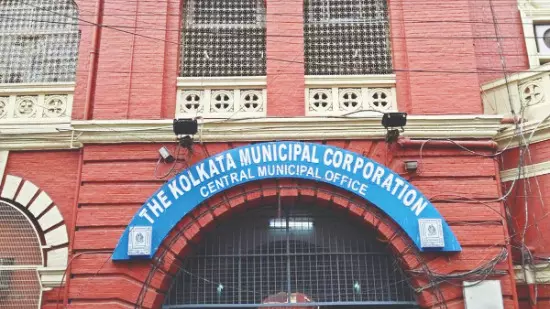
Kolkata’s civic authorities are preparing to repurpose a strategically located parcel of land at Wellington Square, previously used for metro construction activity, to strengthen essential urban services in central parts of the city. With underground rail works in the area now complete, the municipal administration has initiated steps to reclaim the site for public infrastructure that addresses long-standing gaps in water supply and neighbourhood healthcare access.
The reclaimed land, situated within a densely populated urban pocket, is being earmarked for a water booster pumping station and a specialised health facility. According to officials familiar with the planning process, the proposed water infrastructure is expected to stabilise potable water pressure across multiple wards in central Kolkata, an area that often experiences uneven distribution due to ageing pipelines and rising residential demand. The health facility, planned alongside the water project, is intended to focus on dialysis and related outpatient services. Urban health experts point out that decentralised medical infrastructure is increasingly critical in older city cores, where residents often travel long distances for specialised care. Locating such services within neighbourhood parks or civic land parcels improves accessibility while reducing pressure on tertiary hospitals.
However, the transition of the site from transport utility to civic use is not without technical complexity. Beneath the park lies a deep vertical shaft constructed during the metro’s initial design phase, when plans included an underground station and later a ventilation and emergency access structure. Challenging soil conditions in the area particularly porous strata prone to instability led engineers to abandon both proposals. Urban engineers caution that dismantling deep underground structures in such conditions carries significant risk. Disturbing the shaft could compromise soil stability and affect nearby utilities and surface structures. For this reason, transport authorities have indicated that the shaft may be retained below ground, sealed and monitored, even after formal handover of the land to the civic body. A joint technical review is expected before the transfer is finalised.
The situation highlights a broader issue faced by cities with layered infrastructure histories. As metro networks expand beneath dense urban areas, surface land use often remains in flux long after construction ends. Planners note that reclaiming and reintegrating such spaces into the civic fabric requires coordination between transport agencies, municipal engineers, and environmental specialists.
From a sustainability perspective, the proposed projects align with climate-resilient urban planning goals. Water booster stations reduce energy loss from inefficient pumping, while neighbourhood health facilities cut travel-related emissions by bringing care closer to residents. At the same time, retaining existing underground structures rather than demolishing them avoids unnecessary material waste and ground disturbance.
Once the formal handover is completed, detailed design and environmental assessments will determine how the park’s surface is restored alongside the new facilities. Urban planners emphasise that preserving green cover and public access will be essential to maintain the social value of Wellington Square.
As Kolkata continues to adapt its legacy infrastructure to contemporary needs, the redevelopment of this site will serve as a test case for how cities can responsibly reuse transit-era land for inclusive, service-oriented urban growth.
Kolkata Reclaims Wellington Square For Civic Infrastructure