


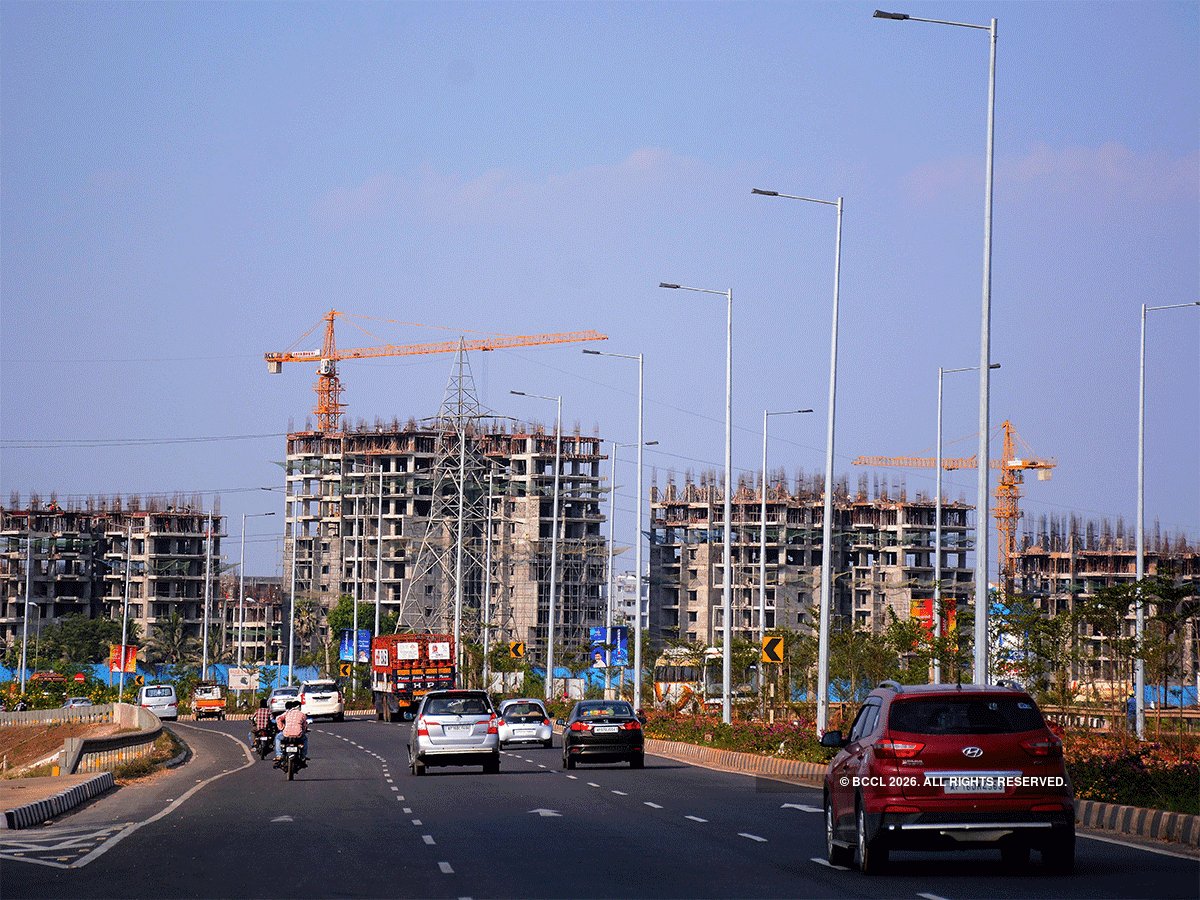
Kolkata’s real estate sector is witnessing renewed momentum, with developers, investors, and policymakers converging at a major industry gathering to assess market trends and growth opportunities.
The discussions highlight a gradual shift in the city’s property landscape, driven by affordability, infrastructure upgrades, and evolving demand patterns.The event, centred on the Kolkata real estate growth, brought together stakeholders from across the housing and commercial segments. Participants pointed to sustained interest in mid-income housing and plotted developments, which continue to form the backbone of the city’s residential market.Industry experts note that Kolkata remains one of the more affordable metropolitan markets in India, making it attractive for both end-users and long-term investors. Compared to cities like Mumbai or Bengaluru, property prices in Kolkata offer relatively higher value, particularly in emerging suburban corridors.The Kolkata real estate growth is also being supported by infrastructure improvements, including metro expansion, road upgrades, and enhanced connectivity between residential and commercial zones. Such developments are reshaping urban growth patterns, encouraging expansion into peripheral areas while easing pressure on central districts.From a commercial perspective, there is cautious optimism. While the office market has seen moderate activity, retail and mixed-use developments are gaining traction as consumer behaviour evolves. Developers are increasingly focusing on integrated projects that combine residential, retail, and leisure components.Sustainability is emerging as a key theme within the sector.
Developers are gradually incorporating green building practices, energy-efficient designs, and water management systems into projects. These measures not only align with environmental goals but also enhance long-term asset value.Urban planners highlight the importance of aligning real estate growth with broader city planning objectives. Ensuring adequate infrastructure, managing density, and preserving open spaces are critical to maintaining livability as the market expands.The sector’s growth also has significant economic implications. Real estate is a major contributor to employment, spanning construction, materials, and allied services.Increased activity can stimulate economic growth and support urban development.However, challenges remain. Regulatory processes, financing constraints, and market sentiment continue to influence project timelines and investment decisions.Developers must navigate these factors while adapting to changing consumer expectations.Experts suggest that policy stability and improved ease of doing business will be crucial in sustaining momentum. Transparent regulations and streamlined approvals can enhance investor confidence and accelerate project execution.As Kolkata positions itself within India’s evolving real estate landscape, the current momentum reflects both opportunity and transition.
The Kolkata real estate growth narrative underscores the city’s potential to balance affordability with modern infrastructure, creating a more inclusive and sustainable urban environment.Looking ahead, the focus will be on translating interest into tangible development while ensuring that growth remains aligned with long-term urban resilience and quality of life objectives.
Also Read:Kolkata Plastic Industry Crisis Amid West Asia Disruptions
