


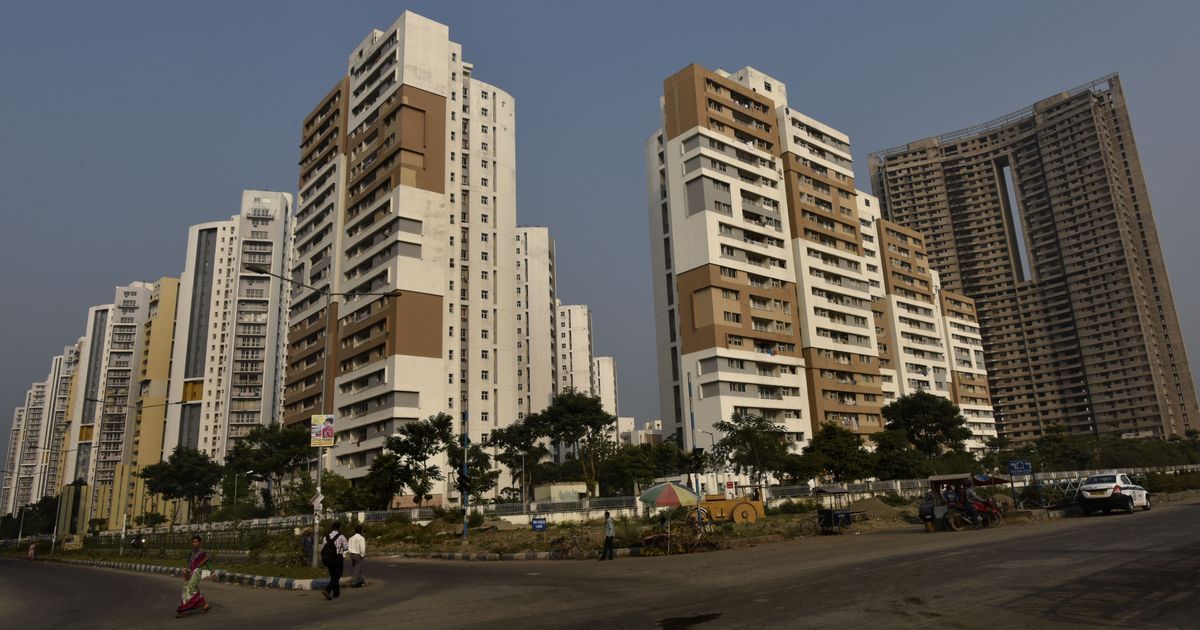
Kolkata’s commercial real estate landscape is entering a new phase as institutional capital deepens its footprint in the city through a major transaction involving one of its most recognisable mixed-use retail assets. A consortium backed by a global alternative investment platform has reached an agreement to acquire a significant stake in the South Kolkata development, marking one of the city’s most consequential private equity-led real estate deals in recent years.
The transaction signals growing confidence in Kolkata’s income-generating property assets at a time when investors are increasingly selective about Indian urban markets. While cities such as Mumbai, Bengaluru and Delhi NCR have traditionally dominated institutional investment flows, Kolkata’s stable consumption base and limited supply of high-quality retail assets are now drawing long-term capital seeking predictable yields rather than speculative growth. Urban economists note that the deal reflects a broader recalibration underway in India’s real estate investment landscape. As office and residential markets grapple with cyclical volatility, well-performing retail assets in dense urban catchments are emerging as defensive plays. South Kolkata’s demographic depth, public transport connectivity and established residential neighbourhoods provide a captive consumer base that supports sustained footfall and rental stability. From a city-planning perspective, the transaction underscores the importance of mixed-use developments in older metropolitan regions. Integrated retail destinations, when embedded within walkable neighbourhoods and supported by mass transit, reduce travel demand and reinforce local economic ecosystems. Urban planners argue that such assets, if responsibly managed, can play a role in reducing carbon-intensive commuting while supporting local employment.
The entry of global capital is also expected to influence asset management standards. Industry experts point out that institutional ownership typically brings stronger governance frameworks, improved energy efficiency measures and structured capital expenditure planning. In a city where legacy commercial properties often struggle with maintenance and modernisation, this shift could help raise benchmarks for sustainability and operational resilience. However, analysts caution that capital inflows alone cannot address Kolkata’s broader real estate challenges. Regulatory clarity, faster approvals and coordinated infrastructure upgrades remain critical to unlocking the city’s full potential. Without parallel improvements in urban services and last-mile connectivity, investment momentum could remain concentrated in a limited number of prime assets. The deal also reflects changing investor expectations from Indian cities beyond the top three markets. Rather than chasing rapid appreciation, institutional players are increasingly valuing cities that offer stable demand, moderate pricing and lower competitive intensity. Kolkata’s retail market fits this profile, particularly as consumption patterns stabilise post-pandemic.
As the city navigates its next phase of urban renewal, the transaction serves as a marker of renewed credibility rather than a turning point in isolation. Whether this capital sets off a broader wave of sustainable, people-centric redevelopment will depend on how policymakers, planners and asset owners align long-term growth with resilience and inclusion.
Also Read: Bengaluru Residential Market Signals High Value Expansion
Kolkata Real Estate Attracts Long Term Capital
