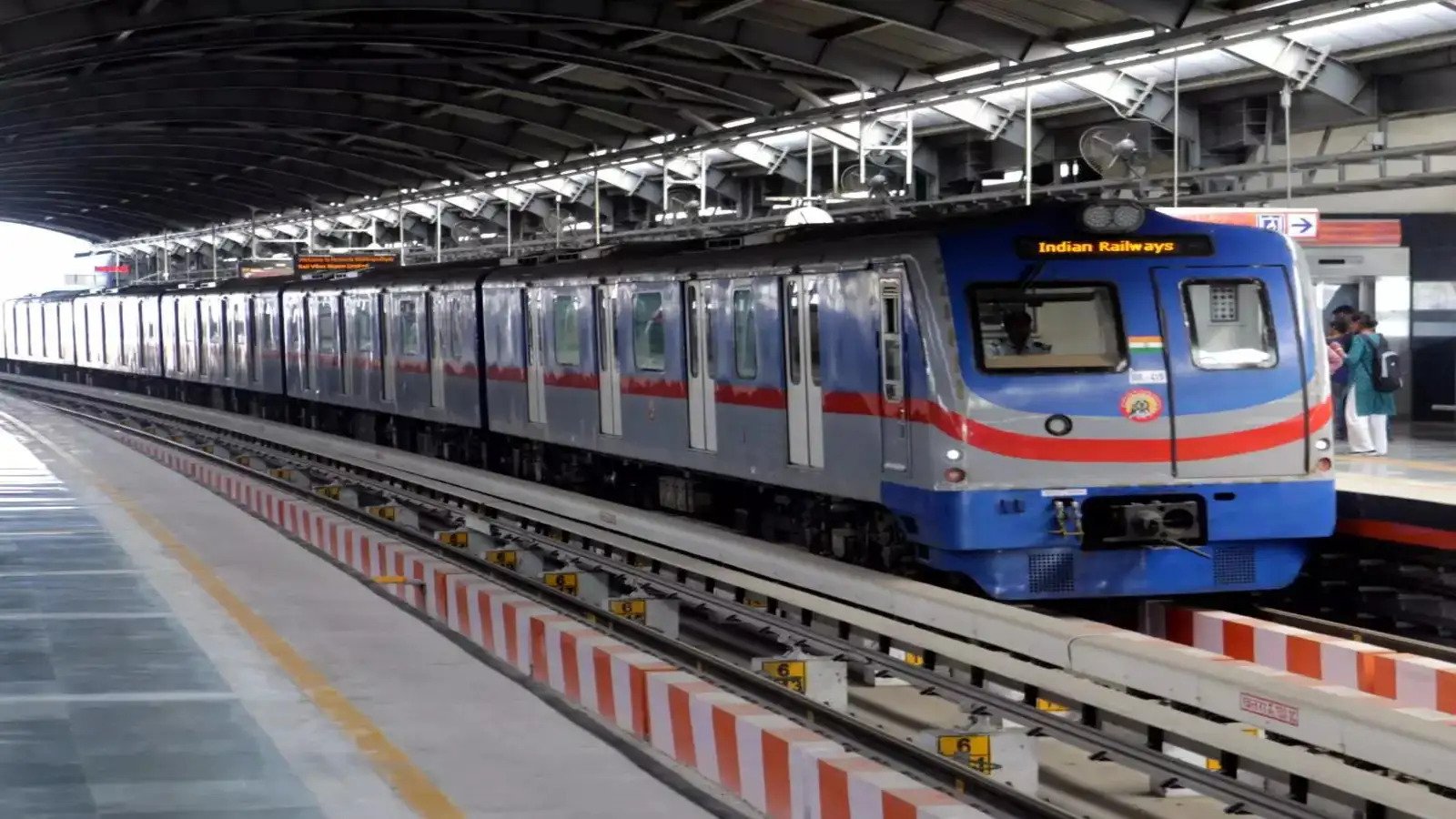
A new Texmaco RVNL joint venture has been formalised in Kolkata, marking a significant consolidation within India’s rail manufacturing and infrastructure ecosystem. The agreement gives Rail Vikas Nigam Limited (RVNL) a majority holding of 51 per cent, with Texmaco Rail & Engineering retaining 49 per cent. The move signals a strategic alignment between a state-backed rail infrastructure executor and a private-sector rolling stock manufacturer at a time when India is accelerating railway modernisation. The partnership is expected to focus on advanced rolling stock, including freight wagons, locomotives, passenger coaches and metro systems, alongside lifecycle maintenance and large engineering, procurement and construction (EPC) assignments. Officials associated with the development indicated that the new entity will pursue integrated rail contracts in domestic and international markets, particularly across Asia, Africa and West Asia.
For India’s urban transition, the timing is notable. Indian cities are expanding metro rail, regional rapid transit systems and freight corridors to reduce congestion, improve air quality and lower carbon intensity. Rail transport remains one of the least emission-intensive mobility modes, and experts argue that domestic manufacturing scale will be critical if India is to meet both mobility and climate commitments. Industry analysts say the Texmaco RVNL joint venture creates a platform that combines manufacturing capacity with project execution expertise. RVNL, a public sector enterprise under the Ministry of Railways, has played a central role in delivering large railway infrastructure projects, including new lines and electrification. Texmaco brings fabrication facilities, wagon production lines and export exposure to the table. Together, the structure may allow bidding for turnkey contracts that span design, manufacturing, commissioning and long-term maintenance.
Urban planners note that lifecycle maintenance and asset management areas identified as focus segments are increasingly important for cash-strapped city authorities. As metro networks expand in tier-one and tier-two cities, predictable upkeep and operational reliability become as critical as initial construction. Integrated models that combine build-and-maintain responsibilities can reduce delays and cost overruns. The venture also reflects a broader policy push to deepen domestic capability in heavy engineering. India’s railway sector is among the largest public infrastructure spenders, with ongoing investments in dedicated freight corridors, station redevelopment and electrification. By building stronger domestic manufacturing alliances, policymakers aim to reduce import dependence while expanding export potential.
However, execution risks remain. Large EPC and international rail projects demand tight coordination, regulatory compliance and financing depth. Market observers suggest that the success of the new structure will depend on its ability to secure competitive contracts without overextending balance sheets. If effectively managed, the partnership could strengthen India’s position in global rail supply chains while supporting the build-out of cleaner, more efficient transport systems at home. As cities look to rail to anchor sustainable urban growth, institutional collaborations of this scale may become more common across the infrastructure landscape.