


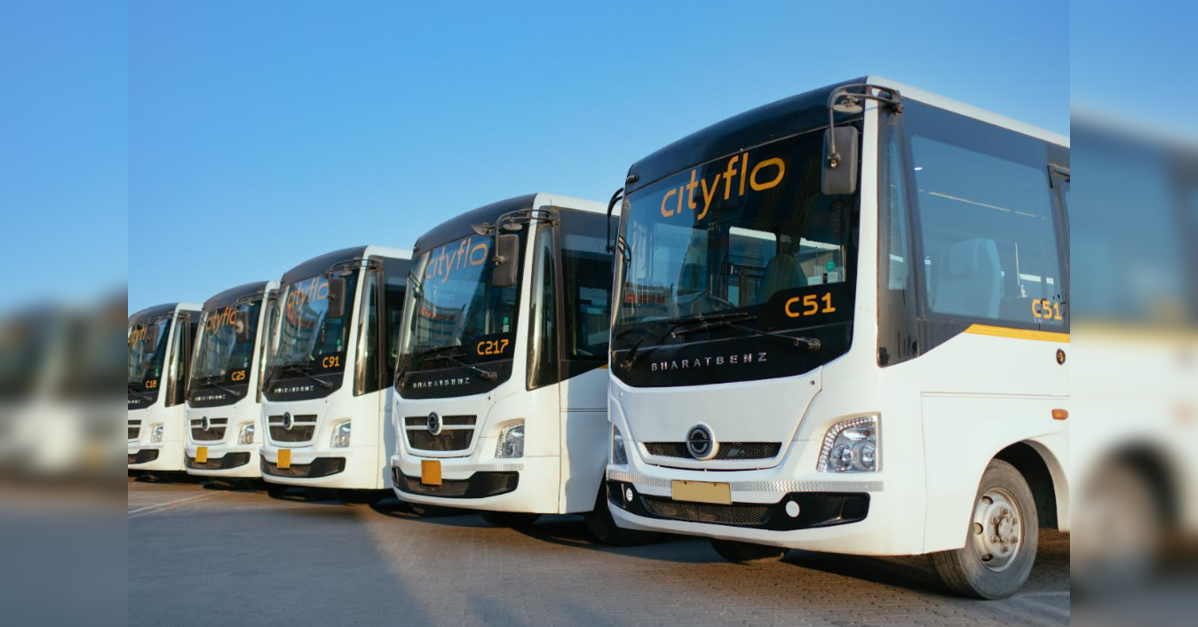
Kolkata’s urban mobility landscape is set for a shift as app-based premium bus services expand operations, aiming to address gaps in comfort, reliability and last-mile connectivity.
The scale-up, which includes a significant increase in fleet size, reflects rising demand for organised and technology-driven transport options in densely populated cities.The rollout of these services in Kolkata comes at a time when commuters are seeking alternatives to overcrowded public transport and unpredictable road conditions. By offering pre-booked seating, fixed routes and digital tracking, the model introduces a structured layer within the city’s largely fragmented mobility ecosystem. The Kolkata premium bus services segment is therefore emerging as a bridge between traditional public transport and private vehicle usage.Transport analysts note that such services can play a critical role in optimising road-based mobility. By aggregating demand into shared buses, they have the potential to reduce the number of individual vehicles on the road, easing congestion and lowering emissions. In a city like Kolkata, where road space is limited and traffic density remains high, this shift could contribute to more efficient utilisation of infrastructure.From an economic standpoint, the expansion signals growing investor confidence in urban mobility solutions.Scaling the fleet to meet demand requires capital investment, operational planning and integration with digital platforms.
Industry experts suggest that the success of Kolkata premium bus services will depend on achieving a balance between affordability and service quality, ensuring that they remain accessible to a broad commuter base.Urban planners also highlight the importance of integrating such services with existing transport networks. Seamless connections with metro systems, suburban rail and bus terminals can enhance overall accessibility and encourage multimodal travel. Without this integration, the benefits of expanded services may be limited to specific user segments.There are implications for employment and local economies as well.Fleet expansion creates opportunities in operations, maintenance and technology support, contributing to job creation within the urban transport sector. Additionally, improved commuting options can enhance productivity by reducing travel time and increasing reliability for daily travellers.However, regulatory clarity remains a key factor in determining long-term sustainability. As app-based transport services grow, authorities will need to establish frameworks that ensure safety, fair competition and alignment with broader urban mobility goals. Experts emphasise that such services should complement, rather than compete with, public transport systems.Environmental considerations further strengthen the case for shared mobility solutions. By encouraging higher occupancy per vehicle, premium bus services can contribute to lower per-capita emissions, supporting city-level climate objectives. Transitioning fleets towards cleaner fuel technologies could amplify these benefits.
As Kolkata continues to evolve, the expansion of organised bus services highlights a shift towards more structured and technology-enabled mobility solutions. The challenge ahead will be to integrate these innovations into a cohesive transport strategy that prioritises efficiency, inclusivity and sustainability across the urban landscape.
Also Read:Kolkata Shanghai Flights Expand International Connectivity
