


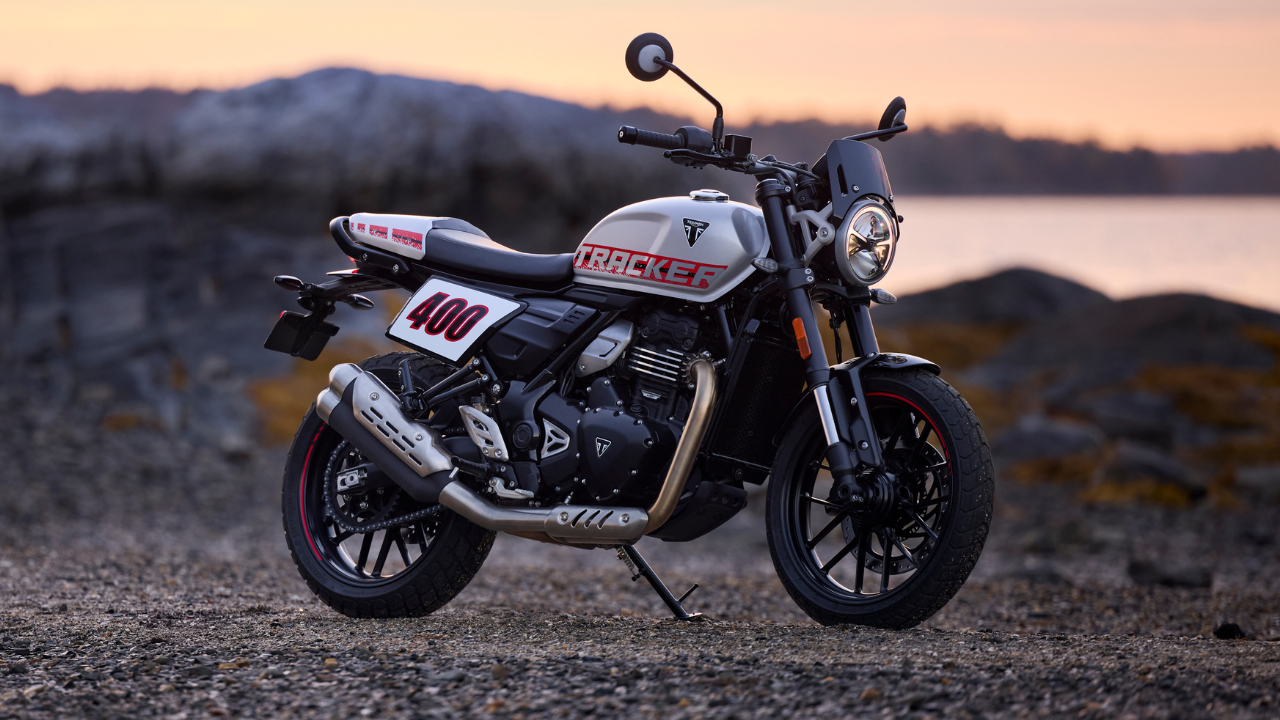
The premium two-wheeler segment in India is witnessing a strategic push, with global manufacturers targeting rapid expansion in the sub-400cc category—an emerging sweet spot for urban commuters seeking a balance between affordability and performance.
The development is expected to influence demand patterns in large metropolitan markets such as Kolkata.At the centre of this shift is Triumph Motorcycles, which has outlined aggressive growth plans for its entry-level premium portfolio. The company’s strategy aligns with evolving consumer preferences in cities like Kolkata, where younger buyers and working professionals are increasingly moving beyond basic commuter bikes.The focus on the Kolkata premium bike market reflects broader changes in urban mobility behaviour. Rising incomes, aspirational consumption, and improved financing options are driving demand for motorcycles that offer enhanced design, technology, and performance features without crossing into high-end pricing segments.
Industry analysts note that the sub-400cc category is particularly attractive because it bridges the gap between mass-market and premium offerings. For urban riders, these motorcycles provide better power and comfort for longer commutes while remaining practical for daily use in congested city conditions.The Kolkata premium bike market is also influenced by infrastructure and traffic dynamics. As cities grapple with congestion, two-wheelers continue to offer flexibility and time efficiency. However, consumers are increasingly prioritising safety features, fuel efficiency, and brand value—factors that are shaping purchasing decisions.
From an economic perspective, the expansion of this segment is likely to stimulate ancillary industries, including dealerships, servicing networks, and financing services. Increased competition among manufacturers could also lead to more competitive pricing and innovation, benefiting consumers.There is a sustainability angle to consider as well. While motorcycles are generally more fuel-efficient than cars, the environmental impact depends on engine technology and emission standards. The push towards newer models with improved efficiency and compliance with stricter norms can contribute to reducing urban transport emissions.Urban planners highlight that while two-wheelers remain an integral part of mobility ecosystems, cities must continue to invest in public transport and non-motorised options to ensure balanced and sustainable growth.Over-reliance on private vehicles, even smaller ones, can contribute to congestion and environmental stress over time.The competitive landscape is expected to intensify as more manufacturers enter the segment, targeting similar consumer demographics. For Kolkata, a city with a strong culture of two-wheeler usage, these trends could reshape the composition of vehicles on the road in the coming years.
As the market evolves, the intersection of affordability, aspiration, and urban mobility needs will determine the trajectory of the segment. The current expansion plans signal confidence in sustained demand, positioning the sub-400cc category as a key growth driver in India’s two-wheeler industry.
Also Read:Kolkata Marine Species Discovery Expands Biodiversity Records
