


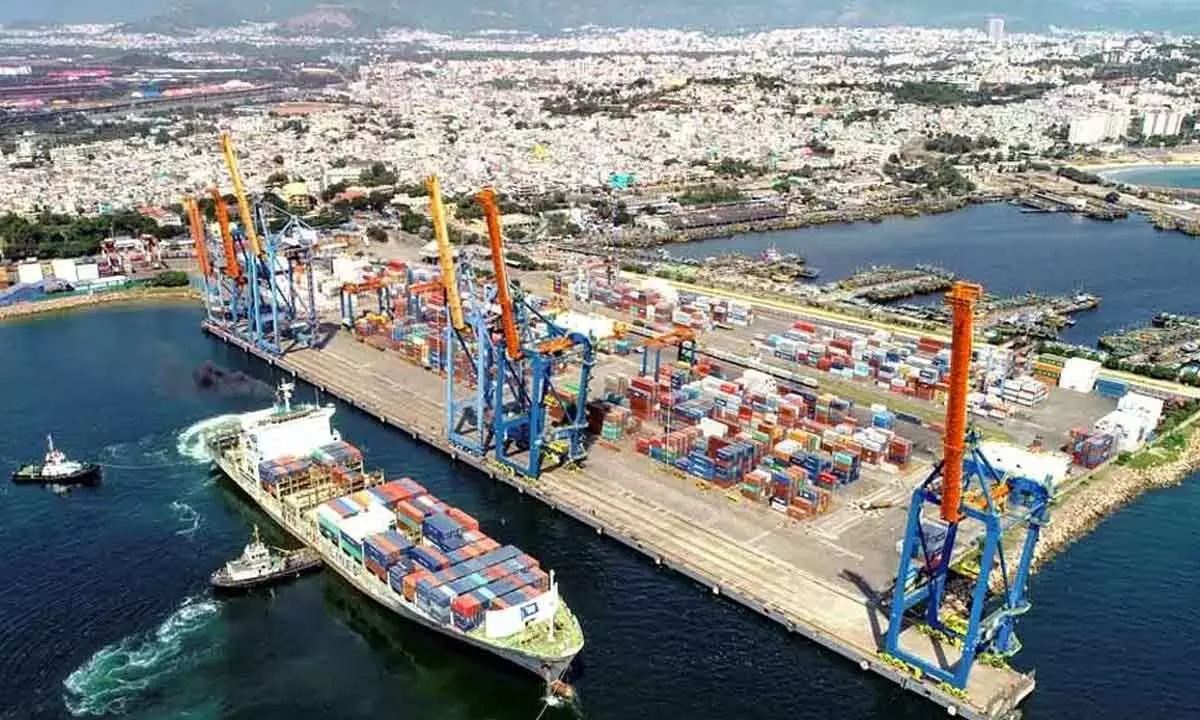
A significant portion of land belonging to the Syama Prasad Mookerjee Port (SMP) in Kolkata is under illegal occupation, posing a serious challenge to the city’s urban development and economic expansion. This alarming revelation, confirmed by a senior central government official, highlights a major administrative hurdle that is not only causing substantial financial losses but also impeding strategic modernisation efforts vital for the port’s future and the city’s overall sustainability. The unauthorised use of this valuable public asset directly conflicts with plans to create a more organised and eco-friendly urban infrastructure.
During a recent parliamentary session, a lawmaker questioned the Union Minister of Ports, Shipping, and Waterways regarding the status of the port’s land assets. The minister’s response confirmed that a total of 170.4 acres of land within the Kolkata Dock System is illegally occupied by approximately 706 encroachers. This encroachment represents a significant and a long-standing issue that has been draining the port’s potential revenue streams. Experts suggest that a failure to reclaim and monetise this land could undermine the port’s ability to fund crucial green initiatives and infrastructure upgrades that are essential for its continued relevance in a rapidly changing global maritime landscape.
The Syama Prasad Mookerjee Port, a pivotal gateway for trade in Eastern India, owns a total of 4,543 acres of land, with 421 acres designated as a ‘custom bound area’ and the remaining 4,122 acres falling under general use. This vast landholding is intended to support a range of commercial activities beyond just cargo handling, including warehousing, ship repair services, and riverside development. These projects are integral to the port’s strategic plan to become a zero net carbon entity and a model of sustainable logistics. The current illegal occupation of land, however, is directly obstructing these forward-looking initiatives, thereby compromising the port’s financial health and its contribution to an equitable and clean urban environment.
The financial implications of this land grab are considerable. Over the past five years, the port has generated an impressive revenue of Rs 2994.54 crore. However, this figure could have been significantly higher had the port been able to legally utilise or lease the encroached land. The lost revenue is a missed opportunity to invest in modern, energy-efficient technology and eco-friendly infrastructure. The ongoing illegal occupation also creates a significant equity issue, as it prevents the land from being developed in a planned, transparent, and gender-neutral manner that could benefit the wider community through formal employment and better public spaces.
The successful removal of these encroachments is critical for the port’s long-term viability and for the city’s aspirations of becoming a green, smart, and sustainable metropolis. It is a complex challenge that requires concerted efforts from multiple administrative bodies. Without a decisive strategy to reclaim and repurpose this land, the port will continue to operate below its full potential, and the city will lose a vital opportunity to develop a world-class, environmentally responsible maritime hub. Addressing this issue is not merely about asset recovery; it is about securing the future of the port and ensuring that its growth aligns with the city’s broader societal and environmental goals.
Also Read :Guwahati’s Pandu Terminal Achieves Milestone With First Oversized Cargo Shipment
