


Kolkata Nearby Beaches See Shift In Travel Trends
As summer travel demand rises in Kolkata, lesser-known coastal destinations along the Bay of Bengal are witnessing increased attention from urban travellers seeking alternatives to traditionally crowded beach hubs.
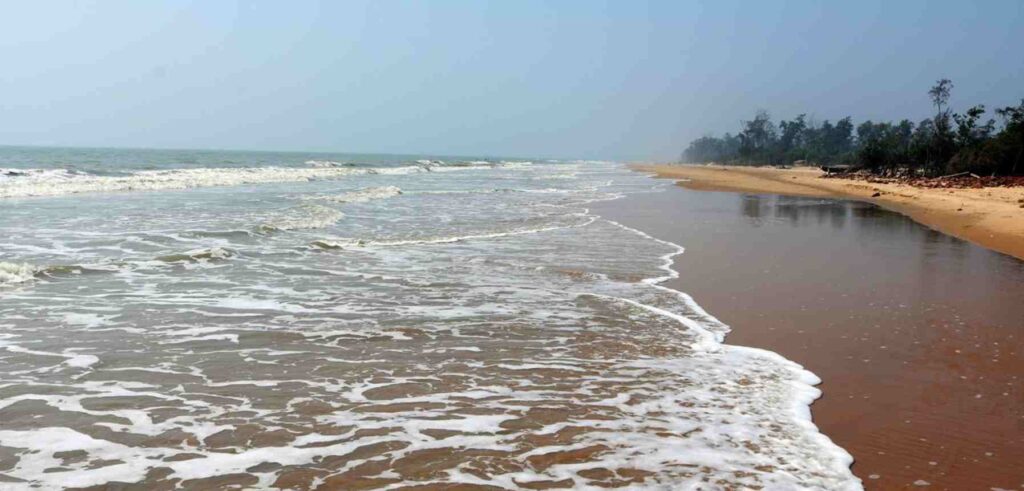
The growing interest in Kolkata nearby beaches reflects changing tourism patterns, where accessibility, environmental quality and quieter experiences are influencing travel decisions.For decades, coastal tourism from Kolkata has been concentrated around a few established destinations such as Digha and Mandarmani. However, travel planners and local authorities say there is now a visible shift toward emerging seaside locations that offer similar natural settings with comparatively lower congestion.Among the destinations gaining traction are Shankarpur, Bakkhali, Tajpur and Junput. These areas are being increasingly promoted through improved road connectivity and small-scale tourism infrastructure, including homestays, eco-resorts and local transport services.Urban development experts suggest that the rise of Kolkata nearby beaches is linked to broader shifts in travel behaviour following the pandemic years. Travellers are prioritising open spaces, shorter travel distances and destinations that offer a balance between leisure and environmental quality. This trend is encouraging decentralised tourism growth across coastal regions.From an economic perspective, the expansion of tourism beyond established hotspots can support more equitable regional development. Local communities in emerging beach destinations benefit from increased visitor spending, while pressure on overburdened coastal towns is gradually reduced.
However, planners caution that unmanaged tourism growth can create environmental risks. Coastal ecosystems in West Bengal are particularly sensitive, with mangroves, sand dunes and marine biodiversity playing a crucial role in climate resilience. Experts note that as Kolkata nearby beaches gain popularity, infrastructure development must align with sustainable coastal management practices.Transport connectivity remains a key factor driving this shift. Improved highways and rail links have reduced travel time from Kolkata to several coastal areas, making weekend trips more feasible for urban residents. Tourism officials say further investment in last-mile connectivity and basic amenities could accelerate the growth of these destinations.At the same time, there is increasing interest in developing eco-tourism frameworks that protect fragile coastal zones while enabling local livelihoods. Authorities are exploring measures such as regulated construction, waste management systems and controlled visitor capacity in sensitive areas.For Kolkata’s urban population, the diversification of beach options offers greater flexibility and accessibility in leisure travel. For policymakers, it presents an opportunity to distribute tourism-driven economic activity more evenly across the region.
As demand continues to grow, the future of Kolkata nearby beaches will depend on how effectively infrastructure expansion, environmental protection and community participation are balanced—shaping a more sustainable model for coastal tourism in eastern India.
Also Read:Chennai Metro Walkability Study Near Key Stations
