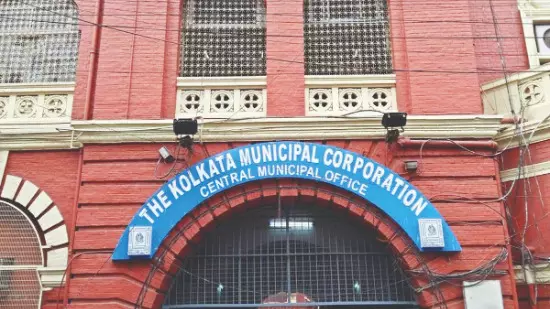
Kolkata’s civic administration is preparing to repurpose a strategically located parcel of land in central Kolkata following the completion of underground metro works, signalling a shift towards neighbourhood-scale infrastructure investment. The site at Wellington Square, previously under metro construction control, is now set to host essential public utilities aimed at strengthening water supply reliability and local healthcare access in densely populated parts of the city.
Municipal officials confirmed that the Kolkata Municipal Corporation (KMC) has initiated the process of taking back a portion of the land after metro-related activities were concluded. The reclaimed area is being evaluated for a water booster pumping facility and a specialised health centre, reflecting a growing focus on service infrastructure rather than large-scale transport assets alone. Urban planners say the decision highlights a pragmatic approach to land reuse in land-scarce city cores. Central Kolkata faces persistent challenges around uneven water pressure and limited access to advanced outpatient care. A water booster station at Wellington Square would help stabilise potable water distribution across several adjoining wards, particularly during peak summer demand, while reducing dependence on energy-intensive private pumping solutions .
The proposed healthcare facility is expected to address long-standing gaps in neighbourhood-level treatment options, especially for patients requiring regular dialysis. Public health experts note that decentralising such services reduces travel burdens for vulnerable residents and lowers pressure on tertiary hospitals already operating near capacity. However, the site carries engineering constraints that require careful management. A deep underground shaft constructed during early phases of metro planning will remain in place for the foreseeable future. According to officials familiar with the project, the structure extends roughly 20 metres below ground and sits within porous soil strata. Removing it could destabilise surrounding ground conditions, posing risks to surface infrastructure and nearby buildings.
Metro engineers have recommended retaining the shaft as a dormant asset, citing both safety considerations and the possibility of future operational use. A joint technical review is expected before the land is formally transferred back to the civic body, underscoring the coordination required between transport agencies and urban local governments in complex inner-city environments. The Wellington Square parcel was originally acquired for an underground station that was later reconfigured due to subsoil limitations. Subsequent plans for ventilation and emergency access were also shelved after geotechnical assessments flagged construction risks. With the metro corridor now operational, the land’s return to civic control presents an opportunity to recalibrate its use towards everyday urban services.
From a broader urban development perspective, experts view this move as part of a necessary transition. As Kolkata invests heavily in mass transit, equal attention is needed on resilient water systems and accessible healthcare to support liveable, climate-adaptive neighbourhoods. Efficient reuse of publicly held land reduces pressure for fresh acquisitions and aligns with more compact, resource-conscious city planning. In the coming months, the pace of implementation and design sensitivity will be closely watched. For residents around Wellington Square, the outcome could redefine how underutilised infrastructure sites are transformed into assets that directly improve daily urban life.
Kolkata municipal plans revive Wellington Square site