


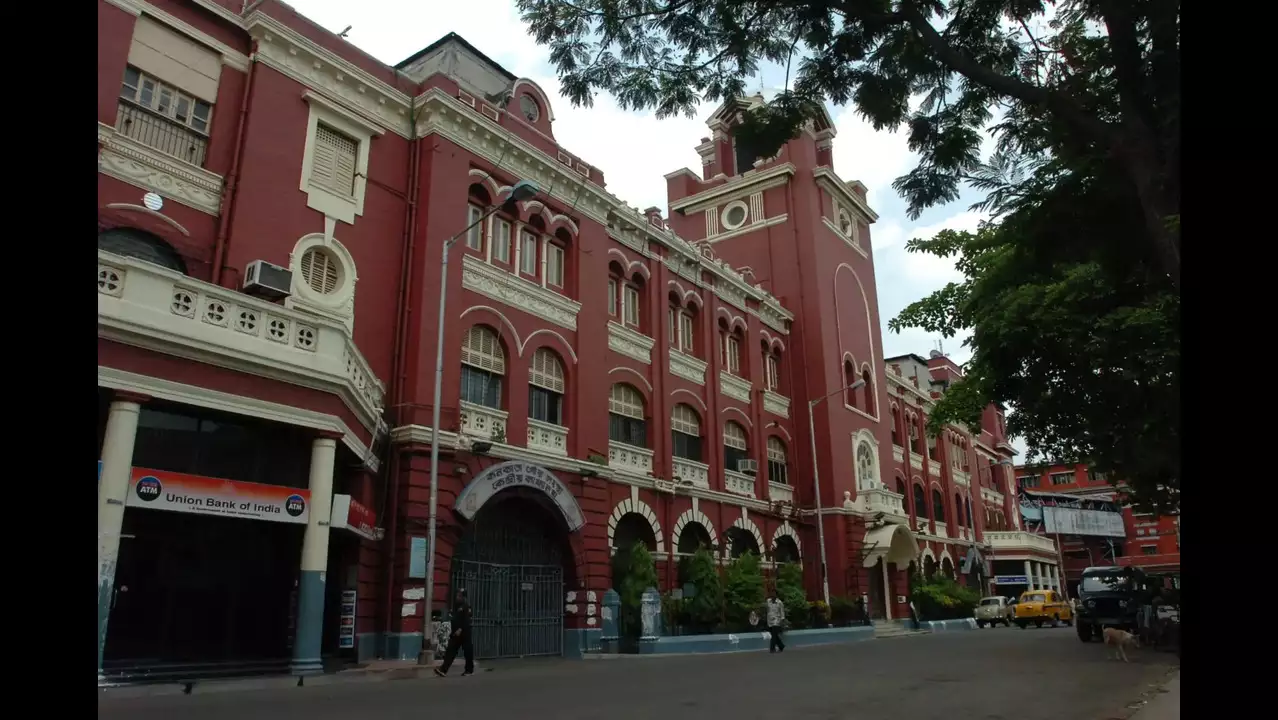
Kolkata Municipal Corporation to Regulate Small Plot Constructions
The Kolkata Municipal Corporation (KMC) has introduced a significant change in its building regulations, hoping to curtail the growth of illegal constructions on small plots. With the new initiative, the civic body has relaxed the mandatory open space requirements for buildings located on thika, bustee, and colony lands with plot sizes of no more than 3 cottahs. This move is expected to encourage property owners to have their construction plans cleared by KMC engineers, ensuring both structural safety and compliance with the city’s building laws.
Under the new guidelines, buildings on smaller plots, particularly in the 7 chhatak (300 sq ft) to 10 chhatak (450 sq ft) range, will now only need to leave minimal open space just 1ft in front, 1ft on each side, and 3ft at the back. The maximum permissible height for these buildings is capped at 10 metres, roughly equivalent to a three-storey structure. In the past, buildings of any size were required to leave at least 4ft of open space on all four sides, a regulation that proved challenging for those constructing on smaller plots.
The civic body’s latest reforms come in the wake of safety concerns surrounding buildings that were constructed without proper supervision or engineering oversight.
Civic officials noted that existing building regulations made it increasingly difficult for owners of small plots to obtain approval for construction, leading to many projects being carried out without a formal plan or engineering certification. As a result, a number of buildings were found to be unsafe, which has prompted KMC to introduce measures to ensure better monitoring and safety checks.In one of the most notable instances, two buildings in Kolkata’s Jadavpur and Tangra areas tilted earlier this year, drawing attention to the dangers of unchecked construction.
In both cases, it was revealed that the buildings had been erected without certified plans or permits from the civic authorities. These incidents highlighted the risks posed by unregulated construction practices, leading KMC to act swiftly by reducing regularisation fees for illegal structures in specific zones, while also making it mandatory for owners to obtain a structural stability certificate from an engineer when applying for building plan regularisation.For instance, the regularisation fee for structures built on 3-cottah plots in thika, bustee, and colony areas had previously been around ₹3.27 lakh, a figure that has now been significantly reduced to ₹42,000.
This fee reduction is seen as a way to encourage more property owners to legalise their constructions while ensuring that buildings are designed with structural integrity in mind.
The initiative also aims to address long-standing issues in the city’s informal housing sectors, where many buildings have been constructed without adhering to KMC’s building codes. By providing a clearer path to legalisation and easing the bureaucratic hurdles for smaller plot owners, the KMC hopes to promote safe and sustainable construction practices that also prevent further encroachment into public spaces.Experts argue that these changes mark a positive shift towards fostering a safer, more regulated urban environment, particularly in densely populated and underdeveloped areas.
The reduced bureaucratic friction could also lead to better quality control in construction, allowing more structures to be completed with professional oversight.
At the same time, KMC has made it clear that these concessions are not a blanket approval for illegal construction elsewhere in the city. The new rules only apply to small plots within specific zones, and the civic body has vowed to take strict action against unauthorised buildings in other parts of Kolkata, underscoring its commitment to maintaining the safety and aesthetic integrity of the city.As Kolkata continues to grapple with rapid urbanisation and its attendant challenges, these reforms by the KMC are a step towards creating a more structured and safer urban environment, one that balances development with responsible construction practices.
