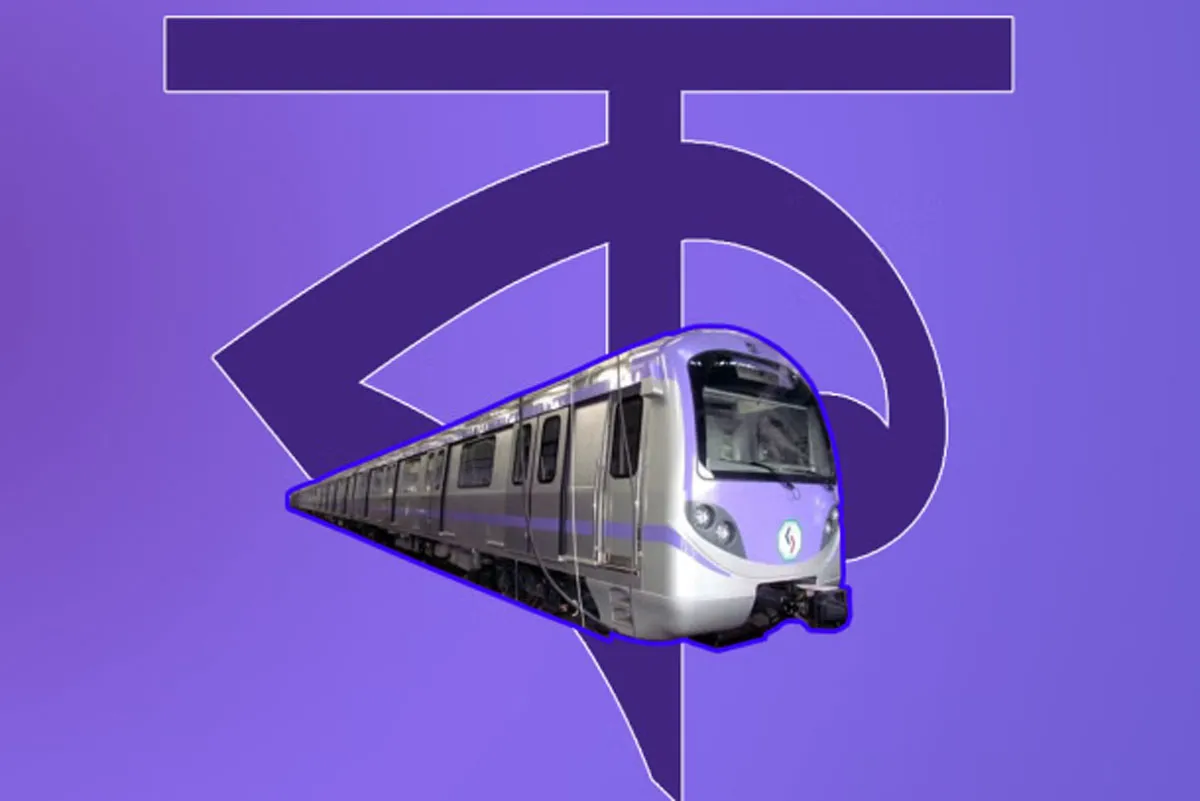
Kolkata Metro has taken a significant step towards modernising its oldest corridor with the introduction of a comprehensive Building Management System (BMS) across all Blue Line stations. The system centralises the control of key station functions including air-conditioning, tunnel ventilation, lifts, escalators, and sump pumps allowing operational oversight from a single control hub and reducing reliance on manual monitoring.
The north-south corridor, India’s first metro line and the fifth in Asia, was constructed using 1970s technology. Over the decades, upgrades have been incremental, aimed at aligning infrastructure with contemporary safety and efficiency standards. The BMS initiative represents the latest effort to integrate digital automation and energy-conscious operations within the legacy network.
Under the new system, stations are organised into clusters of five, each with a designated monitoring point connected to the central control room at Metro Rail Bhavan. From this centralised hub, officials can track and adjust the performance of all electrical and mechanical equipment in real time. Industry experts note that this clustering approach optimises both response time and resource allocation while reducing operational redundancies across the network.
A senior metro official explained that the BMS automatically regulates station temperatures and tunnel ventilation. In instances of rising platform or sub-soil temperatures, fire hazards, or train congestion inside tunnels, the system triggers immediate alerts and adjusts ventilation fans to maintain safety standards. Such automated interventions are expected to improve commuter comfort and operational resilience significantly.Energy efficiency is another focus of the new system. By consolidating monitoring and control, the Metro anticipates reductions in energy consumption across air-conditioning, pumps, and ventilation units. Urban planners highlight that integrating energy-conscious technologies into public transport infrastructure supports broader sustainable city objectives, contributing to lower carbon footprints while enhancing commuter experience.
The introduction of the BMS is part of Kolkata Metro’s ongoing digital transformation strategy, which combines legacy infrastructure with modern technology. By automating routine operational tasks, the system frees staff to concentrate on critical safety and service delivery functions. Analysts suggest that this model could serve as a blueprint for other Indian metro networks seeking to modernise ageing corridors efficiently.With safety, efficiency, and sustainability as guiding principles, the BMS rollout reflects Kolkata Metro’s commitment to creating a more responsive, energy-conscious, and future-ready urban transit network.
Kolkata Metro Launches Smart Building Management System Across Blue Line Stations
Kolkata Metro Launches Smart Building Management System Across Blue Line Stations