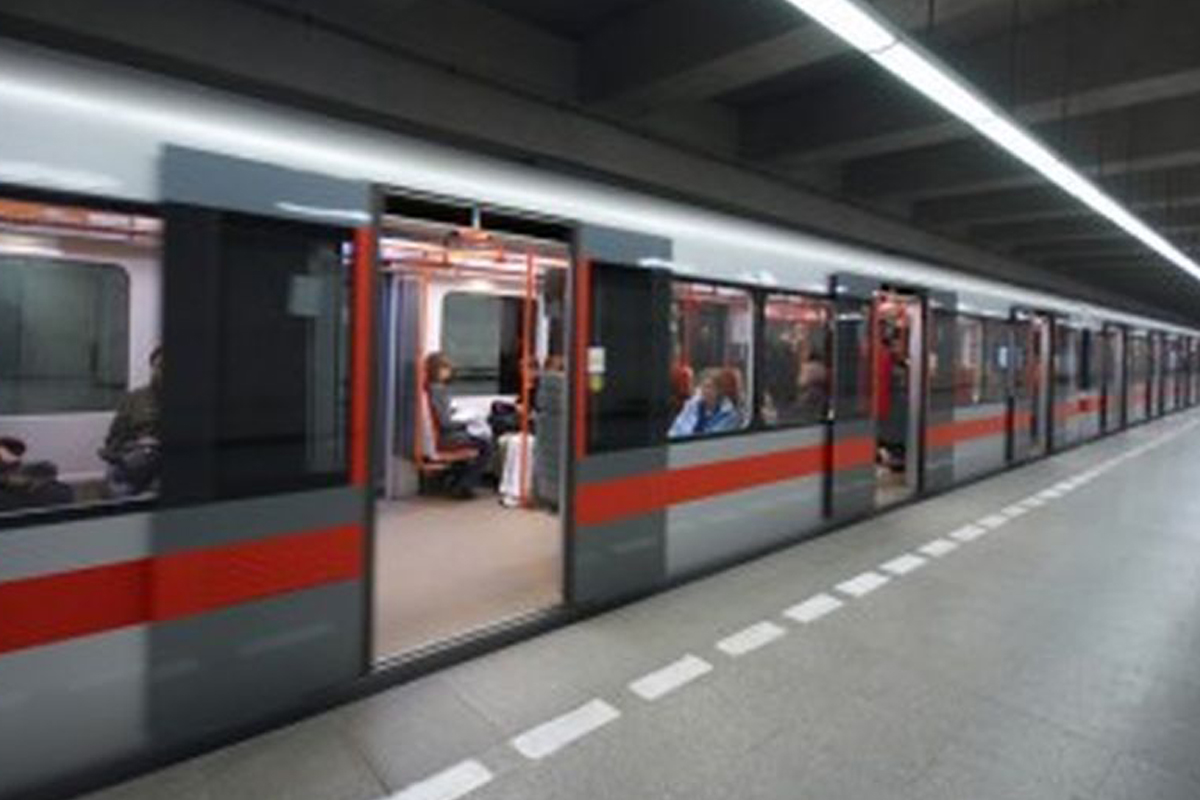
The city’s metro authority has introduced stringent measures against commuters who obstruct automatic doors, signalling a shift towards stricter enforcement of safety and operational efficiency. The directive comes after a recent incident on the Yellow Line disrupted services, inconveniencing hundreds of passengers during peak hours. Officials stated that non-compliance could now attract financial penalties alongside disciplinary measures.
The move aims to ensure smoother metro operations and reduce delays that can ripple across Kolkata’s already congested urban transit network. According to a senior metro official, “Passenger safety and service reliability are our top priorities. Door obstruction not only risks accidents but also affects thousands of daily commuters.” The enforcement underscores the metro’s commitment to a safe, efficient, and predictable urban transport system. Urban mobility experts suggest that incidents like blocked doors often occur due to overcrowding during peak travel times, limited awareness of metro rules, and insufficient commuter discipline. Implementing penalties is expected to incentivise adherence to regulations and promote orderly boarding practices. “Strict enforcement of rules is a necessary step in cultivating a culture of responsible public transport use,” a transport analyst said.
Beyond immediate operational benefits, this policy reflects a broader trend in Indian cities to integrate safety-focused and sustainable practices within public transit. Ensuring uninterrupted metro services reduces dependence on private vehicles, curtails traffic congestion, and contributes to lowering carbon emissions. Urban planners argue that these measures, combined with commuter education campaigns, can enhance the overall sustainability of urban mobility systems.The metro authority has also announced plans to increase on-ground monitoring during peak hours and deploy digital alerts to inform passengers of penalties for non-compliance. Commuters are encouraged to respect designated boarding zones, avoid forcing doors, and follow staff instructions. Such initiatives are aligned with inclusive urban safety, as smooth train operations benefit all sections of society, including elderly and differently-abled passengers.
As cities like Kolkata expand metro networks, balancing operational efficiency with user convenience and safety remains critical. Analysts note that proactive enforcement paired with awareness campaigns can create a sustainable commuter culture, reducing disruptions and enhancing trust in public transport systems. In conclusion, the Kolkata Metro’s new directives signify a careful blend of safety, efficiency, and sustainability, offering lessons for other urban centres seeking to improve public transit reliability while advancing sustainable city objectives.
Kolkata Metro Imposes Fines After Passengers Block Automatic Doors Disrupting Services