Kolkata Metro Expansion And Expressway Projects Unveiled
Bengal’s capital is poised for a major leap in urban mobility as three metro rail services and a new expressway project are set to be unveiled, promising faster travel, stronger connectivity, and a boost to trade and tourism. The metro additions include the Noapara–Jai Hind Bimanbandar corridor linking directly to the city’s international airport, the Sealdah–Esplanade line connecting the heart of the city, and the Beleghata–Hemanta Mukhopadhyay route improving access to the IT hub. Together, these projects represent one of the most significant expansions of metro infrastructure in the city in recent years.
Transport officials confirmed that the airport corridor will be particularly transformative, reducing the travel time for fliers and easing pressure on congested road networks. The Sealdah–Esplanade service is expected to improve east–west connectivity in one of the busiest urban stretches, while the Beleghata–Hemanta Mukhopadhyay section has been planned to address rapid development in Kolkata’s technology and service zones.
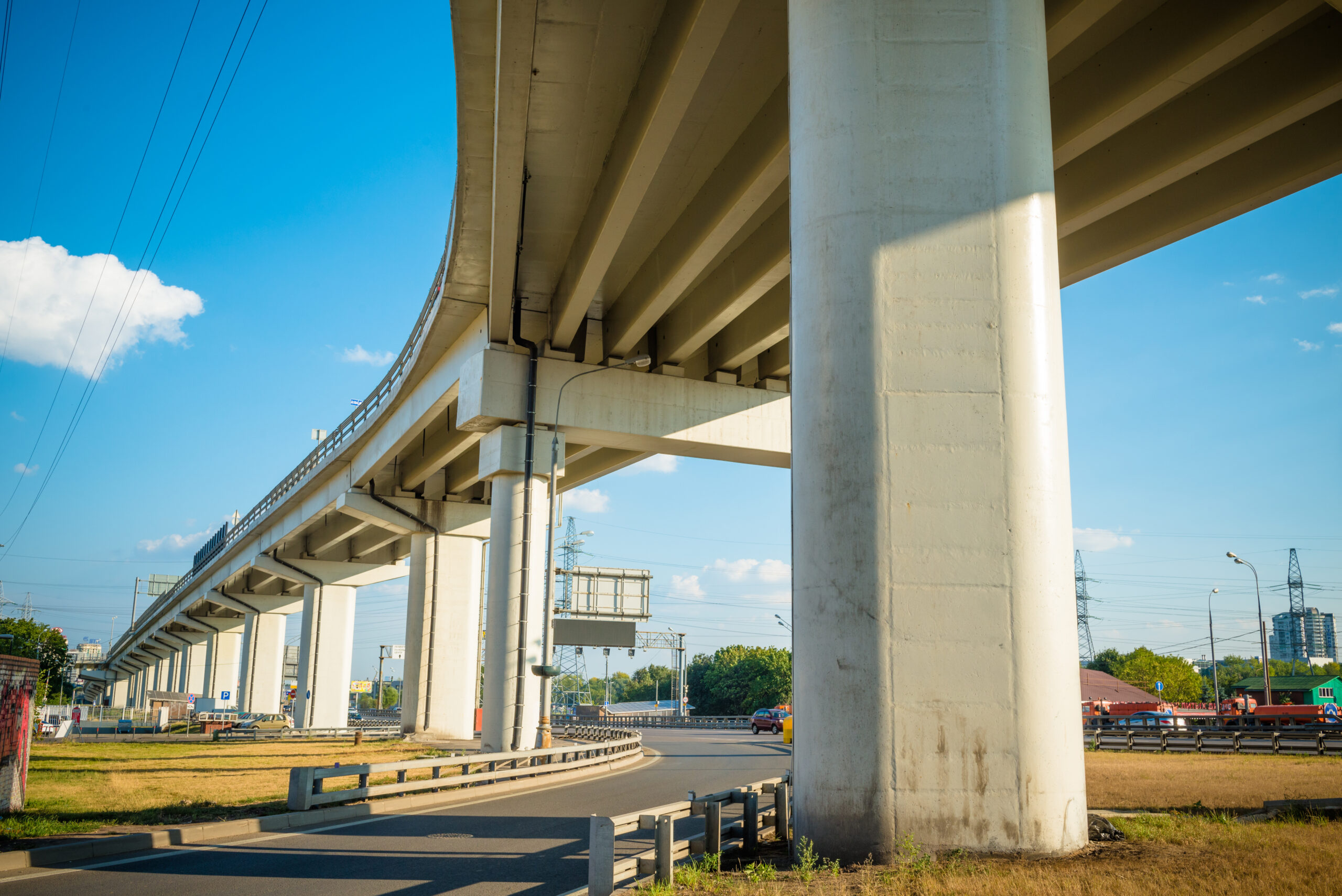
In addition to the metro network, the foundation stone will be laid for the 7.2-kilometre six-lane elevated Kona Expressway. Estimated at over ₹1,200 crore, the expressway is designed to improve freight and passenger connectivity between Howrah and Kolkata, while linking surrounding regions to the commercial hubs of the city. Officials highlighted its role in strengthening trade corridors and reducing travel time for goods movement into the city and towards the port.
Experts in transport planning emphasise that Kolkata’s infrastructure investments are long overdue. With the city recording some of the highest congestion levels in the country, mass transit expansion is not only a matter of convenience but a necessity for sustainable growth. They argue that metro expansion, when paired with bus rapid transit and improved pedestrian access, can significantly lower vehicular dependence and cut carbon emissions. The Kona Expressway project, however, has also raised questions on sustainability. While it promises smoother vehicular flow, urban mobility specialists caution that new highways often encourage more car usage, risking future bottlenecks and higher emissions. They suggest integrating tolling, dedicated freight corridors, and green buffers along the project to align it with climate-resilient urban planning.
For commuters, though, the immediate gain is clear. Daily passengers travelling across the Sealdah, Esplanade, or airport corridors will have faster, more reliable options. Businesses in the IT and service clusters are already anticipating improved access, and trade associations in Howrah expect lower logistics costs once the expressway is operational. Kolkata, with its layered history of trams, ferries, and one of the earliest metro systems in India, is now taking a decisive step to reclaim its role as a model of urban connectivity. Whether these investments can balance mobility with sustainability will determine how the city shapes its growth in the decades to come.