


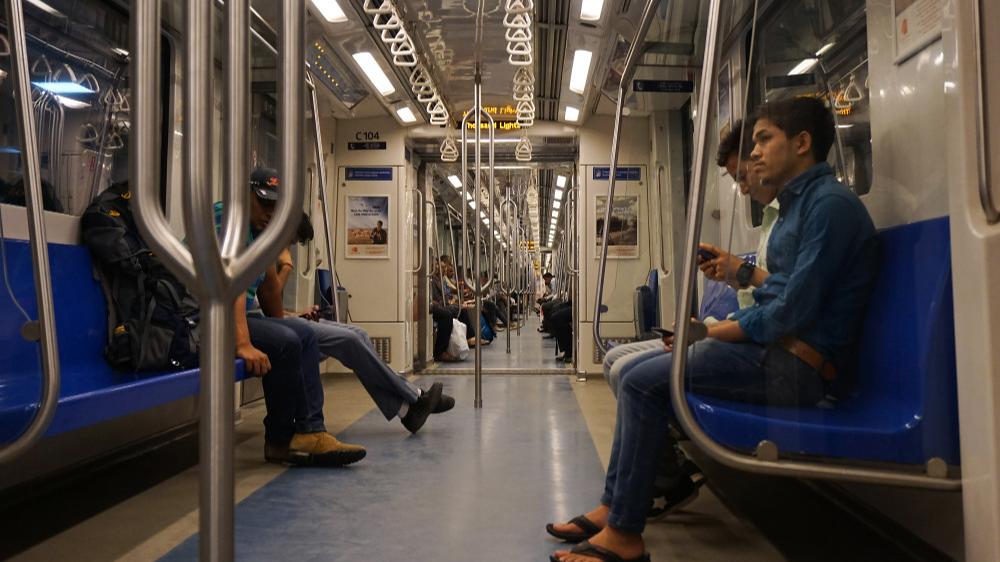
A technical malfunction involving platform safety infrastructure disrupted services on a key metro corridor in Kolkata, raising fresh concerns about system reliability in rapidly expanding urban transit networks.
The incident on the Kolkata Metro Green Line briefly halted operations, highlighting the vulnerabilities that can emerge even in modern, automated rail systems.Officials indicated that the disruption was linked to a fault in platform screen door mechanisms—automated barriers designed to enhance commuter safety by preventing accidental falls and regulating boarding. While such systems are considered essential in high-density metro networks, even minor synchronisation issues between train doors and platform doors can trigger operational stoppages.For a city investing heavily in public transport infrastructure, the Kolkata Metro disruption underscores the delicate balance between technological advancement and system resilience. The Green Line, which connects key commercial and residential zones, is central to easing congestion and reducing dependence on road-based transport. Interruptions, even short-lived, can cascade into delays for thousands of commuters and impact productivity across the urban economy.Urban mobility experts note that platform screen doors, while improving safety, introduce additional layers of technical complexity. These systems rely on precise calibration, regular maintenance and seamless integration with train signalling. Any lapse in monitoring or delayed response to faults can lead to service interruptions, especially during peak hours.The incident also draws attention to the broader question of maintenance culture in public infrastructure. As cities adopt smarter transit systems, the need for predictive maintenance—using sensors and real-time diagnostics—becomes critical. Experts argue that investments in infrastructure must be matched by investments in operational capacity, including skilled personnel and robust maintenance protocols.
Authorities are expected to review system diagnostics and reinforce maintenance checks to prevent recurrence.Strengthening coordination between engineering teams and operations control centres will be crucial in ensuring smoother functioning.From a sustainability standpoint, reliable metro services are key to reducing urban carbon emissions. Frequent disruptions risk pushing commuters back to private vehicles, undermining efforts to promote public transport as a low-carbon alternative. Ensuring consistent service quality is therefore not just a commuter convenience issue but also a climate imperative.There are also implications for real estate and urban development along metro corridors. Transit-oriented development depends heavily on the reliability of public transport systems. Repeated disruptions can affect commuter confidence and influence residential and commercial investment decisions in connected zones.A senior transport planner observed that while occasional technical glitches are inevitable in complex systems, the response framework defines long-term performance. Rapid fault detection, transparent communication and minimal downtime are essential to maintaining public trust.Authorities are expected to review system diagnostics and reinforce maintenance checks to prevent recurrence. Strengthening coordination between engineering teams and operations control centres will be crucial in ensuring smoother functioning.
As Kolkata continues to modernise its transit infrastructure, the focus is likely to shift from expansion alone to operational excellence. The recent Kolkata Metro disruption serves as a reminder that reliability, safety and efficiency must evolve together to support the city’s long-term mobility goals.
Also Read:Kolkata Tribunal Infrastructure Plan Targets New Town
