


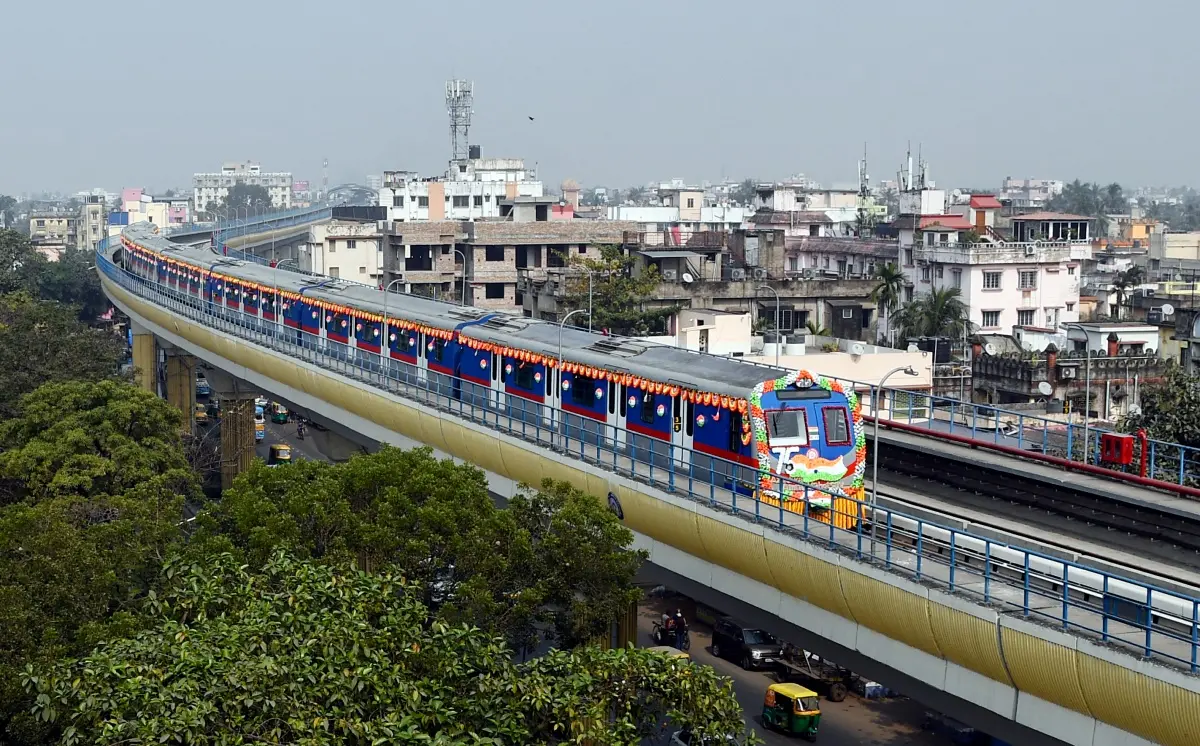
Kolkata’s urban rail network has introduced a new safety communication tool in a bid to reduce suicide attempts on its busiest corridor, the North-South “Blue Line”. The metro authority has begun broadcasting specially designed audio messages discouraging self-harm across station public address systems, reflecting growing concern about commuter wellbeing and operational disruptions tied to recent incidents. This initiative underscores the intersection of mental health, transit safety and resilient urban mobility in one of India’s largest cities.
Over the past four months, the Blue Line has experienced a cluster of incidents in which travellers attempted to jump onto tracks, prompting service stoppages and raising broader questions about commuter safety and system resilience. Data collated from operational reports indicate multiple attempts occurred between November and early February, with most individuals not surviving their fall into the rail corridor. The new audio announcements, produced in partnership with a local FM broadcaster and delivered in Bengali, blend encouraging messaging with details on how to access 24/7 counselling resources displayed throughout station environments. By framing life crises in the context of broader social and familial impacts rather than isolated personal choices, the authority aims to destigmatise help-seeking and prompt earlier intervention. Transit planners and mental health advocates note that elevated stress, economic pressures and urban anonymity contribute to rising distress among urban commuters—a dynamic all too visible in densely populated transport hubs. Generic voices of “counsellors available around the clock” are being amplified not just as deterrents but as communicative bridges to support networks at a moment when Indian cities ramp up rapid transit usage. Experts stress that proactive communication must pair with structural safeguards and comprehensive crisis response frameworks to protect passengers and maintain continuous operations.
For daily commuters, frequent service interruptions caused by such incidents have tangible economic costs, from lost work hours to cascading delays across multimodal networks. There’s also a reputational dimension: passengers’ sense of safety influences modal preferences, which in turn affects long-term urban sustainability goals where public transit plays a central role in reducing emissions and congestion. Transport technologists argue that announcements form only one component of a layered prevention strategy. Globally, many metro systems deploy physical barriers such as platform screen doors, real–time surveillance analytics and trained frontline staff to detect and de-escalate crisis moments before they escalate. In Kolkata, informal debates among frequent riders highlight the absence of platform screen doors on the Blue Line—a contrast with newer corridors that feature such infrastructure.
City officials emphasise that audio messaging is part of ongoing efforts to sensitise staff and passengers alike, and that engagement with civil society groups and mental health partners will deepen in the months ahead. For urban ecosystems that value equitable mobility, such integrated safety communication represents a step toward inclusive, compassionate public transport—while also signalling where further investment in resilience and infrastructure remains necessary.
Also Read: Bengaluru Transit Fares Trigger Civic Flashpoint
Kolkata Metro Deploys Audio Alerts To Support Passenger Safety
