


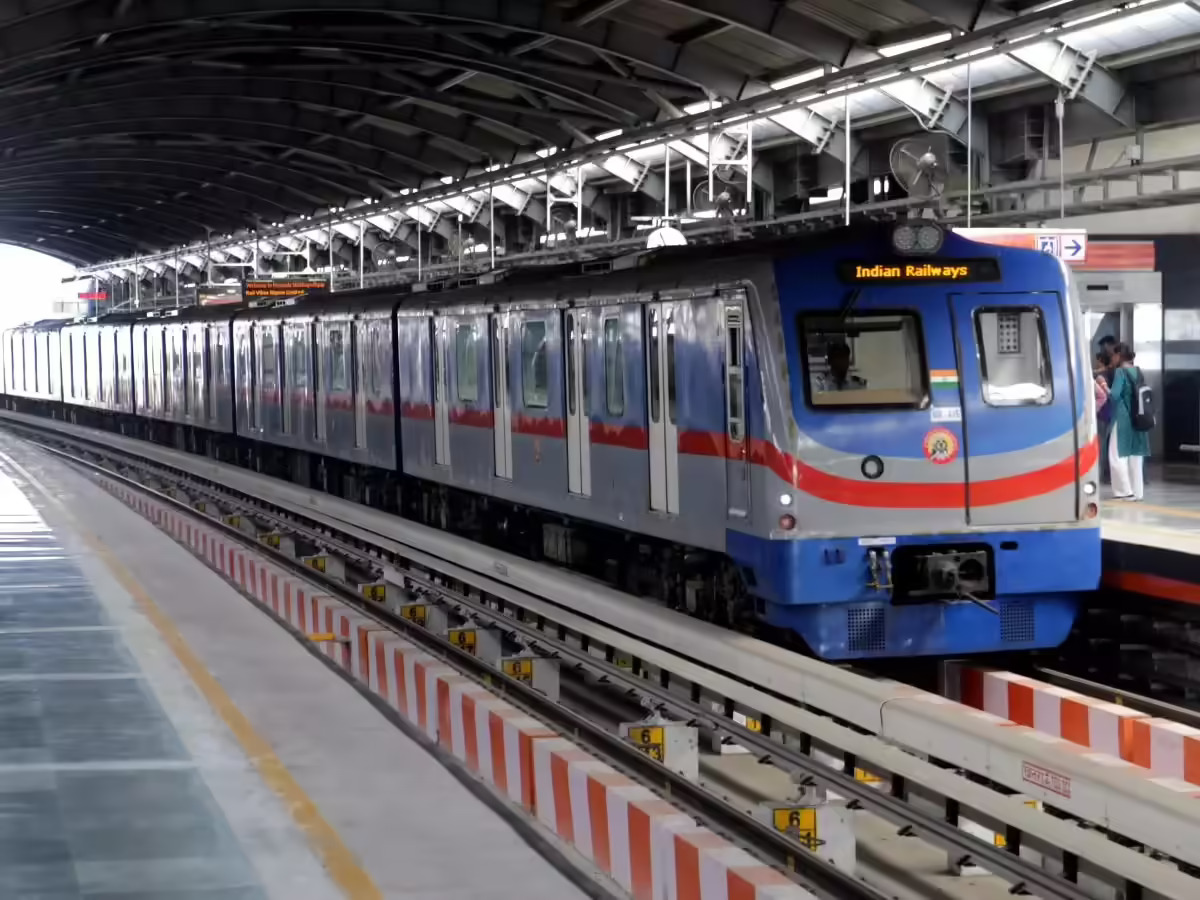
Kolkata Metro has integrated regenerative braking technology across its fleet, marking a pivotal move in reducing carbon emissions and enhancing energy efficiency. This initiative aligns with the city’s broader commitment to fostering eco-friendly, gender-neutral, and equitable urban spaces.
Regenerative braking is an advanced system that allows a train’s electric motors to function as generators during braking. Instead of dissipating kinetic energy as heat, this technology converts it back into electrical energy, which can be reused within the system. Currently, 37 rakes in the Kolkata Metro network are equipped with this technology, contributing to substantial energy savings and emission reductions. During the financial year 2024–25, the implementation of regenerative braking resulted in the regeneration of approximately 1.08 crore units of electricity. This achievement led to energy cost savings of around ₹8.2 crore. Additionally, the system facilitated a reduction of 13,500 tonnes in carbon emissions, underscoring its effectiveness in promoting environmental sustainability.Beyond energy conservation, regenerative braking offers several operational advantages. The system reduces wear and tear on components such as brakes, wheels, and discs, leading to decreased maintenance costs and improved overall system reliability. Furthermore, the technology enhances the comfort of passengers by providing smoother deceleration, contributing to a more pleasant travel experience.
Looking ahead, Kolkata Metro is set to further bolster its sustainability efforts with the installation of a 4-MW Advanced Chemical Cell (ACC) battery storage system, slated to become operational by mid-July 2025. This initiative, the first of its kind in Indian Railways, aims to store excess energy generated during regenerative braking for later use, thereby optimizing energy consumption and supporting the metro’s transition towards a net-zero carbon footprint by 2030. Kolkata Metro’s adoption of regenerative braking aligns with global best practices in urban transit systems. Cities like London, Tokyo, and New York have successfully implemented similar technologies, demonstrating their viability and benefits. By embracing such innovations, Kolkata is positioning itself as a leader in sustainable urban transportation, paving the way for other Indian cities to follow suit.
Kolkata Metro’s integration of regenerative braking technology is a commendable step towards creating a zero-net-carbon, eco-friendly, and equitable urban transport system. By reducing emissions, saving energy costs, and enhancing operational efficiency, the metro is not only improving the quality of urban life but also setting a benchmark for sustainable public transportation in India.
Also Read: Mumbai Metro Line 3 to Introduce Retail at BKC and T2
