Kolkata’s expanding metro network has crossed a technically sensitive threshold as underground tunnelling progressed beneath the city’s historic race course precinct, marking a major step forward for the Purple Line corridor. The breakthrough demonstrates how large-scale urban transport infrastructure can be delivered within dense heritage zones without disrupting iconic public landmarks.
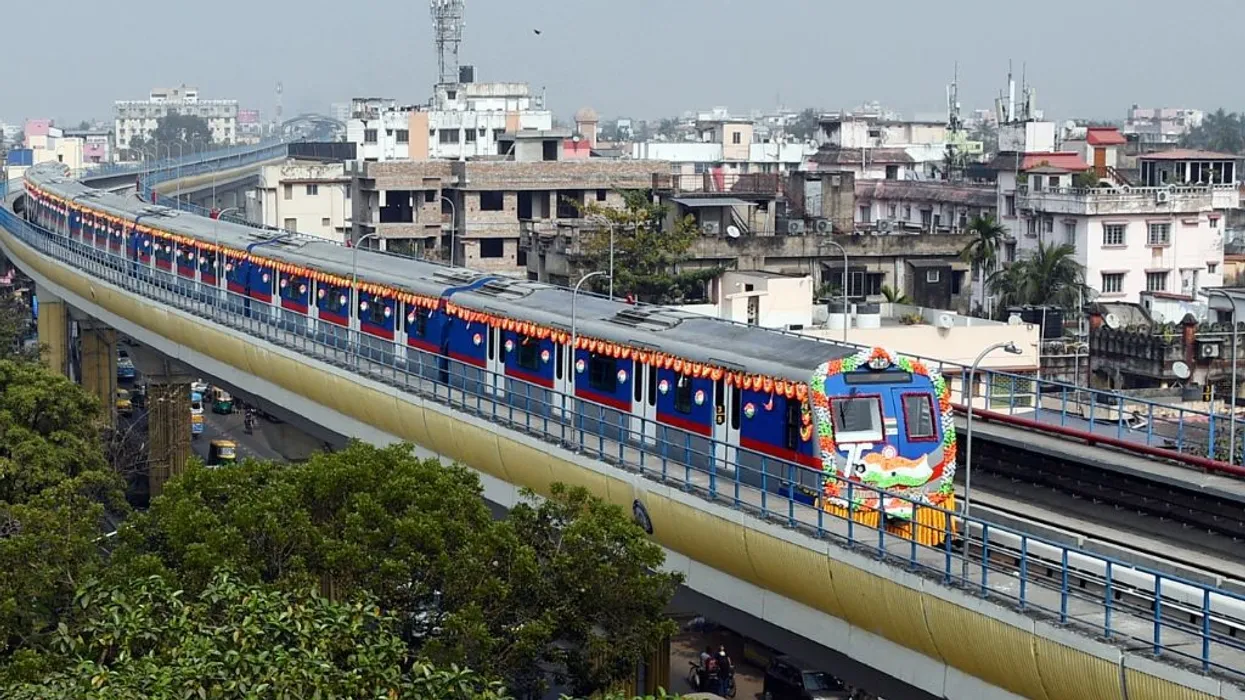
The achievement comes as tunnel boring machines advanced below one of eastern India’s most recognisable open spaces, a site that has shaped Kolkata’s civic and cultural identity for over a century. Urban infrastructure officials overseeing the project said the milestone reflects months of preparatory engineering, risk assessment and real-time monitoring aimed at ensuring structural stability above ground. The Purple Line, planned as a 14-kilometre corridor connecting the southern suburbs with central Kolkata, is being built in phases. While an elevated stretch is already operational in the southern section, the underground segment is widely regarded as the most complex. It passes through areas characterised by heritage buildings, layered utilities and soft soil conditions, making precision tunnelling essential.
To manage these risks, implementing agencies deployed dense arrays of settlement sensors and vibration monitors across the heritage zone. These instruments track minute ground movements, allowing engineers to adjust tunnelling parameters instantly if thresholds are approached. According to metro planners, this approach minimises the possibility of long-term subsidence, an issue that has challenged underground projects in older global cities.
The tunnel boring machines used on the Purple Line are designed for mixed-ground conditions common to Kolkata’s alluvial terrain. Their steady progress under the race course has now opened a clear alignment towards central stations that will significantly cut travel time between southern neighbourhoods and the city’s commercial core. Transport economists point out that such connectivity gains are critical for improving labour mobility and easing pressure on congested road corridors.
Beyond mobility, the project carries broader urban implications. Metro expansion is central to Kolkata’s low-carbon transport strategy, offering a scalable alternative to private vehicles and high-emission surface transport. Each completed underground section strengthens the city’s ability to shift daily commuters toward electric, mass transit systems, supporting climate resilience goals while improving air quality. Heritage conservation specialists have also closely followed the project, viewing it as a test case for infrastructure delivery in historically sensitive environments. Successful tunnelling beneath a protected precinct without visible impact above ground sets a precedent for future projects in cities where development and conservation must coexist.
As construction advances towards central interchange points, attention will turn to station integration, pedestrian access and last-mile connectivity. Urban planners note that the full benefits of the Purple Line will depend not only on engineering success underground, but also on how seamlessly stations connect with surrounding neighbourhoods. With the most delicate tunnelling phase now behind it, the Purple Line is poised to become a defining element of Kolkata’s next mobility chapter one that balances heritage protection, inclusive access and sustainable urban growth.
Kolkata Metro advances beneath historic Race Course