


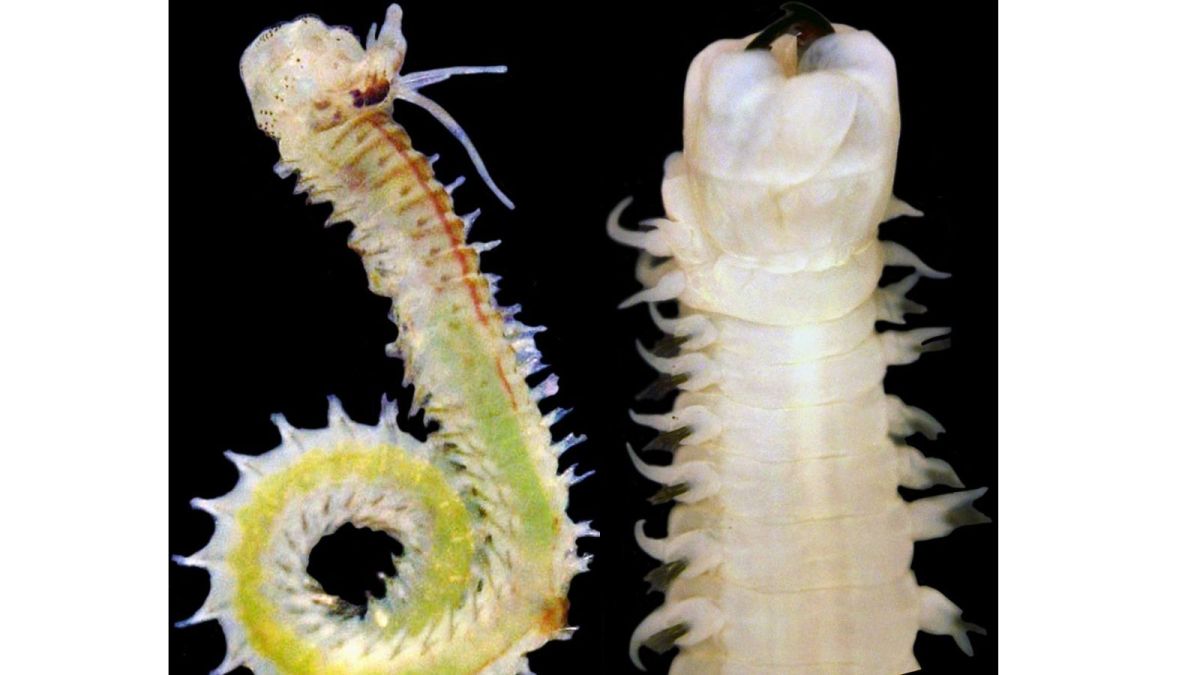
Researchers from Kolkata-based Zoological Survey of India have identified two previously undocumented marine nematode species off the Tamil Nadu coast, marking a significant addition to India’s biodiversity records and underscoring the importance of scientific exploration.
The discovery, now central to discussions on the Kolkata marine species discovery, highlights the role of specialised research institutions in mapping lesser-known ecosystems. Marine nematodes, though microscopic, are critical to ocean health, playing key roles in nutrient cycling and sediment stability within coastal environments.Scientists involved in the study note that such findings contribute to a deeper understanding of marine biodiversity, particularly in regions where ecological data remains limited. The identification of new species often requires detailed morphological and genetic analysis, reflecting advancements in research methodologies and field sampling techniques.The Kolkata marine species discovery also has broader implications for environmental monitoring and conservation. Marine ecosystems along India’s coastline face increasing pressure from industrial activity, pollution, and climate change.Documenting species diversity is a foundational step in assessing ecosystem health and designing effective conservation strategies.Environmental experts emphasise that nematodes, despite their size, serve as bioindicators—organisms that reflect the condition of their environment. Changes in their population or diversity can signal shifts in water quality, sediment composition, and overall ecosystem balance.
As such, the discovery adds valuable data for long-term ecological assessments.From a policy perspective, expanding biodiversity records can inform coastal management frameworks. Accurate species inventories support environmental impact assessments for infrastructure projects such as ports, industrial zones, and coastal development. Integrating scientific findings into planning processes is essential for balancing economic growth with ecological preservation.The research also highlights the interconnected nature of India’s scientific ecosystem. While the discovery was made off the Tamil Nadu coast, the involvement of a Kolkata-based institution underscores the national scope of biodiversity research and the collaborative networks that support it.There is an educational dimension as well.Discoveries of new species can inspire interest in marine sciences and environmental studies, encouraging the next generation of researchers to engage with complex ecological challenges.However, experts caution that many marine species remain undocumented, particularly in understudied habitats. Continued investment in research infrastructure, funding, and interdisciplinary collaboration will be critical to advancing knowledge in this field.As climate change and human activity continue to reshape marine environments, the importance of baseline data cannot be overstated. The latest findings reinforce the need for sustained scientific inquiry as a cornerstone of environmental stewardship.
For Kolkata’s research community, the discovery represents both an achievement and a reminder of the vast, largely unexplored diversity that still exists beneath the ocean’s surface—diversity that holds key insights into the health and future of global ecosystems.
Also Read:Kolkata Thunderstorm Disruption Hits Flights For Third Day
