


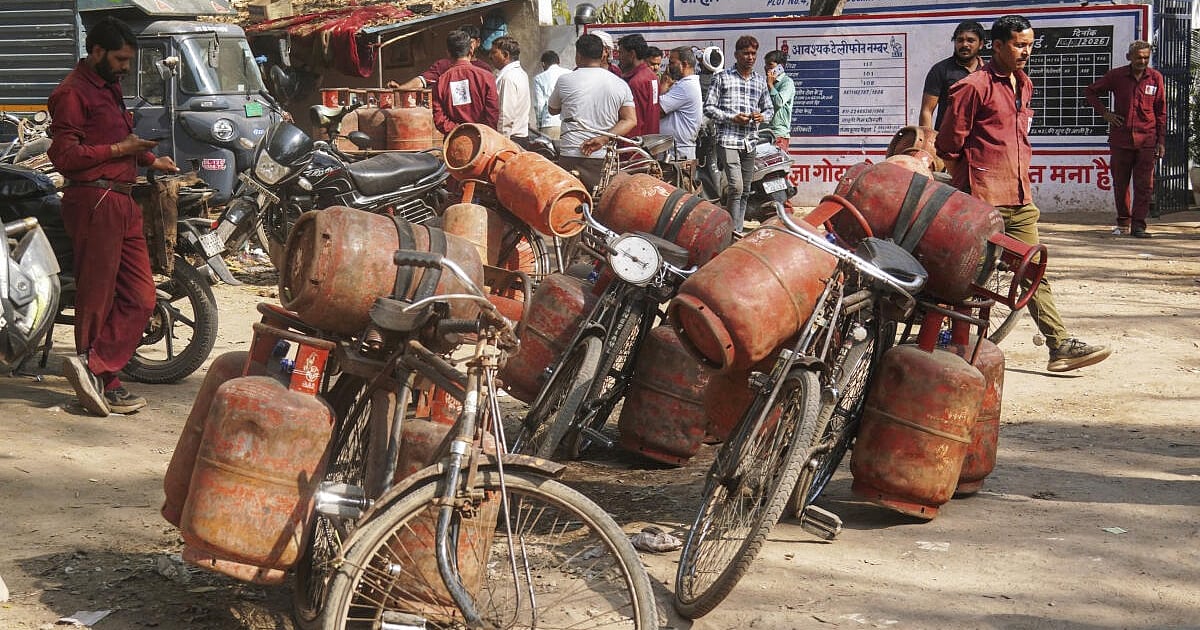
Kolkata authorities are moving to regulate fuel access for auto-rickshaws by capping LPG queue lengths, a step aimed at maintaining uninterrupted last-mile connectivity and preventing further disruption to urban mobility networks.
The new measure limits the number of vehicles allowed in LPG refuelling queues at a time, as officials attempt to balance constrained fuel availability with the operational needs of the city’s para-transit system. The decision follows growing concerns that long refuelling delays were forcing autos off the road, impacting commuters across key routes.For a city heavily reliant on intermediate public transport, the Kolkata LPG queue cap has immediate implications for daily mobility. Auto-rickshaws serve as a critical link between residential areas and major transit nodes, particularly in neighbourhoods underserved by formal public transport systems. Any disruption in their availability can quickly translate into longer commute times and reduced accessibility.Transport officials suggest that the cap is designed to ensure more equitable fuel distribution among operators, preventing bottlenecks at refuelling points. By controlling queue sizes, authorities aim to reduce waiting times and keep a steady flow of vehicles on the road, especially during peak hours.Urban mobility experts view the development as a reflection of deeper structural challenges in energy supply chains and their intersection with city transport systems. Dependence on LPG as a primary fuel for autos makes the sector vulnerable to supply fluctuations, highlighting the need for diversified and more resilient energy strategies.The Kolkata LPG queue cap also brings into focus the broader question of sustainable urban transport.
While LPG is considered a cleaner alternative to conventional fuels, experts argue that long-term solutions should include a transition towards electric mobility and integrated public transport systems. Such shifts could reduce dependence on volatile fuel supplies while aligning with climate and air quality goals.From an economic standpoint, maintaining consistent auto services is essential for supporting workforce mobility and local commerce. Informal and semi-formal transport networks often underpin economic activity in dense urban areas, enabling workers, small businesses, and service providers to operate efficiently.However, stakeholders caution that regulatory interventions must be accompanied by systemic improvements. Expanding fuel distribution infrastructure, improving supply chain coordination, and investing in alternative energy solutions are seen as critical to avoiding recurring disruptions.The policy also underscores the importance of data-driven urban management. Monitoring vehicle flows, fuel demand patterns, and route-level service gaps can help authorities design more responsive interventions that balance supply constraints with commuter needs.As Kolkata navigates the immediate challenge of stabilising its para-transit system, the LPG queue cap represents a short-term corrective measure. Its effectiveness will depend on consistent enforcement and parallel efforts to strengthen the city’s broader transport and energy frameworks.
Looking ahead, the episode serves as a reminder that resilient urban mobility requires not only infrastructure investment but also adaptive governance capable of responding to evolving resource and demand pressures.
Also Read:
