


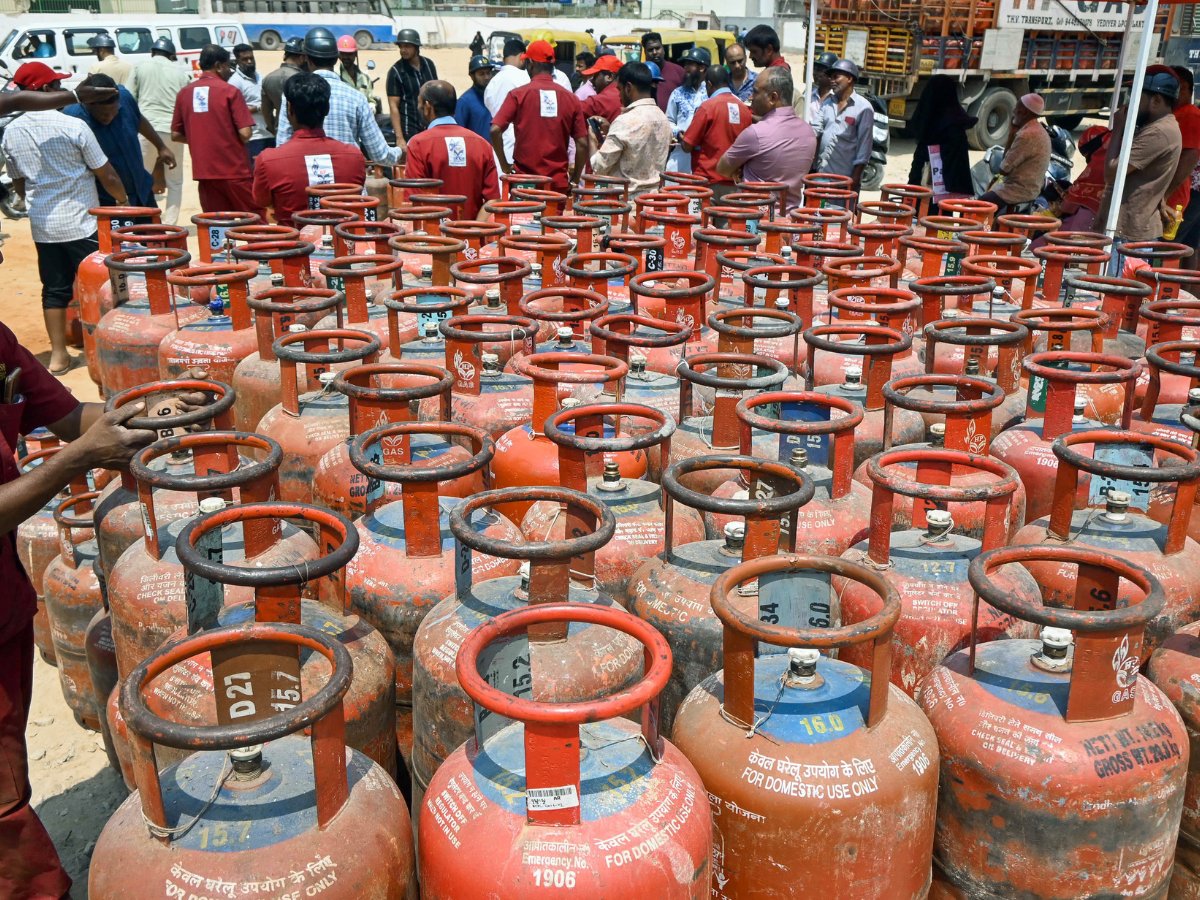
The latest revision in Kolkata LPG prices is reinforcing concerns around rising household expenses and operational costs for small businesses, particularly in dense urban centres where cooking gas remains a primary energy source.
The updated rates for both domestic and commercial cylinders reflect ongoing volatility in global energy markets, with direct implications for city economies.For households, LPG continues to be a critical component of monthly expenditure. Any fluctuation in Kolkata LPG prices can significantly affect budgeting, especially for middle- and lower-income groups already navigating inflationary pressures. Urban economists note that cooking fuel costs are closely tied to overall cost-of-living indices, making them a key indicator of economic stress at the household level.Commercial establishments are equally impacted.Restaurants, street food vendors, and small-scale food businesses rely heavily on LPG for daily operations. An increase in cylinder prices can compress margins, often leading to higher menu prices or reduced portion sizes. This, in turn, affects consumer demand and the viability of informal and micro-enterprises that form a substantial part of Kolkata’s urban economy.The pricing dynamics also highlight the city’s dependence on fossil fuel-based energy systems. Despite policy efforts to promote cleaner and more sustainable alternatives, LPG remains dominant due to its accessibility and relatively lower upfront costs compared to electric or renewable options. Experts suggest that diversifying urban energy sources will be essential to reduce vulnerability to price shocks.
From a policy perspective, Kolkata LPG prices are influenced by a combination of international crude oil trends, currency fluctuations, and domestic subsidy frameworks. While targeted subsidies provide some relief to vulnerable households, gaps in coverage and awareness can limit their effectiveness. Analysts emphasise the need for more inclusive and transparent mechanisms to ensure that support reaches intended beneficiaries.The environmental dimension is also gaining attention. Although LPG is considered cleaner than traditional biomass fuels, it still contributes to carbon emissions. Urban planners argue that long-term strategies should focus on transitioning towards low-carbon energy solutions, including electrification of cooking systems and integration of renewable energy sources within residential and commercial infrastructure.Real estate developers are beginning to respond to these shifts by incorporating energy-efficient designs and alternative cooking solutions in new housing projects.Features such as improved ventilation, induction-ready kitchens, and solar integration are gradually becoming part of urban housing conversations, reflecting a broader move towards sustainability.At the same time, the impact of Kolkata LPG prices extends beyond economics and environment to urban equity. Access to affordable and reliable cooking energy is fundamental to quality of life, particularly in informal settlements and lower-income neighbourhoods. Ensuring equitable access while managing costs remains a critical challenge for policymakers.
As global energy markets continue to fluctuate, Kolkata’s experience underscores the importance of building resilient urban energy systems. Balancing affordability, sustainability, and accessibility will be key to managing the long-term implications of LPG price movements in the city.
Also Read:Kolkata Weather Pattern Highlights Urban Climate Challenges
