


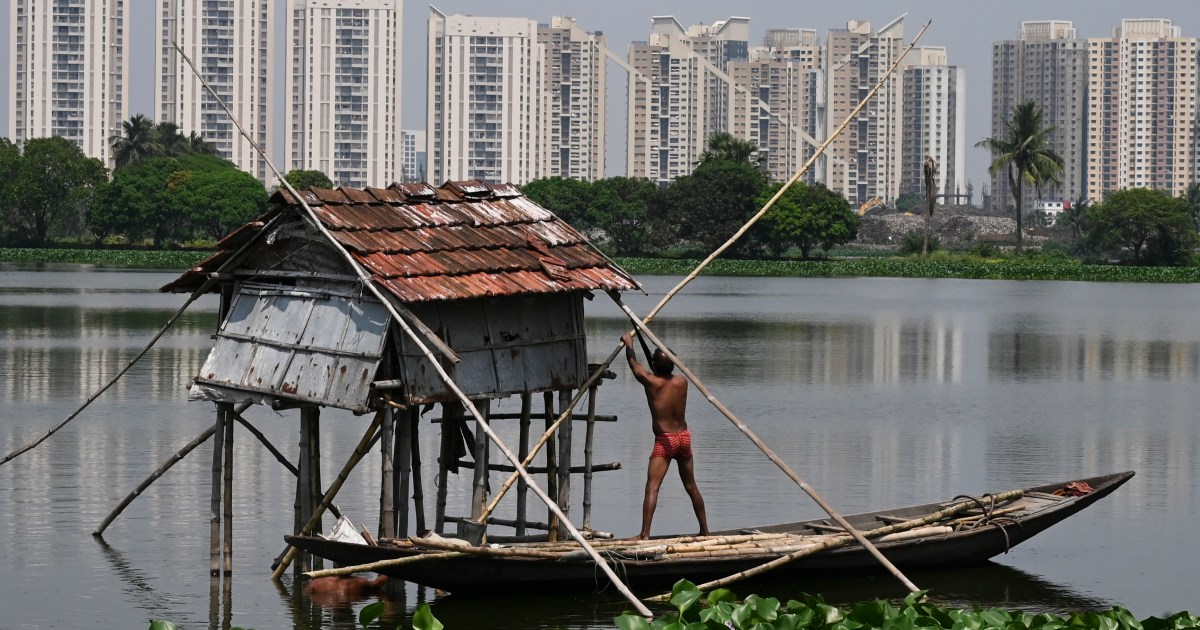
A dispute over the use of a prominent waterbody in Kolkata has brought renewed attention to the governance of shared urban spaces, highlighting the challenges of balancing cultural practices with environmental protection and public access.
The incident, centred around ritual activities at a city lake, escalated into a confrontation between groups, prompting intervention by local authorities. The episode has since sparked debate over how civic bodies regulate the use of ecologically sensitive and publicly accessible areas under evolving urban pressures. The developments form part of a broader conversation around the Kolkata lake dispute, which reflects competing claims over space in densely populated cities.Urban planners note that lakes and waterbodies in metropolitan regions serve multiple roles—acting as ecological buffers, recreational zones, and sites of cultural significance. However, the absence of clearly enforced usage guidelines often leads to friction between stakeholders. In Kolkata, where many waterbodies are embedded within residential neighbourhoods, such conflicts are becoming increasingly visible.Officials familiar with urban governance frameworks indicate that while certain ritual practices are permitted under regulated conditions, lapses in enforcement and coordination can lead to overcrowding, environmental stress, and safety concerns.The recent Kolkata lake dispute underscores the need for clearly defined protocols that accommodate cultural traditions without compromising ecological integrity.
Environmental experts warn that unregulated activity around lakes can accelerate degradation. Issues such as waste disposal, water contamination, and damage to surrounding green cover can have long-term consequences for urban ecosystems. Given Kolkata’s vulnerability to flooding and waterlogging, maintaining the health of its waterbodies is critical for climate resilience.The situation also reflects broader questions of inclusivity and access. Public spaces are expected to serve diverse communities, but competing uses can create exclusionary outcomes if not managed equitably. Ensuring that lakes remain accessible for recreation, while also respecting cultural practices, requires careful planning and stakeholder engagement.From an administrative perspective, the incident highlights gaps in real-time monitoring and conflict resolution mechanisms. Experts suggest that deploying dedicated management frameworks for key public assets—supported by digital tracking, on-ground personnel, and community participation—could help prevent such escalations.There are also implications for urban design. Integrating designated zones for cultural activities, improving signage, and enhancing basic infrastructure such as waste management systems can reduce friction while preserving the multifunctional nature of public spaces.
As Kolkata continues to navigate the complexities of rapid urbanisation, the Kolkata lake dispute serves as a reminder that governance of shared resources must evolve alongside the city’s social and environmental realities. Strengthening institutional capacity and fostering community dialogue will be essential to ensuring that public spaces remain inclusive, sustainable, and resilient.
Also Read:Kolkata Weather Update Brings Temporary Heat Relief
