


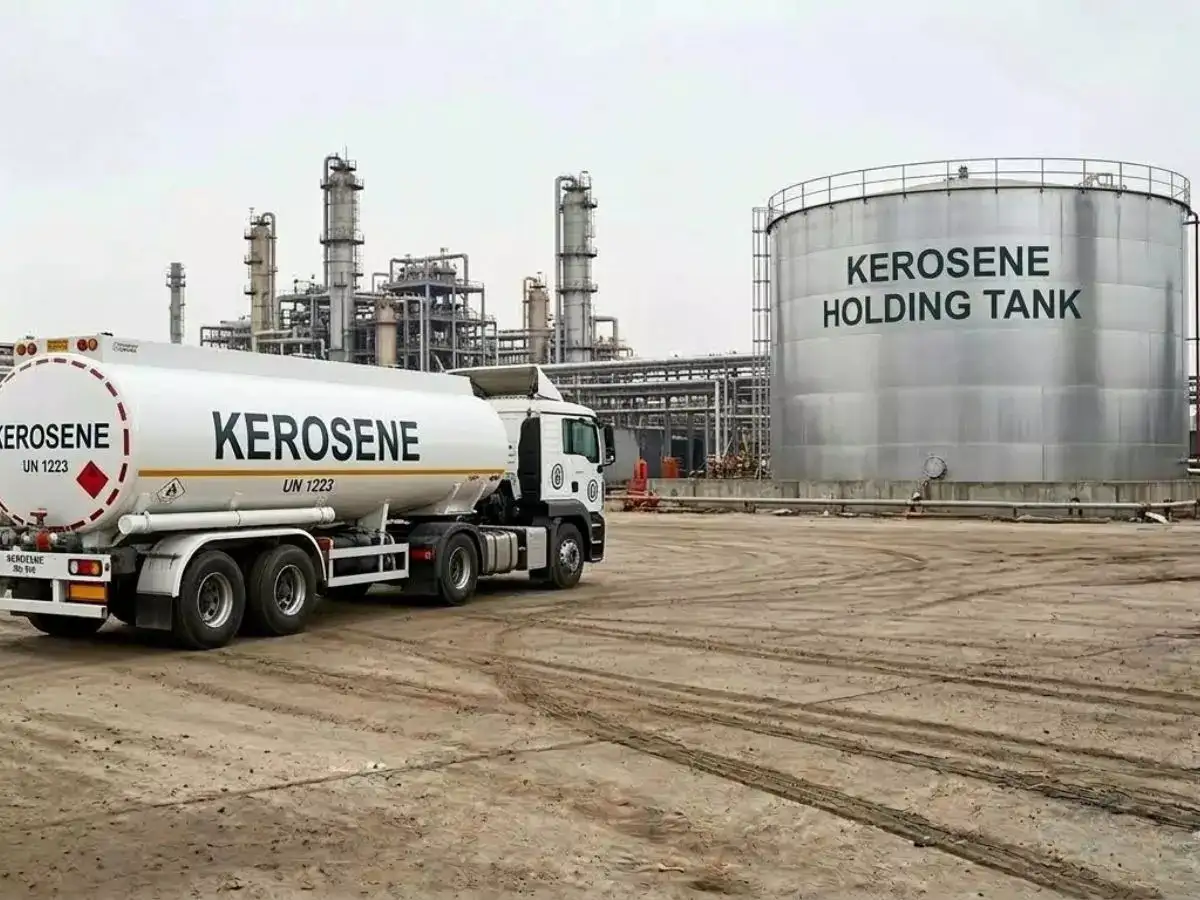
Authorities have expanded kerosene distribution across Kolkata and surrounding districts as households grapple with a continuing shortage of liquefied petroleum gas cylinders.
The emergency measure aims to stabilise access to essential cooking fuel while supply chains for LPG are gradually restored, highlighting the fragile balance between energy demand and distribution networks in densely populated urban regions.The decision to increase Kolkata kerosene supply follows a surge in demand from households that depend on LPG as their primary cooking fuel. With delays in cylinder availability affecting both residential kitchens and small food businesses, officials have moved to temporarily increase the availability of kerosene through the public distribution system.Energy administrators indicate that the additional allocation is intended as a short-term intervention to support families who may otherwise struggle to manage daily cooking needs. Distribution centres in the city and neighbouring districts have reportedly been instructed to ensure adequate supply so that vulnerable households can access an alternative fuel while LPG deliveries stabilise.Urban energy experts say the situation reflects the complexity of fuel supply systems in large metropolitan areas such as Kolkata. Cooking energy in cities typically relies on interconnected logistics chains involving fuel imports, bottling plants, transport networks and retail distribution points. Any disruption within this chain can quickly affect millions of households.The expanded Kolkata kerosene supply also underscores how transitional fuels continue to play a role in urban energy security, particularly for lower-income residents who rely on subsidised fuel distribution programmes.
While kerosene consumption has declined in many cities due to the spread of LPG connections, it remains an important backup option when supply disruptions occur.However, energy analysts point out that reliance on kerosene raises environmental and health considerations. Kerosene combustion produces higher indoor air pollution compared with cleaner fuels such as LPG or electric cooking technologies. As cities pursue cleaner energy pathways, policymakers increasingly face the challenge of balancing immediate energy access with long-term sustainability goals.Urban planners say such disruptions offer a reminder of the need for more resilient urban energy systems. Expanding electric cooking infrastructure, strengthening fuel distribution networks and diversifying household energy options could reduce the vulnerability of cities to supply shocks.At the same time, authorities have been monitoring LPG distribution patterns to identify logistical bottlenecks affecting cylinder availability. Officials indicate that efforts are underway to improve coordination between supply depots, transport operators and local distributors to ensure more stable delivery in the coming weeks.For residents, the temporary expansion of Kolkata kerosene supply provides a critical stopgap as the city navigates a period of fuel scarcity. Yet the episode also highlights a broader urban policy challenge: ensuring that growing metropolitan populations have reliable access to clean, affordable and resilient energy systems capable of supporting everyday life.
As energy demand continues to rise alongside urban expansion, cities like Kolkata may increasingly need diversified cooking energy strategies that combine infrastructure upgrades with sustainable alternatives to traditional fuels.
Also Read:Kolkata Induction Stoves Demand Surges Amid LPG Shortage
