


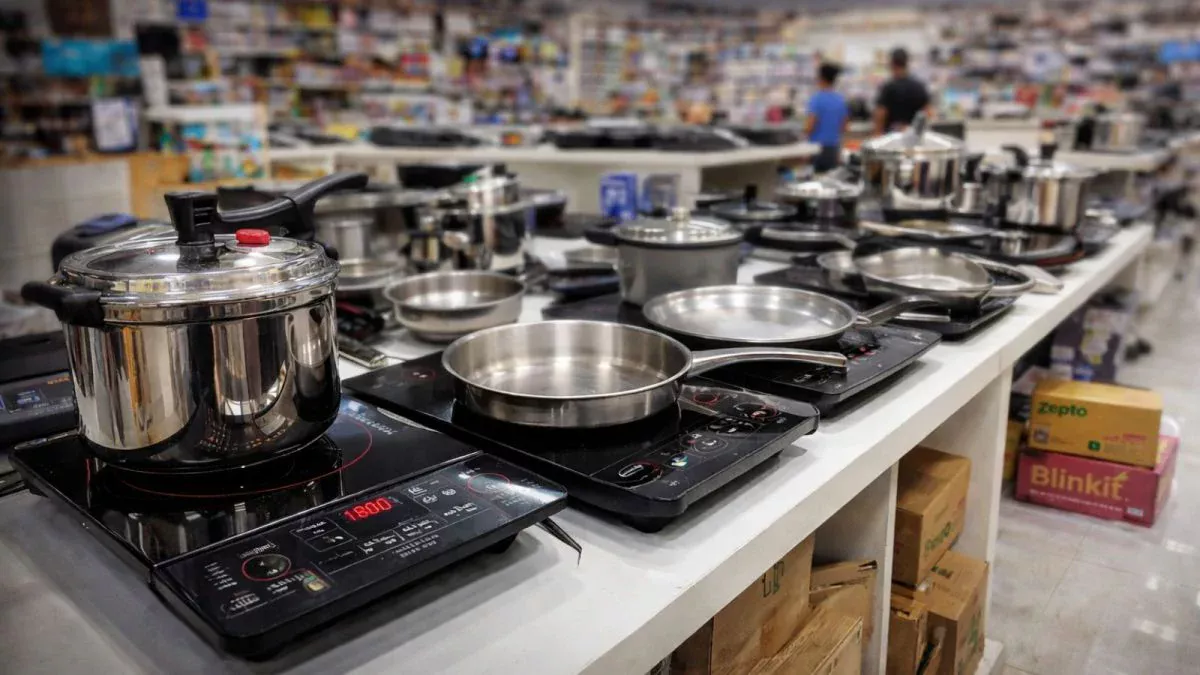
A sudden shortage of liquefied petroleum gas (LPG) cylinders across Kolkata has triggered an unexpected surge in demand for induction cooktops, forcing retailers across the city to report empty shelves and growing waiting lists for the electric appliances.
The shift highlights how urban households and businesses are rapidly adapting their cooking practices amid disruptions in conventional fuel supply.The spike in demand for induction stoves Kolkata comes as many families and small food establishments seek alternatives to maintain daily cooking routines. Retailers in several neighbourhoods report that units which once moved slowly in stores are now selling out within hours of arrival, reflecting a sharp change in consumer behaviour driven by the fuel shortage.Appliance retailers say the demand surge has been particularly visible in densely populated residential areas where households typically rely on LPG as their primary cooking source. In many homes, induction cooktops were previously kept as backup appliances but were rarely used. The current shortage has transformed these devices into essential kitchen equipment almost overnight.Market observers estimate that online sales linked to induction stoves Kolkata have increased dramatically over the past few days, with some platforms experiencing multiple-fold growth in orders. Offline electronics outlets have also reported unusually high footfall, with customers rushing to secure cooktops before new deliveries arrive.Restaurants and small eateries across the city have also begun adopting induction stoves to manage limited gas availability. Kitchen staff in several food establishments say the electric appliances are being used for preparing basic dishes or maintaining limited operations while waiting for LPG supplies to stabilise.
Urban energy analysts say the situation reflects a broader trend in Indian cities where households increasingly maintain multiple cooking technologies to cope with supply disruptions. While LPG remains the dominant fuel in most urban kitchens, electric appliances such as induction cooktops are emerging as practical backup systems when traditional fuels become scarce.The sudden interest in induction stoves Kolkata also raises questions about the evolving role of electricity in urban cooking practices. As cities expand and energy infrastructure improves, electric cooking technologies are gaining attention as potentially cleaner alternatives that reduce indoor air pollution and reliance on fossil fuels.However, experts caution that widespread adoption depends on reliable electricity supply and consumer awareness about energy efficiency. Induction cooking, which uses electromagnetic energy to heat cookware directly, is generally considered more efficient than conventional electric coils, but its practicality varies depending on electricity tariffs and appliance affordability.From an urban infrastructure perspective, the shift toward electric cooking technologies reflects how city residents respond quickly to disruptions in supply chains that support everyday life. Energy access, distribution networks and appliance markets are closely linked components of urban resilience.
For Kolkata, the current rush for induction cooktops may prove temporary if LPG supplies normalise quickly. Yet the episode highlights how alternative technologies can step in during urban service disruptions, offering households and businesses a way to maintain essential daily functions while larger supply systems stabilise.
Also Read:Tamil Nadu Civic Infrastructure Projects Expand Urban Services
