


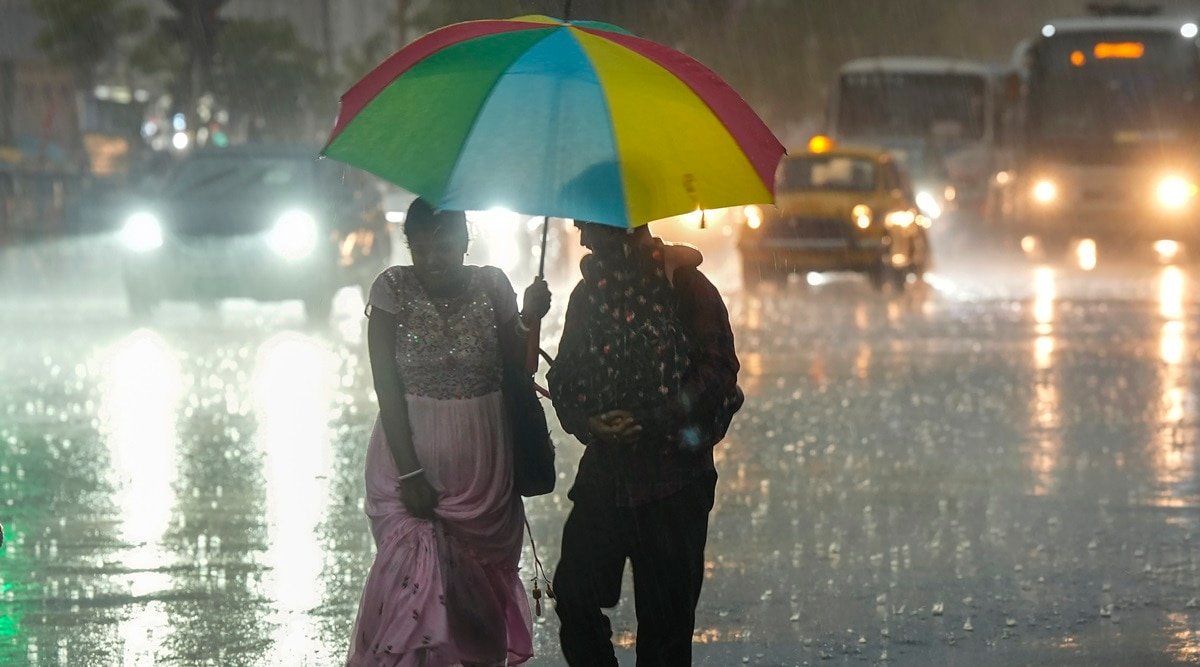
Kolkata is entering a phase of rising heat and humidity following a brief spell of rainfall, with meteorological forecasts indicating a return to uncomfortable weather conditions.
The shift highlights how short-term cooling events are increasingly followed by intense heat cycles, raising concerns around urban climate resilience and public health in densely populated cities.The Kolkata hot humid weather pattern is expected to push daytime temperatures towards the mid-30s Celsius while significantly increasing moisture levels in the air. This combination often results in higher “feels-like” temperatures, intensifying discomfort for residents and placing additional strain on urban systems.Weather experts indicate that such transitions are common during the pre-monsoon period, when intermittent showers are followed by clear skies and strong solar radiation.However, in urban environments like Kolkata, the effects are amplified by built-up surfaces that retain heat and limit natural cooling.From a public health perspective, the Kolkata hot humid weather conditions can elevate risks of dehydration, heat exhaustion and fatigue. High humidity reduces the body’s ability to regulate temperature through perspiration, making even moderate heat more dangerous, particularly for outdoor workers and vulnerable groups.Infrastructure systems are also likely to experience increased pressure. Electricity demand typically rises as households and businesses rely more heavily on cooling appliances. Water consumption also tends to increase, creating additional stress on supply networks, especially in areas with limited distribution efficiency.
Urban planners point out that the Kolkata hot humid weather trend reflects deeper structural challenges in city design.Limited green cover, shrinking water bodies and dense construction patterns contribute to the urban heat island effect, where temperatures remain elevated even during evening hours. These conditions reduce overall livability and increase energy consumption.Economic implications are becoming more visible as well. Heat stress can reduce productivity in sectors such as construction, logistics and street-based commerce. Informal workers, who often operate in outdoor environments, are particularly exposed to these conditions.The weather shift also influences mobility patterns. Commuters may alter travel schedules to avoid peak heat hours, while public transport systems can experience fluctuations in demand. Such behavioural changes highlight the broader impact of climate variability on daily urban life.Environmental experts stress the importance of long-term mitigation strategies.Expanding urban tree cover, restoring wetlands and promoting climate-responsive building materials can help reduce heat absorption and improve microclimates within the city.Governance measures such as early warning systems and public advisories are also critical in managing the impact of extreme weather conditions. Ensuring that residents have access to timely information can help reduce health risks and improve preparedness.As Kolkata continues to experience fluctuating weather patterns, the focus is shifting towards adaptation and resilience. The recurrence of Kolkata hot humid weather cycles underscores the need for integrated urban planning that accounts for climate variability.
Looking ahead, strengthening infrastructure, enhancing green spaces and improving public awareness will be key to managing the challenges posed by rising temperatures. Building a climate-responsive urban framework will be essential to sustaining livability in the face of increasingly unpredictable weather conditions.
Also Read:Kolkata Medicine Price Hike Raises Healthcare Affordability Concerns
