


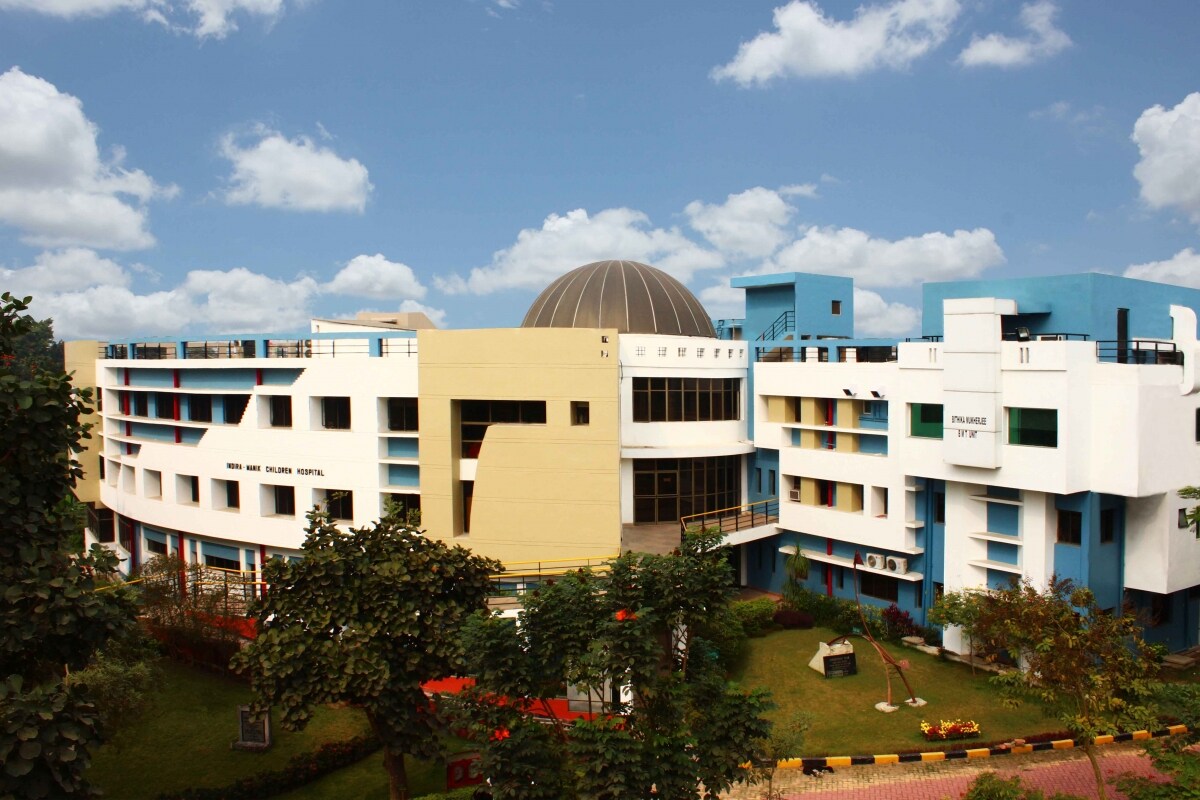
A major tertiary care hospital in Kolkata has inaugurated a multi-disciplinary oncology centre equipped with advanced diagnostics, haematology services and a bone marrow transplant (BMT) facility, marking a deepening of specialised healthcare capacity in Eastern India. Set against a backdrop of rising cancer incidence and significant late-stage diagnoses in the region, this development reflects shifting dynamics in urban health infrastructure and the imperative to broaden access to integrated cancer care.
Cancer has emerged as a leading public health challenge across Eastern states — notably West Bengal, Odisha and Bihar — where registries show a high burden of head, neck, breast and gastrointestinal tumours, often detected at advanced stages that complicate treatment and outcomes. The newly opened centre brings together prevention, screening, medical and surgical oncology, radiation therapy, haematological services and BMT under one operational framework, aiming to streamline pathways from early detection through long-term survivorship support. From an urban development perspective, the expansion of specialised health infrastructure aligns with rapidly urbanising populations and rising expectations for local access to tertiary-level care. Urban planners and public health experts emphasise that integrating advanced healthcare facilities within city ecosystems not only reduces the burden on already stretched metropolitan hospitals but also mitigates the need for patients to undertake inter-city travel for complex treatments. This has direct implications for quality of life and economic strain on families, particularly those with limited means. Health economists suggest that enhanced oncology capacity within a major urban hospital can catalyse broader systemic improvements. “When comprehensive care — spanning screening to curative interventions like bone marrow transplantation — is accessible within the city, it stabilises demand across public and private networks,” notes a healthcare strategy analyst. Such hubs can also encourage retention of skilled specialists and technicians who otherwise migrate to larger metros or overseas, supporting both clinical excellence and local employment.
Importantly, the centre’s launch coincided with the rollout of a community health screening initiative in partnership with municipal authorities. This programme is designed to extend early detection services into under-served urban wards, emphasising screening for breast, cervical and oral cancers alongside non-communicable diseases. Urban health planners see this as critical to reframing cancer from isolated clinical treatment to community-embedded preventive care — a shift necessary for reducing late presentation and high treatment costs. Despite its promise, specialised cancer care often comes with questions around affordability and equitable access. Industry observers point to calls for rationalising indirect healthcare costs, including taxation on high-cost treatments and diagnostics, to prevent financial barriers from undermining service utilisation. Such policy discourse, gaining traction ahead of national budget deliberations, underscores the need for supportive financing frameworks that match infrastructure investments with population needs.
For patients and families across Kolkata and neighbouring states, the operationalisation of this comprehensive care centre represents an incremental improvement in the city’s health ecosystem — one that may reduce out-migration for treatment and foster community confidence in local care pathways. As implementation progresses, monitoring equitable service uptake and outcomes will be key indicators of its broader impact on urban health resilience.
Also Read: Delhi Reviews Yamuna Bridge To Relieve Ring Road
Kolkata Hospital Unveils Advanced Cancer Care Centre
