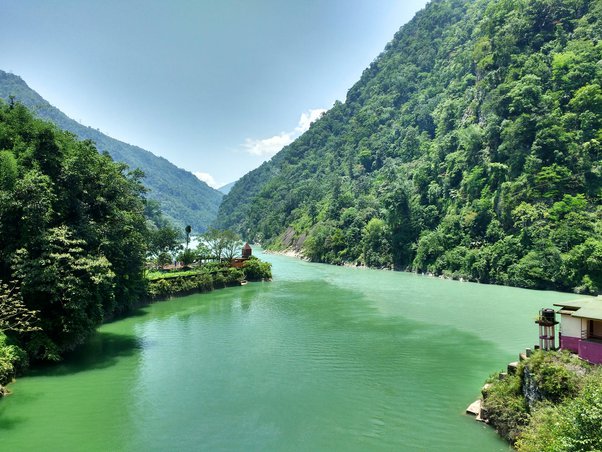
The Hooghly River continues to underpin Kolkata’s water supply, transport links, economic activity and urban identity, making it far more than a geographic boundary between Kolkata and Howrah. Its importance now extends to a larger question for the metropolis: how can a city built around a river protect the water system and riverfront that sustain it?
The Hooghly forms part of the Ganga-Bhagirathi-Hooghly river system and runs along Kolkata’s western edge before moving towards the Bay of Bengal. Kolkata Municipal Corporation identifies the river as the city’s main source of surface drinking water. Water drawn from the Hooghly is treated at the Indira Gandhi Water Treatment Plant at Palta before being distributed across the city.That makes the river directly relevant to everyday urban life. Its condition affects not only ecological health but also the reliability of a basic public service. Kolkata’s 2025-26 district environment plan records the Hooghly as the source of drinking-water supply for the municipal area, while also identifying untreated sewage as an ongoing environmental concern.The river also remains part of the region’s wider transport and logistics network. The Ganga-Bhagirathi-Hooghly system between Haldia and Prayagraj forms National Waterway-1, a 1,620-kilometre inland waterway.
The Inland Waterways Authority of India is working on navigability and supporting infrastructure along the route, including terminals and navigation facilities.For Kolkata, this river connectivity has historically supported port activity, industrial development and movement between communities on both banks. Major crossings, including Howrah Bridge, Vidyasagar Setu, Nivedita Setu and Vivekananda Setu, demonstrate how deeply the waterway is embedded in the metropolitan transport network.Urban planners increasingly view such waterways as infrastructure with several functions rather than simply channels for transport or drainage. A healthy river can support water security, biodiversity, public spaces and climate resilience at the same time. Conversely, pollution, encroachment and poorly managed construction can increase environmental and public-health pressures.
For Kolkata, therefore, the Hooghly River is both an economic asset and a civic responsibility. Protecting its water quality, managing sewage before discharge and planning riverfront development around ecological capacity will determine whether the river continues to serve the expanding metropolis without becoming a casualty of urban growth.