


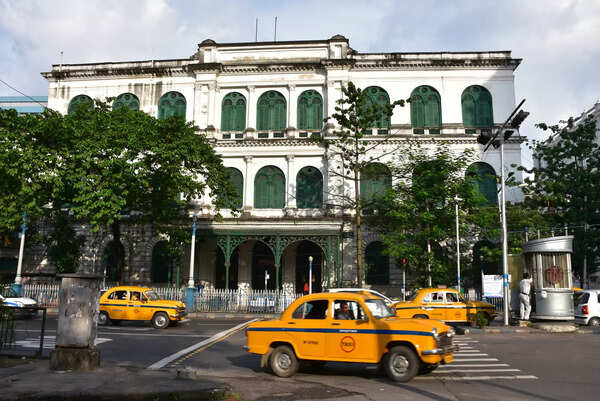
Kolkata is witnessing a renewed focus on heritage-led urban regeneration, with historic structures being repurposed into active cultural spaces.
The transformation of ageing sites into vibrant public destinations highlights how adaptive reuse is emerging as a key strategy in preserving heritage while supporting contemporary urban needs.The Kolkata heritage revival reflects a broader shift in how cities approach conservation. Instead of treating historic buildings as static monuments, stakeholders are increasingly integrating them into everyday urban life. By converting underutilised structures into cultural venues, galleries and community spaces, the city is unlocking both economic and social value from its architectural legacy.Urban planners note that the Kolkata heritage revival offers a sustainable alternative to demolition and redevelopment.Retrofitting existing structures reduces construction waste and lowers the carbon footprint associated with new builds.This approach aligns with climate-resilient development strategies, where preserving embodied energy in older buildings becomes a priority.The economic implications are equally significant. Revitalised heritage spaces tend to attract visitors, supporting tourism and local businesses. Cafés, retail outlets and creative enterprises often emerge around such sites, contributing to neighbourhood-level economic activity. In Kolkata, where cultural identity is closely tied to its built environment, these projects reinforce the city’s appeal as a heritage destination.
From a social perspective, adaptive reuse can enhance public access to historically significant spaces. Opening up previously neglected sites for cultural and community activities helps democratise urban heritage, making it more inclusive and relevant to contemporary audiences. The Kolkata heritage revival is therefore not just about preservation, but about reactivating spaces for public engagement.However, experts caution that such transformations must be carefully managed to maintain architectural integrity. Balancing modern functionality with heritage conservation requires sensitive design interventions and adherence to regulatory frameworks. Poorly executed projects risk compromising historical value in pursuit of commercial viability.Infrastructure and accessibility also play a critical role in the success of these initiatives. Improved connectivity, signage and public amenities are essential to ensure that revitalised spaces are easily accessible to residents and visitors. Integrating these sites into broader urban networks can enhance their impact and sustainability.There are also governance considerations, including coordination between public authorities, private stakeholders and conservation bodies. Effective policy support and funding mechanisms are crucial to scaling up heritage-led development across the city.The Kolkata heritage revival highlights how cities can leverage their past to shape their future. By transforming historic spaces into active cultural hubs, Kolkata is demonstrating the potential of adaptive reuse to drive sustainable urban development.
Looking ahead, the challenge will be to replicate such models across other heritage sites while maintaining authenticity and inclusivity. As urban pressures continue to mount, integrating conservation with innovation will be key to preserving the city’s identity while supporting its growth trajectory.
Also Read:Kolkata Eden Gardens Drives Sports Economy And Urban Growth
