


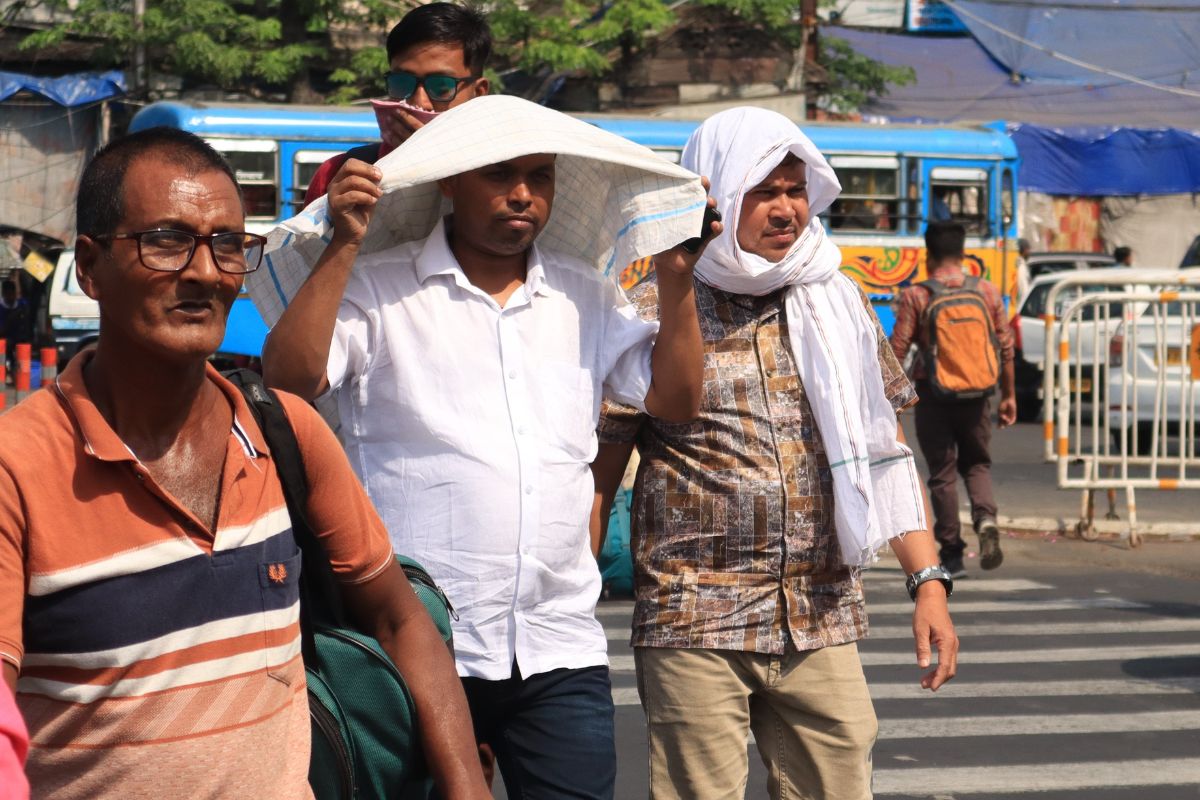
Kolkata is experiencing a sharp rise in temperatures, with daytime readings touching around 36°C, prompting concerns over heat stress in one of India’s most densely populated urban centres.
Weather authorities indicate that relief may arrive in the form of incoming storms, but the current conditions underscore the growing intensity of seasonal extremes and their implications for urban resilience.The ongoing Kolkata heatwave is affecting daily life across the city, particularly for outdoor workers, commuters, and vulnerable populations. High humidity levels, combined with elevated temperatures, are amplifying discomfort and increasing the risk of heat-related illnesses.Public health experts highlight that such conditions place additional strain on healthcare systems, especially in areas with limited access to cooling infrastructure.Urban planners note that the Kolkata heatwave reflects broader climate trends impacting cities across eastern India. Rapid urbanisation, shrinking green cover, and extensive built-up surfaces contribute to the urban heat island effect, where cities retain more heat than surrounding rural areas. This phenomenon not only raises temperatures but also prolongs heat exposure, particularly during evenings and nights.The situation has implications for infrastructure and energy demand. Increased reliance on air conditioning and cooling devices is driving up electricity consumption, placing pressure on power networks.
Experts suggest that without adaptive measures, such spikes in demand could lead to outages or uneven supply, particularly in lower-income neighbourhoods.Authorities are monitoring weather developments closely, with forecasts indicating the possibility of thunderstorms that could temporarily ease conditions.However, urban climate specialists caution that short-term relief does not address the structural challenges posed by recurring heatwaves. Long-term strategies such as expanding urban green spaces, promoting reflective building materials, and improving water management systems are seen as critical to mitigating heat impacts.The Kolkata heatwave also raises questions about urban design and planning. Dense neighbourhoods with limited ventilation and inadequate public spaces can intensify heat exposure, particularly for residents without access to cooling systems. Integrating climate-responsive architecture and ensuring equitable access to shaded, ventilated environments are increasingly being viewed as essential components of inclusive city planning.From an economic perspective, extreme heat can disrupt productivity across sectors, particularly construction, transport, and informal labour markets. Reduced working hours and health-related absenteeism can have cascading effects on urban economies, highlighting the need for adaptive labour practices and heat mitigation policies.
As the city anticipates weather relief in the coming days, the broader challenge remains clear. The recurrence of Kolkata heatwave conditions points to the need for sustained investment in climate-resilient infrastructure and people-centric planning. Addressing these risks will be key to ensuring that Kolkata remains liveable, productive, and prepared for a future marked by increasing climate variability.
Also Read:
